
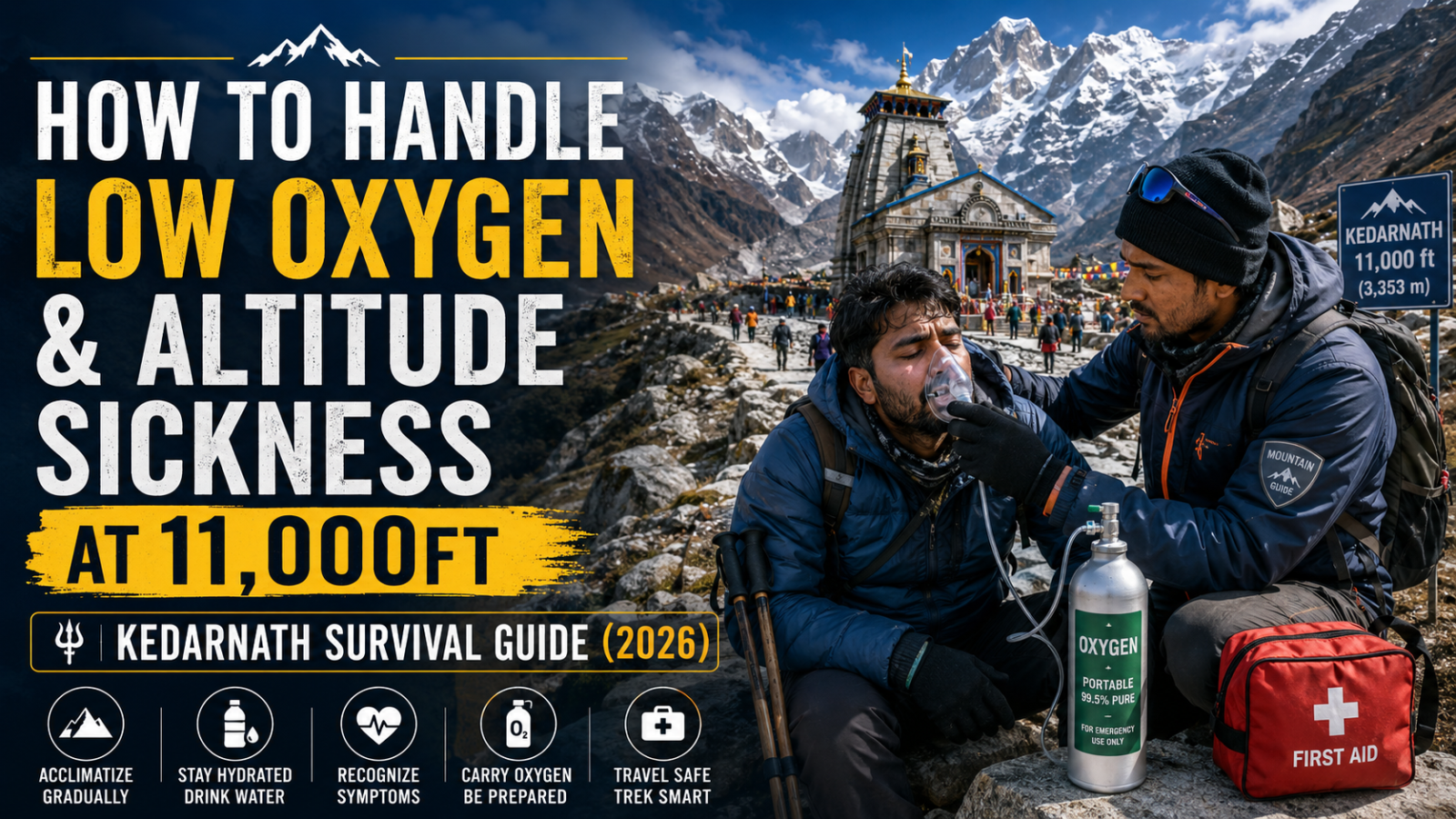
Struggling with breathing at Kedarnath? Learn how to handle low oxygen and Altitude Sickness (AMS) at 11,000ft. Expert tips on using oxygen cans, first aid essentials, and survival hacks for 2026.
KEDARNATH WEATHER1. Understanding Altitude Sickness: Why 11,000ft is a Challenge
Kedarnath is situated at an elevation of 3,583 meters (approx 11,755 feet). At this height, the atmospheric pressure drops, and the number of oxygen molecules in every breath you take is significantly lower than at sea level. For most travelers coming from cities like Delhi or Mumbai, the body doesn’t get enough time to adjust to this change. This leads to Acute Mountain Sickness (AMS).
The symptoms often start subtly: a mild headache, feeling more tired than usual, or slight nausea. Many people mistake this for simple exhaustion from the trek. However, ignoring these signs can lead to more serious conditions like HAPE or HACE. In 2026, with the increasing number of pilgrims, it is vital to understand that “Fitness” doesn’t guarantee immunity from AMS. Even marathon runners can face oxygen drops. This section focuses on the science of thinning air and why your “Will Power” needs the support of “Medical Preparation.”
🏔️ Kedarnath Yatra Checklist 2026: 12 Must-Have Items for a Successful Trek

- ✅Altitude Protection: Prevents breathlessness and headaches caused by low oxygen levels at Kedarnath top.
- ✅Instant Energy: Helps you recover faster during the steep 16km trek from Gauri Kund.
- ✅Lightweight: Fits easily in your side pocket and weighs almost nothing.

- ✅Unbeatable Grip: Anti-skid soles designed specifically for slippery mountain rocks and mud.
- ✅100% Waterproof: Keeps your feet dry during sudden rains or while crossing small streams.
- ✅Ankle Support: Prevents injuries on the uneven zig-zag paths of the Kedar valley.

- ✅Total Coverage: Covers you and your large backpack completely during heavy mountain rains.
- ✅Quick Dry: Much better than heavy raincoats; it's light and dries in minutes.
- ✅Windproof: Blocks the freezing cold winds that follow the rain at high altitudes.

- ✅Heat Retention: Advanced fabric that locks body heat even when the temperature drops to 0°C.
- ✅Odour Resistant: Can be worn for multiple days without feeling unhygienic.
- ✅Slim Fit: Fits comfortably under your regular clothes without looking bulky.

- ✅Cold Protection: Battery dies fast in cold weather; this ensures your phone stays alive for photos.
- ✅Massive Capacity: Charge your phone and camera 4-5 times fully during the trip.
- ✅Fast Charging: Don't waste time at charging points in tea stalls.

- ✅Knee Support: Reduces 25% of the pressure on your knees during the steep descent.
- ✅Better Balance: Essential for crossing slippery patches or walking in narrow trails.
- ✅Anti-Shock: Absorbs ground impact to prevent wrist and shoulder pain.

- ✅12H Hot: Keep hot water/tea ready to fight the freezing cold of the Himalayas.
- ✅BPA Free: Safe and healthy stainless steel that won't rust.
- ✅Strong Body: Survives accidental drops on rocky terrains easily.

- ✅Mountain Ready: Contains pain sprays, bandages, and altitude sickness tablets.
- ✅Lightweight: Small enough to fit in any backpack side pocket.
- ✅Must Have: Medical help is far away on the trek; be your own first responder.

- ✅Hands-Free: Essential for early morning treks (3 AM) so you can use trekking poles freely.
- ✅High Brightness: Powerful beam that covers up to 100 meters clearly.
- ✅Weatherproof: Continues to work even during rain or heavy mist.
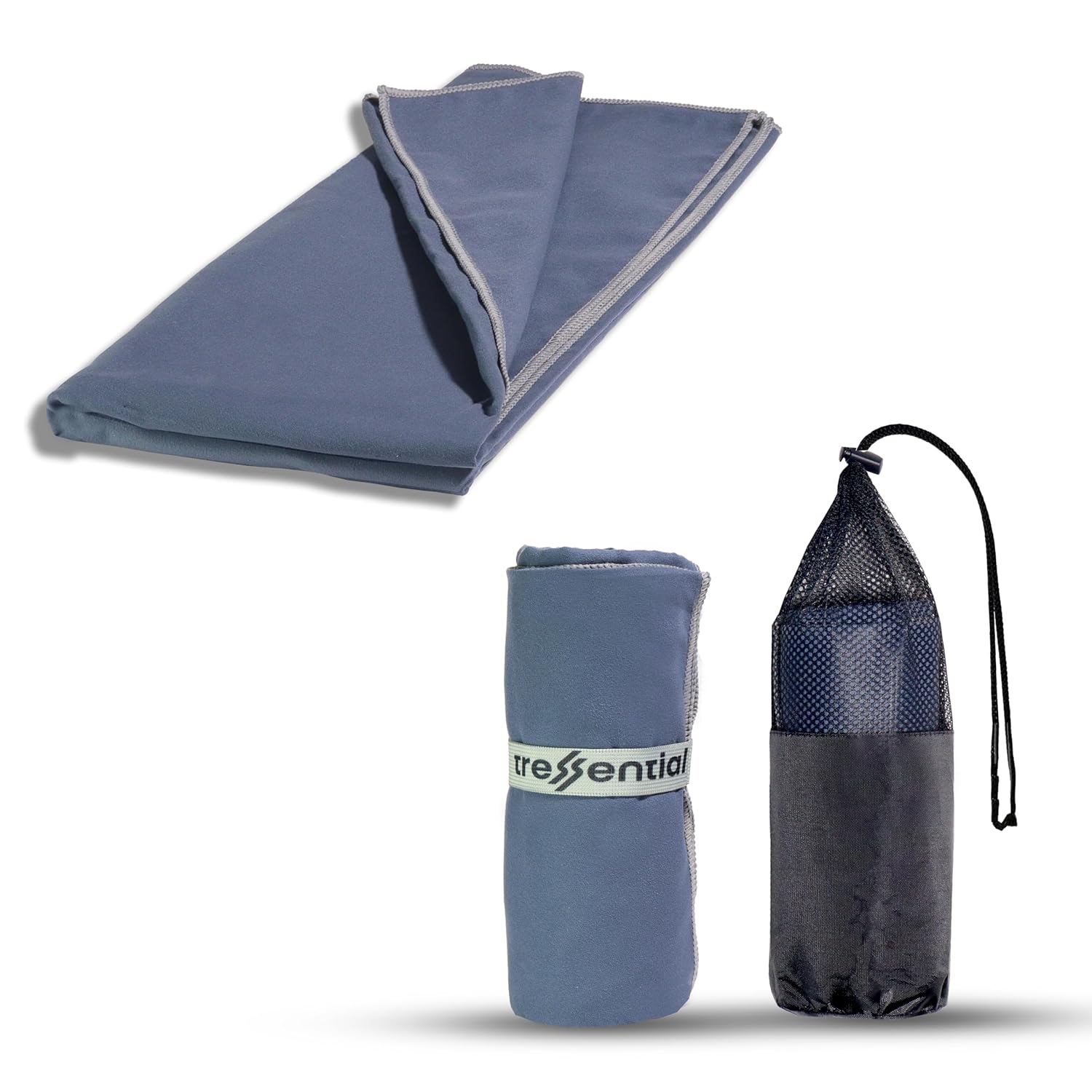
- ✅No Wet Smell: Dries in minutes so you don't carry a heavy, smelly towel in your bag.
- ✅Super Tiny: Folds into a small pouch, leaving more room for warm clothes.
- ✅Gentle: Ultra-soft fabric that is perfect for cold weather skin care.

- ✅High Altitude Protection: Himalayan sun is harsh and causes severe tanning & burns.
- ✅Non-Greasy: Doesn't feel oily while trekking or sweating.
- ✅Sweat Resistant: Stays on your skin even during high-intensity walking.

- ✅Dual Protection: Ponchos are good, but this ensures no water enters your bag.
- ✅Reflective Logo: Helps others see you in heavy mist or night treks.
- ✅Universal Fit: Fits perfectly on all 30L to 60L trekking backpacks.
2. Oxygen Strategy: The Role of Portable Oxygen Cans
When you cross the 7km mark at Bheembali, the air starts getting noticeably thinner. By the time you reach Linchauli (11km), your heart rate will increase as it tries to circulate limited oxygen. This is where a Portable Oxygen Can (6L or 12L) acts as a lifesaver.
In 2026, the Yatra administration has medical posts, but having your own can gives you “Instant Relief” without waiting in line. It’s not just for seniors; youngsters should use it too if their Oximeter reading falls below 80%. Using it correctly is key: take 3-5 short puffs, hold for a second, and exhale. It helps in stabilizing your breath and preventing the “Ghabrahat” (anxiety) that often leads to panic on the steep Z-turns.
Also Read – Book Kedarnath Package
📦 Must-Have Safety Gear: Oxygen & Monitoring
| Item | Purpose | When to Use? |
| Portable Oxygen Can | Instant boost of 99% pure oxygen. | When feeling breathless or dizzy. |
| Pulse Oximeter | Measures oxygen saturation (SpO2). | Check every 2 hours during the trek. |
| First Aid Kit | Contains essential AMS & pain meds. | For headaches, nausea, or injuries. |
| Insta-Energy Glucose | Fast sugar for muscle recovery. | Every 3km to keep energy levels up. |
3. The Essential First Aid Kit for Kedarnath
Your backpack must have a dedicated medical pouch. At high altitudes, small issues like an upset stomach or a small cut can become huge problems because the body heals slower. Your kit should be lightweight but comprehensive.
Expert Highlight: The Survival First Aid Box
- For Altitude: Diamox (Consult a doctor for dosage), Dexamethasone.
- For Pain: Volini Spray/Gel, Brufen or Combiflam for muscle ache.
- For Digestion: Digene, Ondem (for nausea), and ORS packets.
- For Injuries: Band-aids, Betadine, and Crepe Bandage for ankle support.
- Bonus: Camphor (Kapur) in a potli. Smelling camphor is an age-old Himalayan trick to help with breathing.
Pros and Cons: Using AMS Medicines (like Diamox)
- Pros: Very effective in helping the body acclimatize faster; reduces headache and nausea.
- Cons: Can cause frequent urination (dehydration risk) and tingling in fingers/toes. Always consult a doctor before starting.
4. Strategic Pacing: How to Walk to Save Your Lungs
The biggest cause of oxygen drop is “Overtraining” or walking too fast. People often try to race to the top, which is the worst thing you can do at 11,000ft. The mantra for Kedarnath is “Slow and Steady.”
Use the “Rest-Step” technique: Take a step, lock your knee for a micro-second, breathe, and then take the next step. This gives your muscles and lungs a tiny break in every move. Also, avoid long breaks of 30 minutes. Instead, take 2-minute “Micro-breaks” every 200 meters. This keeps your body warm and prevents your heart rate from fluctuating wildly. Expert Review: “I’ve seen people collapse just 1km before the temple because they pushed too hard at Linchauli. Your ego is your enemy at high altitude; your oximeter is your best friend.” — Saurav Pal, DreamTripGuide.
5. Nutrition and Hydration: Fueling for Oxygen
What you eat and drink directly affects how your body processes oxygen. Dehydration thickens the blood, making it harder for oxygen to reach your brain. You should be drinking 4-5 liters of water daily during the yatra.
Avoid heavy, oily foods like Bhatura or heavy Thalis during the climb. Stick to light carbohydrates: Maggi, Toast, or Khichdi.
- Pro-Tip: Garlic (Lehsun) soup is a local Himalayan remedy for AMS as it helps in blood thinning and oxygen absorption.
- DO NOT consume alcohol or smoke during the trek. It reduces the oxygen-carrying capacity of your blood and can be fatal at these heights. In 2026, the checking at Gaurikund has become stricter, so stay clean for your own safety.
6. Critical Dos and Don’ts for Altitude Safety
What to Do (Do’s):
- DO Acclimatize: Spend a night at Guptkashi or Phata before starting the trek.
- DO Sleep with your head elevated: It helps in better breathing at night.
- DO use the Medical Relief Posts: If SpO2 stays below 75% even after rest, head to the nearest MRP.
- DO Carry a Rain Poncho: Getting wet leads to a drop in body temperature, which worsens AMS.
What NOT to Do (Don’ts):
- DON’T Sleep at the first sign of AMS: If you have a severe headache, don’t just “sleep it off.” This can be dangerous. Stay awake and monitor.
- DON’T force your body: If your body says “No,” listen to it. Baba Kedar will call you again.
- DON’T ignore the “Golden Rule”: The best cure for altitude sickness is DESCENDING. If you feel very sick, go down to Bheembali immediately.
7. People Also Ask (PAA) – Oxygen & AMS
- Is oxygen available at Kedarnath Temple? Yes, there are government medical centers, but it’s always better to carry your own portable can.
- Can I take Diamox without a prescription? No. It’s a sulfa-based drug and can have side effects. Consult your doctor first.
- How long does a 6L oxygen can last? It usually gives around 100-150 short puffs.
- Is it safe for kids to trek to 11,000ft? Yes, but they need constant monitoring and a much slower pace than adults.
- What is a normal oxygen level at Kedarnath? In cities, it’s 95-100%. At Kedarnath, 80-85% is considered “Normal,” but below 75% is a warning sign.
- Does smelling camphor really help? It doesn’t increase oxygen levels, but the strong smell opens up the nasal passage, making you feel more relaxed.
- Is tea/coffee good for AMS? In moderation, yes. It acts as a mild stimulant, but too much can cause dehydration.
- What if I get AMS while sleeping? Wake up, use your oxygen can, and sip warm water. If it persists, inform the room attendant or medical post.
- Are there oxygen cylinders available on the trek? Yes, every 2-3km at Medical Relief Posts (MRPs).
- Does DreamTripGuide provide medical insurance? We provide the best safety guides; for insurance, we recommend buying a travel policy that covers “High Altitude Trekking.”
Stay Safe, Stay Blessed!
Don’t let the fear of altitude stop you. With the right gear and knowledge, you can conquer the Kedar trail. For more safety reels and live gear reviews:
👉 Instagram: @dreamtripguide.india
👉 Shop Safety Gear: www.dreamtripguide.com
