Swaying you along with the divinity that lies in the ultimate and the very spiritual Chota Char Dham Yatra in Uttarakhand, the whole journey is truly mesmerizing. For any devotee in the world who is intending to get a huge chunk of peace of mind along with some adventure, participating in this pilgrimage is a life-changing experience. As your Dream Trip Guide, I have curated this long-form manual to ensure your path to the peaks is as smooth as it is sacred.
In order to gain the most optimum experience during the Chota Char Dham Yatra, there is a need for you to have a glance at this ultimate guide towards these heavenly destinations. We have brought up highly remarkable and essential information that you must keep in mind for your 2026 pilgrimage.
Understanding the Chota Char Dham Yatra
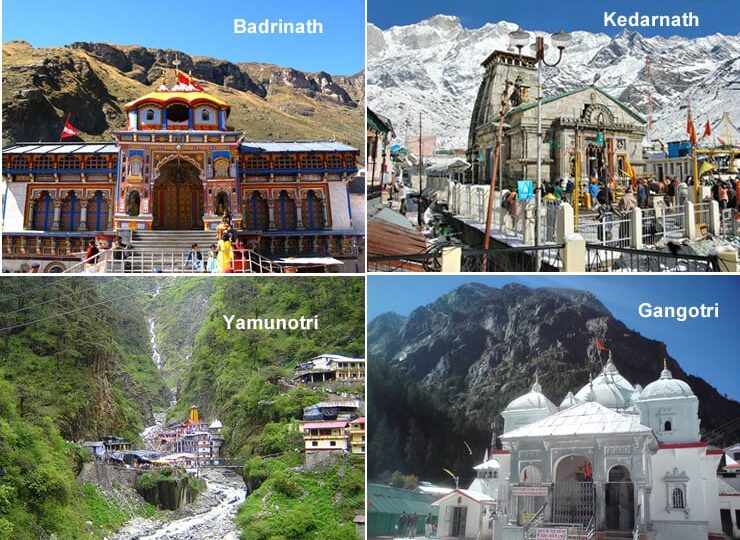
The Chota Char Dham Yatra marks the prevalence of four divine abodes in the Garhwal region of Uttarakhand. It is a fusion of the four most significant pilgrimage hubs: Yamunotri, Gangotri, Kedarnath, and Badrinath.
Chota Char Dham in India
While there are many spiritual circuits, the Chota char dham in India holds a unique place. This Yatra started getting major recognition after the Indo-China War in 1962. Following the conflict, India started investing finance in the development of roads and infrastructure in these border-adjacent regions. Due to these projects, the holy shrines of Uttarakhand started gaining easier accessibility for the common man.
Chota Char Dham and Bada Char Dham
It is important to distinguish between Chota char dham and bada char dham. The Bada Char Dham refers to the four cardinal points of India established by Adi Shankaracharya: Badrinath (North), Rameshwaram (South), Puri (East), and Dwarka (West). On the other hand, the Chota Char Dham Yatra is a smaller, regional circuit located entirely within the state of Uttarakhand. Despite the name, the “Chota” (small) Yatra is often considered more physically demanding due to the high-altitude treks involved.
The Four Abodes: A Spiritual Deep Dive
The sequence of the Chota char dham trip is culturally and traditionally fixed. The journey commences right from Yamunotri, proceeds to Gangotri, followed by the most favored Kedarnath, and finally concludes at Badrinath. This clockwise movement (Parikrama) is believed to be the most auspicious way to complete the circuit.
1. Yamunotri: The Source of Life
Dedicated to the majorly revered Goddess Yamuna, Yamunotri is the first pilgrimage hub in the Chota Char Dham Yatra.
- The Experience: It accompanies the devotees till the Rawai valley, tucked at a picturesque elevation. Lying on the western side of the gigantic Garhwal Himalayas, this spiritual hub is spotted at a height of approximately 3,293m above sea level.
- The Significance: Apart from being a temple, this site is the originating point of the River Yamuna. The pilgrims take a bath in Yamuna’s sanctified water in order to cleanse all the sins associated with them and for avoiding a painful death. The Surya Kund (hot spring) here is famous for cooking rice and potatoes as Prasad.
2. Gangotri: The Descent of Heaven
The holiest river, Ganga, which originates approximately 18 km away at the Gaumukh glacier, is connected with Gangotri.
- The Experience: It is believed that the almighty Maa Ganga resides in the vicinity of this temple. Before entering the shrine, taking a dip in the pristine, icy water of the Bhagirathi river is a mandatory activity.
- The Significance: It is known to swipe off all the negativities that the pilgrims carry from the outside world. As mentioned in various Hindu mythological books, Gangotri is looked upon as the site where the River Ganga landed when it was descending right from heaven onto the locks of Lord Shiva.
3. Kedarnath: The Serene Abode of Shiva
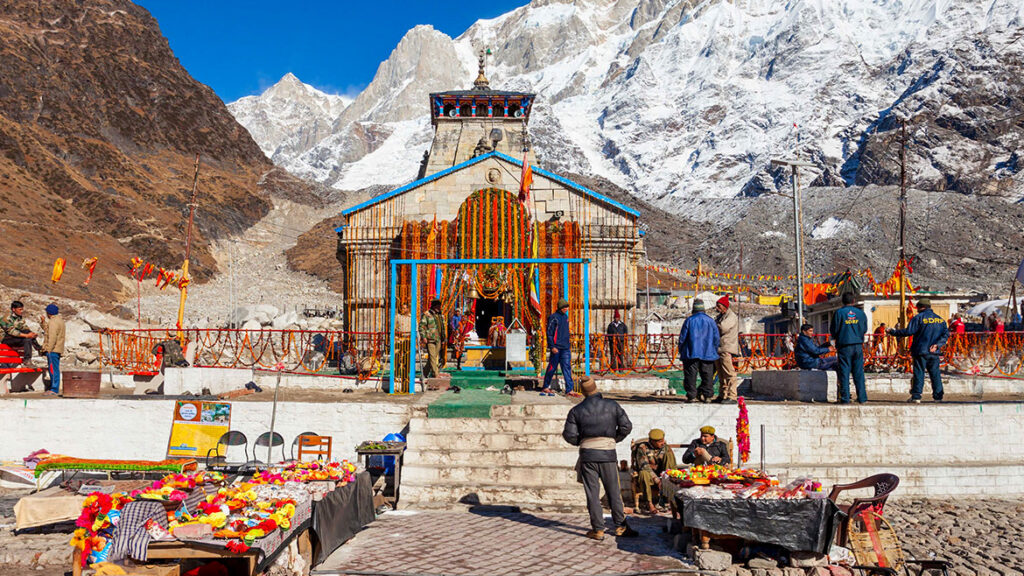
Hailing with the characteristics of being serene as well as beautiful, Kedarnath is considered the most remote Chota char dham location to access.
- The Experience: Situated at the head of the Mandakini River and surrounded by snow-covered mountains, the beauty here is unparalleled. The name Kedarnath was kept after the erstwhile Satya Yuga ruler, King Kedar.
- The Significance: The temple is dedicated to Lord Shiva and was initially built by the Pandavas as an act of penance. It is counted among the 12 Jyotirlingas and is the most sought-after destination for Shiva devotees globally.
4. Badrinath: Where God Meets Beauty
The holy town of Badrinath is associated with Lord Vishnu. If you are intending to get up close and attain the blessings of the “Preserver” of the universe, this is your destination.
- The Experience: It has always been entailed as a destination where God meets beauty due to the ravishing charm of the Alaknanda River cutting through the Himalayan peaks.
- The Significance: The temple’s vibrant colors against the backdrop of the Neelkanth peak make it a sight to behold. It is the only temple that is part of both the Bada Char Dham and the Chota Char Dham Yatra.
Planning Your Logistics: How to Reach
Completing the Chota Char Dham Yatra is not at all an easy task. In this Travel guide blog, we emphasize that preparation is key.
| Destination | Accessibility | Mode of Travel |
| Yamunotri | Trek Required | 6 km trek from Janki Chatti |
| Gangotri | Road Accessible | Directly reachable by car/bus |
| Kedarnath | Long Trek | 16-18 km trek from Gaurikund |
| Badrinath | Road Accessible | Directly reachable by car/bus |
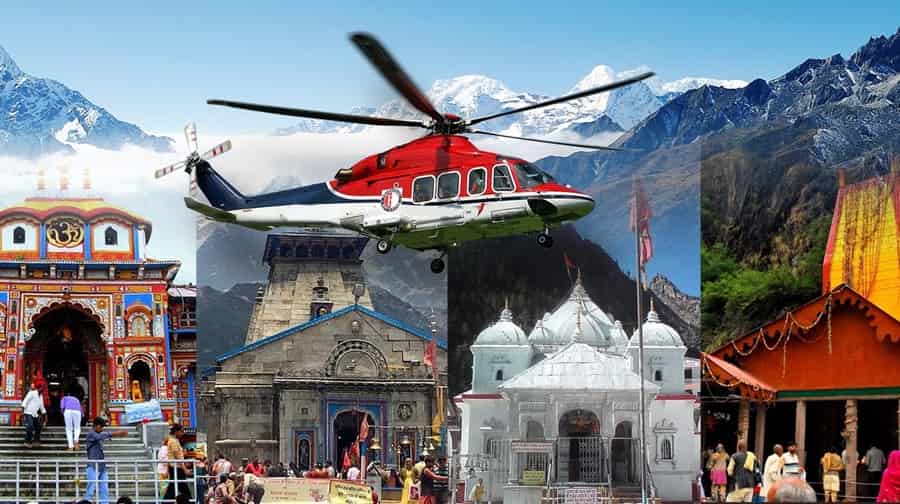
Generally, the exploration of all the temples in the Chota char dham trip is done in about 10-12 days. However, with the advent of helicopter services, a 2-day exploration of all four shrines is now possible for those with time constraints or physical limitations.
Best Time to Visit & Difficulty Level
The Chota Char Dham Yatra is not open for devotees during the whole year. Due to heavy snowfall in the winter, the idols are moved to lower “winter abodes” (like Ukhimath and Joshimath).
- Summer (May to June): This is the Best travel guide recommendation. The weather is pleasant, and all roads are open.
- Monsoon (July to September): Avoid visiting during this tenure. The roads can be dangerous and slippery, and the risk of landslides is high.
- Autumn (October to November): A beautiful time with clear skies and less crowd, though it starts getting very cold.
The Challenges
There can be many elements that make this pilgrimage a strenuous one. The unpredictable weather, steep treks, and atmospheric pressure at high altitudes can drain a person’s energy. The temperature can drop as low as 1 degree Celsius at night even in summer. However, pilgrims who have the utmost passion for this Travel inspiration guide usually find the strength to conclude it successfully.
Travel Tips for the Divine Circuit 🎒🛡️
As your Dream travel guide, I want your journey to be safe. Here are the most essential tips to keep in mind:
- Medical Fitness: Get a full medical examination before you start this 11,000+ ft. high journey. Carry mandatory Altitude Sickness medicines (like Diamox) after consulting your doctor.
- Hydration: Drink a lot of water. Dehydration happens faster at high altitudes and can lead to mountain sickness.
- Clothing: Carrying heavy woolens is quite necessary. The weather during the Chota Char Dham Yatra is notoriously unpredictable—it can go from sunny to snowing in minutes.
- Discipline on the Trek: Move slowly. This is an arduous pilgrimage, not a race. Respect the discipline of the mountains.
- Registration: In 2026, biometric or online registration is mandatory for all pilgrims. Ensure you have your QR codes or slips ready at every Chota char dham location.
Conclusion: A Worthy Pursuit
A visit to the Chota Char Dham Yatra is truly a worth! The abundant beauty, serene environment, picturesque views, and the sounds of the flowing holy rivers create a perfect atmosphere for spiritual growth. Whether you are trekking to Kedarnath or driving to the marble steps of Gangotri, the experience will stay with you forever.
Planning a tour towards the Char Dhams of Uttarakhand? If the answer is yes, then keep all the above-mentioned information in mind. This Best travel guide is your first step toward attaining that elusive peace of mind.
Frequently Asked Questions: Chota Char Dham Yatra 🕉️⛰️
The journey to the four abodes is filled with wonder, but it also brings many practical questions. As your Dream Trip Guide, I’ve compiled the most frequent queries from our Travel guide blog to help you plan the Perfect trip planner for your 2026 spiritual odyssey.
1. 🗺️ What is the difference between Chota Char Dham and Bada Char Dham?
The Chota char dham and bada char dham are often confused. The Bada Char Dham refers to the four major pilgrimage sites across the four corners of India (Badrinath, Dwarka, Puri, and Rameshwaram). The Chota Char Dham Yatra refers specifically to the four holy shrines located within the Garhwal region of Uttarakhand: Yamunotri, Gangotri, Kedarnath, and Badrinath.
2. 📍 In which order should I visit the Chota Char Dham location?
According to Hindu tradition, the Chota char dham trip should be completed in a clockwise direction (Parikrama). The traditional sequence starts from the West and moves East:
- Yamunotri
- Gangotri
- Kedarnath
- Badrinath
3. 🗓️ When is the best time to start the Chota Char Dham Yatra?
The Best travel guide recommendation is to visit during the summer months from May to June or the post-monsoon months of September to October. Avoid the monsoon season (July and August) due to the high risk of landslides and slippery road conditions.
4. 🚶 How difficult are the treks to Kedarnath and Yamunotri?
The difficulty level is considered moderate to strenuous.
- Yamunotri: Requires a 6 km trek from Janki Chatti.
- Kedarnath: Involves a much longer and steeper 16–18 km trek from Gaurikund. If you find trekking difficult, you can opt for ponies, palanquins (doli), or helicopter services, which should be booked well in advance.
5. 🚁 Can I complete the Chota Char Dham Yatra by helicopter?
Yes! While a traditional Chota char dham trip takes 10–12 days by road, you can now complete a “Char Dham by Heli” tour in just 2 to 5 days. This is an excellent option for senior citizens or those with limited time, though it is significantly more expensive.
6. 🏥 Is a medical certificate required for the Yatra in 2026?
While a formal certificate isn’t always mandatory for the entire Chota char dham in India, a health check-up is highly recommended. In 2026, pilgrims over a certain age or those with pre-existing conditions may be required to undergo a medical screening at Rishikesh or Gaurikund before being allowed to trek to high-altitude shrines like Kedarnath.
7. 📱 Will I have mobile network and internet during the trip?
Connectivity has improved significantly. You will find decent network (Jio, Airtel, BSNL) in the main towns and even at the temple sites. However, expect “no signal” zones during the long drives and treks between the shrines. As your Travel inspiration guide, I suggest downloading offline maps and carrying a power bank.