
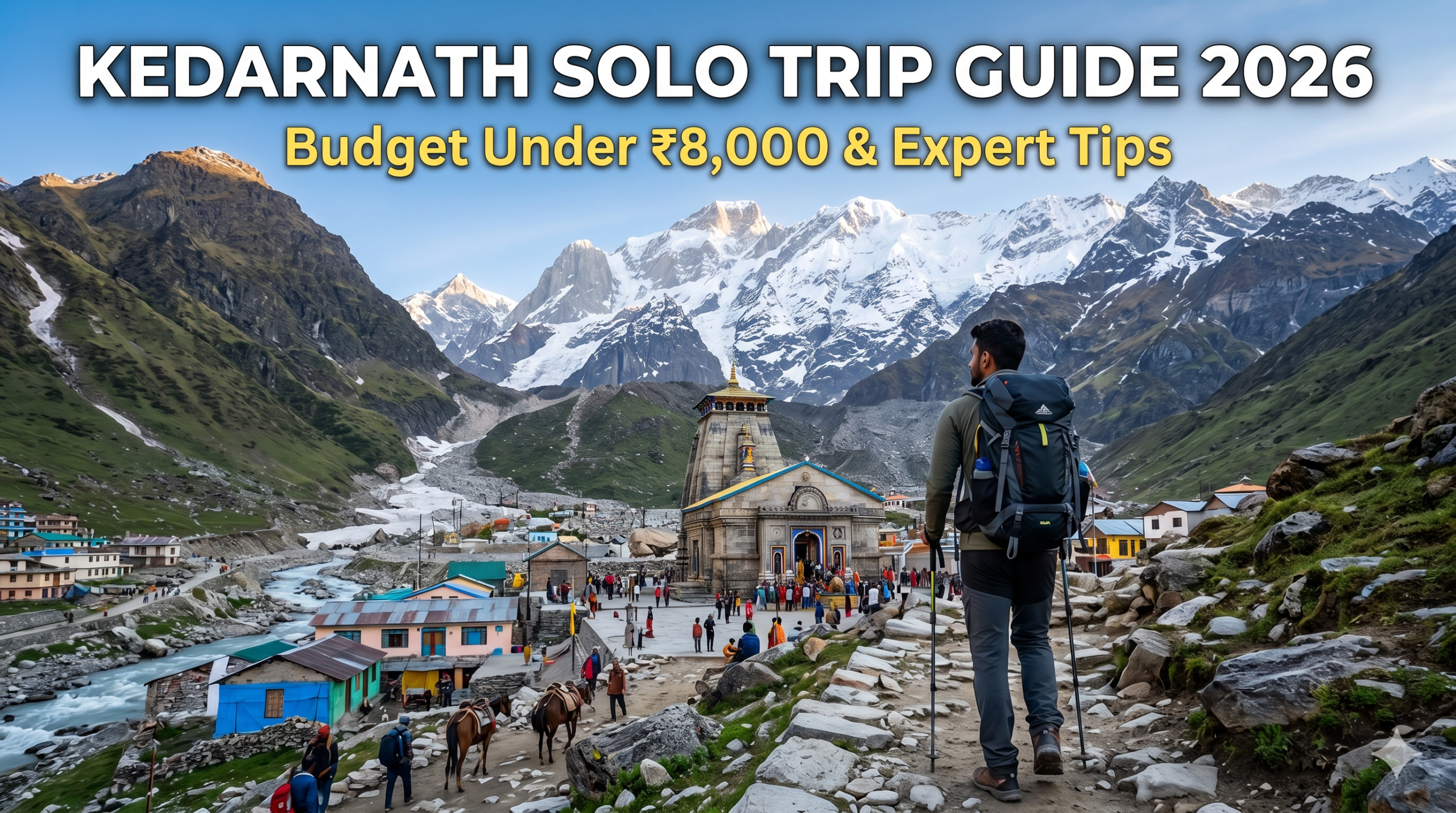
Planning a solo journey to Kedarnath in 2026? Read this 3,000-word expert guide covering realistic budgets under ₹8,000, shared transport hacks, GMVN booking secrets, and essential gear reviews with Pros & Cons.
Planning Your 2026 Kedarnath Yatra: Why Solo Travelers Need a Strategy
A solo pilgrimage to Kedarnath in 2026 is no longer just about physical stamina; it’s about digital and logistical precision. With the Char Dham Yatra 2026 registration being strictly monitored via QR codes, a solo traveler must be their own manager. Traveling alone to an altitude of 11,755 feet means you cannot split the costs of private rooms or taxis, making a pre-planned budget of ₹8,000 essential.
The 2026 season has introduced “Smart Check-ins” at Sonprayag. As a solo traveler, your first priority is securing your Yatra e-pass at least 15 days in advance. Physical fitness is your second priority; the 16km trek from Gaurikund to the temple is a vertical ascent that tests your heart rate and lung capacity. This guide is designed to help you navigate these challenges while maintaining the spiritual essence of the journey. We focus on “Slow Travel”—minimizing costs by using government resources and maximizing safety by following established SDRF protocols.
Transportation Hacks: How to Reach Sonprayag from Rishikesh Under ₹1,000
Transport is the biggest budget-killer for solo travelers. A private taxi from Rishikesh can cost up to ₹7,000. To keep your budget under ₹8,000, you must utilize the GMOU (Garhwal Mandal Vikas Nigam) and Himgiri bus networks. These buses depart from the Rishikesh Natraj Chowk and ISBT as early as 4:00 AM. A ticket to Sonprayag will cost you between ₹450 and ₹600.
If you miss the bus, look for Shared Maxx Jeeps. They charge per seat (usually ₹700-₹900). Never negotiate for a full vehicle; wait for it to fill up with other pilgrims. Once you reach Sonprayag, you must use the official government shuttle to Gaurikund, which costs a fixed ₹50. By choosing these shared modes, you save nearly ₹5,000, which is enough to cover your entire accommodation and food for the trip.
👉 Also Read – Book Kedarnath Package
High-Grip Trekking Shoes: Avoiding Injuries on Slippery Terrain
The 16km trek from Gaurikund is notorious for its steep stone stairs and “Mule Slush” (a mix of mud and mule dung). Regular sneakers or gym shoes lack the “Lugs” (grip) required to prevent slips. You need high-ankle trekking shoes that are waterproof to handle the unpredictable Himalayan rain.
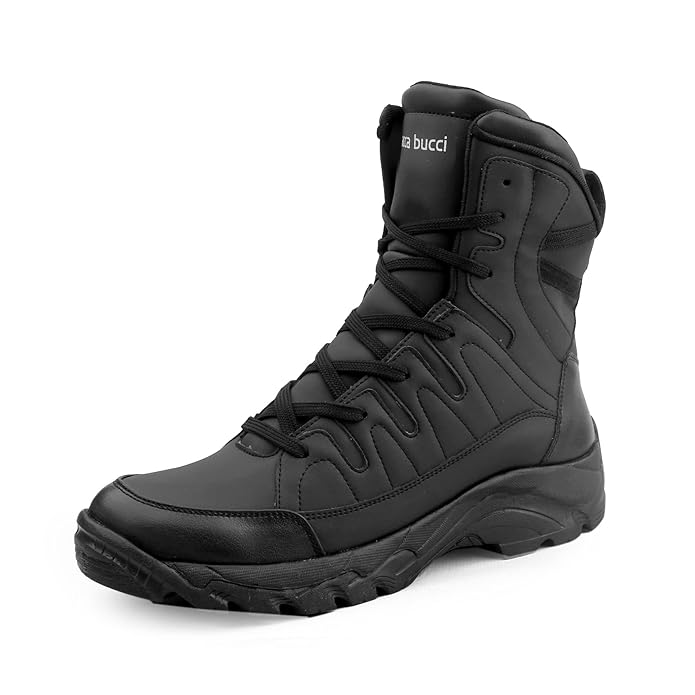
Bacca Bucci Men’s Seam-Sealed Waterproof Lace-Up Boots
Engineered for the grueling 16km ascent to Kedarnath, these ankle-high boots feature a seam-sealed waterproof exterior and a flexible, breathable upper. Designed to provide maximum warmth and traction, they ensure your feet remain dry and stable on the most challenging Himalayan terrains.
Expert Tip: Always wear “Anti-Blister” hiking socks to prevent skin friction during the 10-hour climb.
Weather-Proofing: Choosing the Right Rain Poncho for High Altitudes
Weather in the Kedar Valley is erratic. In 2026, climate shifts have made sudden afternoon downpours more frequent. For a solo traveler, getting wet means a high risk of hypothermia. A ₹50 plastic raincoat will tear within 30 minutes of trekking. You need a Silicon-Coated Heavy-Duty Poncho.

Versatile 3-in-1 Tactical Rain Poncho & Camping Tarp
Stay dry during unpredictable Himalayan downpours with this professional PU 2000MM coated poncho. Engineered for versatility, it doubles as a camping tarp or ground sheet. Weighing only 360g and featuring an adjustable drawstring hood, it offers maximum coverage without the bulk of traditional raincoats.
Accommodation Strategy: Booking GMVN Dorms and Ashrams
In 2026, private hotel prices near the temple plaza have reached ₹5,000-₹8,000 per night. For a solo traveler, this is impossible. The secret is the GMVN (Garhwal Mandal Vikas Nigam) online portal. You can book a bed in a dormitory or a pre-pitched tent for ₹600-₹1,000.
If GMVN is full, look for Ashrams behind the temple. They offer “Bhandara” (free food) and floor bedding (Matta) for a nominal donation of ₹300-₹500. Another strategic move is staying at Lincholi (4km before the temple). It is cheaper, has better oxygen levels than the base camp, and ensures you can reach the temple for the early morning 4:00 AM Darshan.
Reliable Power: Power Banks for Cold Weather Survival
At 11,000+ feet, temperatures often drop below freezing. Lithium batteries in smartphones drain significantly faster in the cold. Since your Yatra QR code, digital payments, and maps are on your phone, a high-capacity power bank is a mandatory safety item.

33W Fast Charging 20,000mAh Portable Power Station
Essential for solo trekking where power outlets are rare. This massive 20,000mAh capacity supports 33W Two-Way Fast Charging via Type-C and features 12-layer circuit protection. It’s built to retain 80% capacity even after 300 cycles, ensuring your devices stay powered in the sub-zero Himalayan cold.
Nutrition and Hydration: The ₹500 Daily Food Plan
Food costs escalate as you climb. A bottle of water at the temple plaza costs ₹80. To save money, carry a Stainless Steel Insulated Bottle and refill it at the “Filtered Water Taps” provided by the government every 2km. This will save you ₹1,000 over 4 days.
For meals, stick to the Standard Thali (Dal, Chawal, Sabzi, Roti). It is the most calorie-dense and hygienic option for ₹250. Avoid “Cafe” food like Pizza or Pasta as they are hard to digest at high altitudes. Carrying high-calorie energy bars and roasted Makhana will keep your blood sugar stable during the 16km vertical climb.
FAQs (Frequently Asked Questions)
What is the total 4-day budget for Kedarnath solo?
Approximately ₹7,500 – ₹8,000 including all basics.
Is it safe for solo female travelers?
Yes, the SDRF and police presence is very high in 2026.
Does Google Pay/PhonePe work in Kedarnath?
It’s unreliable due to network; always carry ₹5,000 cash.
Which month is best for a budget solo trip?
September-October (Post-monsoon, lower prices).
How long is the Kedarnath trek?
It is 16km from Gaurikund, taking 6-10 hours.
Do I need an oxygen cylinder?
Not mandatory, but carry “Oxygen Cans” if you have breathing issues.
What is the best time to start the trek?
3:30 AM is ideal to reach before the evening Aarti.
Can I stay in Kedarnath without booking?
It’s risky in 2026; you might have to sleep in the open hall.
Which mobile network is best?
Jio and BSNL have the strongest signals at the top.
How much is the Pony charge in 2026?
One-way charges start from ₹3,000 depending on your weight.
