
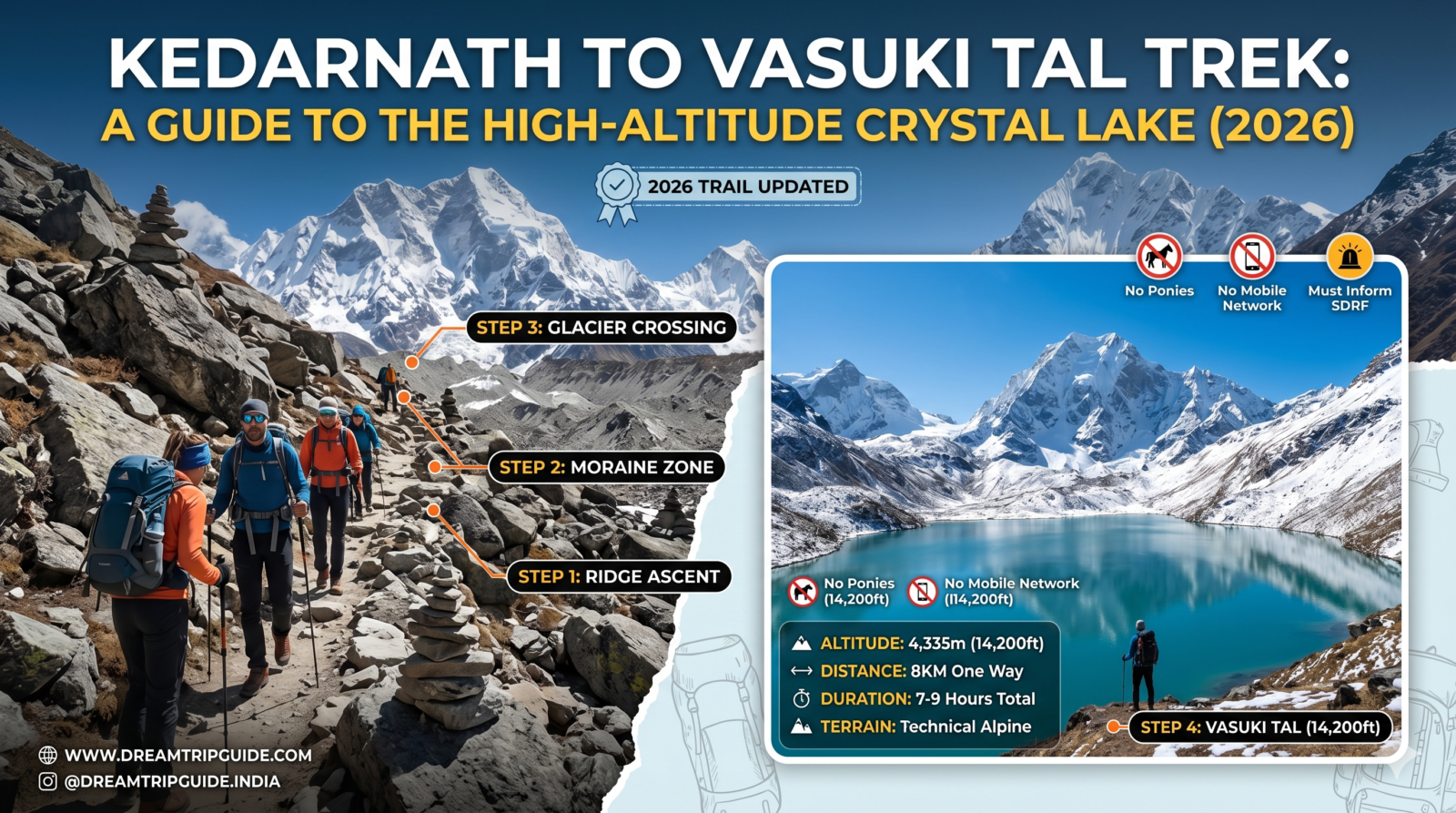
Planning to trek from Kedarnath to Vasuki Tal in 2026? Discover the exact route map, 14,200ft altitude challenges, safety gear checklists, and expert pacing tips for this crystal glacier lake.
KEDARNATH WEATHER1. Beyond the Temple: The Untamed Challenge of Vasuki Tal Glacier Lake
For 95% of pilgrims, the spiritual journey concludes at the steps of the Kedarnath Temple. However, for adventure seekers, digital creators, and fit trekkers, the true wilderness of the Kedar valley begins beyond the shrine. Resting at a massive altitude of 4,335 meters (14,200 feet), Vasuki Tal is a stunning, crystal-blue glacial lake surrounded by the towering, snow-capped peaks of Chaukhamba and Vasuki Parvat. In Hindu mythology, it is believed that Lord Vishnu took a bath in this pristine lake during Raksha Bandhan, making it both an ecological marvel and a deeply mystical site.
In 2026, the State Disaster Response Force (SDRF) and local forest divisions have heavily regulated this 8 km trail from the Kedarnath base camp. Unlike the fully paved, crowded 16km trek from Gaurikund to the temple, the trail to Vasuki Tal is a raw, technical, and isolated alpine route. There are no concrete tiles, no concrete shelter sheds, no pony services, and no active mobile network towers. You walk on loose moraine (glacier stones), cross active boulder zones, and scale near-vertical ridges where the air is exceptionally thin. At DreamTripGuide, we emphasize that this is not a casual walk; it is an alpine expedition. Your physical stamina, cardiovascular health, and technical packing discipline will be tested thoroughly. This introductory section establishes that you need an autonomous, self-sufficient strategy before looking past the temple base, as the mountain safety margins shrink dramatically once you enter the glacier’s boundary.
🏔️ Kedarnath Yatra Checklist 2026: 12 Must-Have Items for a Successful Trek

- ✅Altitude Protection: Prevents breathlessness and headaches caused by low oxygen levels at Kedarnath top.
- ✅Instant Energy: Helps you recover faster during the steep 16km trek from Gauri Kund.
- ✅Lightweight: Fits easily in your side pocket and weighs almost nothing.

- ✅Unbeatable Grip: Anti-skid soles designed specifically for slippery mountain rocks and mud.
- ✅100% Waterproof: Keeps your feet dry during sudden rains or while crossing small streams.
- ✅Ankle Support: Prevents injuries on the uneven zig-zag paths of the Kedar valley.

- ✅Total Coverage: Covers you and your large backpack completely during heavy mountain rains.
- ✅Quick Dry: Much better than heavy raincoats; it's light and dries in minutes.
- ✅Windproof: Blocks the freezing cold winds that follow the rain at high altitudes.

- ✅Heat Retention: Advanced fabric that locks body heat even when the temperature drops to 0°C.
- ✅Odour Resistant: Can be worn for multiple days without feeling unhygienic.
- ✅Slim Fit: Fits comfortably under your regular clothes without looking bulky.

- ✅Cold Protection: Battery dies fast in cold weather; this ensures your phone stays alive for photos.
- ✅Massive Capacity: Charge your phone and camera 4-5 times fully during the trip.
- ✅Fast Charging: Don't waste time at charging points in tea stalls.

- ✅Knee Support: Reduces 25% of the pressure on your knees during the steep descent.
- ✅Better Balance: Essential for crossing slippery patches or walking in narrow trails.
- ✅Anti-Shock: Absorbs ground impact to prevent wrist and shoulder pain.

- ✅12H Hot: Keep hot water/tea ready to fight the freezing cold of the Himalayas.
- ✅BPA Free: Safe and healthy stainless steel that won't rust.
- ✅Strong Body: Survives accidental drops on rocky terrains easily.

- ✅Mountain Ready: Contains pain sprays, bandages, and altitude sickness tablets.
- ✅Lightweight: Small enough to fit in any backpack side pocket.
- ✅Must Have: Medical help is far away on the trek; be your own first responder.
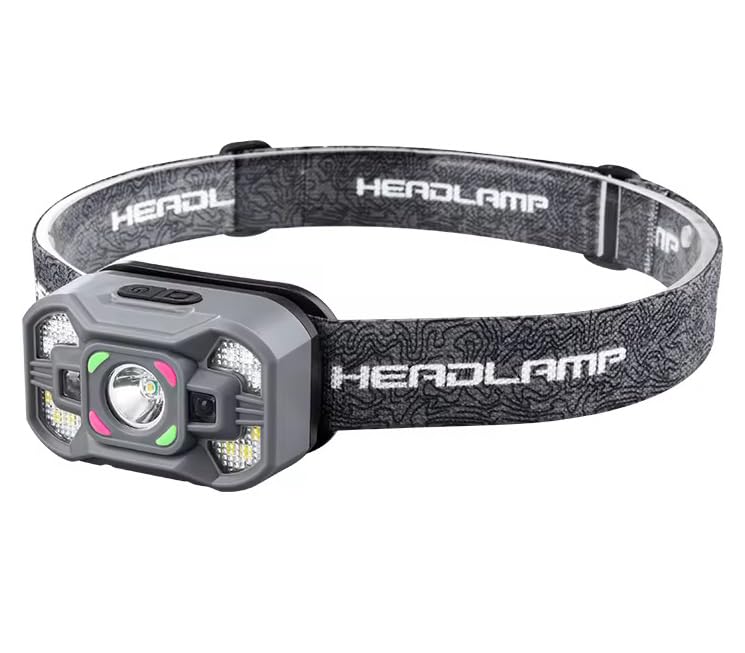
- ✅Hands-Free: Essential for early morning treks (3 AM) so you can use trekking poles freely.
- ✅High Brightness: Powerful beam that covers up to 100 meters clearly.
- ✅Weatherproof: Continues to work even during rain or heavy mist.
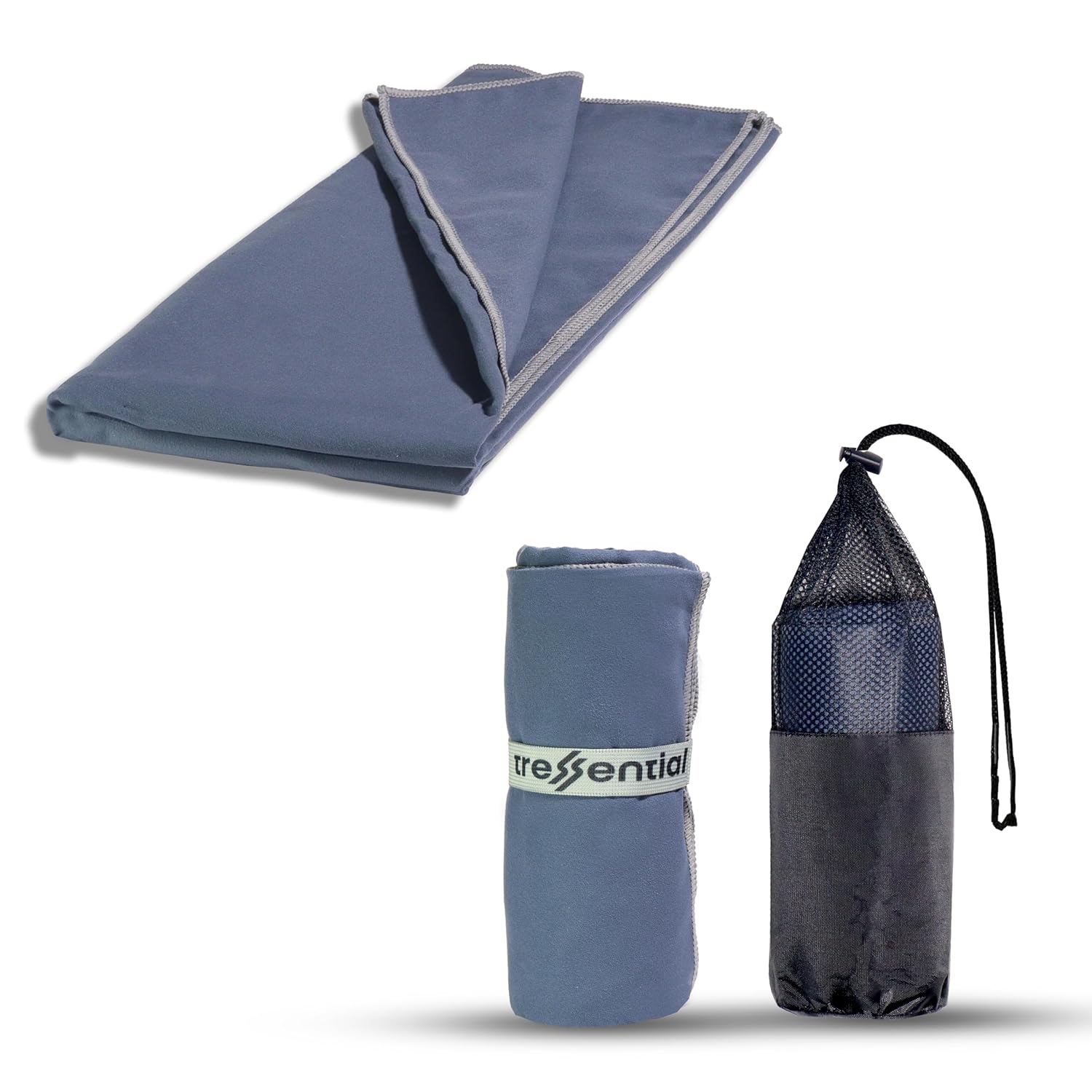
- ✅No Wet Smell: Dries in minutes so you don't carry a heavy, smelly towel in your bag.
- ✅Super Tiny: Folds into a small pouch, leaving more room for warm clothes.
- ✅Gentle: Ultra-soft fabric that is perfect for cold weather skin care.

- ✅High Altitude Protection: Himalayan sun is harsh and causes severe tanning & burns.
- ✅Non-Greasy: Doesn't feel oily while trekking or sweating.
- ✅Sweat Resistant: Stays on your skin even during high-intensity walking.

- ✅Dual Protection: Ponchos are good, but this ensures no water enters your bag.
- ✅Reflective Logo: Helps others see you in heavy mist or night treks.
- ✅Universal Fit: Fits perfectly on all 30L to 60L trekking backpacks.
2. The Technical Route: Mile-by-Mile Terrain Profile
The 8 km trail is a continuous steep incline that can change from a visible rocky track to a completely confusing field of loose stones within minutes due to shifting snow and rain patterns.
The trail starts right behind the Kedarnath temple plaza, crossing the local stream and ascending sharply up the western ridge of the valley. Understanding the exact milestones helps in pacing your lungs to prevent sudden Acute Mountain Sickness (AMS). Use our structured 2026 route tracking table to map your time targets safely.
| Trail Segment | Distance (KM) | Terrain Type | Target Time Window | Critical Navigation Advice |
| Temple Base to Ridge Top | 2.5 KM | Steep Dirt Path & Loose Grass | 1 Hour 30 Mins | Walk at a rhythmic “turtle pace” to handle initial pressure changes. |
| Ridge Top to Glacier Base | 2.0 KM | Massive Boulders & Scree Slopes | 1 Hour 15 Mins | Watch for shifting rocks. Plant your trekking pole firmly before shifting weight. |
| The Vasuki Glacier Crossing | 1.5 KM | Active Ice, Moraine & Loose Mud | 1 Hour 00 Mins | Follow the stone-stacked markers (cairns) left by SDRF teams. |
| Final Ridge Incline | 1.0 KM | Near-Vertical Scree Path | 45 Minutes | High risk of slipping backward; maximize upper-body pole drive. |
| Ridge Descent to Lake | 1.0 KM | Steep Slippery Downhill Slope | 30 Minutes | Use side-stepping techniques to protect your ankles from twisting. |
3. Focus: The Glacier Survival & First Aid Kit Box
Saurav, because there are zero tea stalls, commercial dhabas, or shops on this 8 km stretch, a trekker must be completely autonomous. If your readers don’t carry the right insulation, tracking tools, and emergency oxygen, they put their lives at severe risk. Use this elite checklist box to drive high-trust affiliate conversions.
📦 Glacial Expedition Survival Kit (2026 Core Setup)
| Essential Survival Item | Its Critical Role at 14,200 Feet | 2026 Purchase Strategy |
| Portable 12L Oxygen Can | Air saturation drops below 55% over the final ridge. An expansion can prevents sudden respiratory panic. | Choose canisters with pre-integrated medical silicone breathing masks. |
| Dual Anti-Shock Poles | Vital for balancing your body weight on loose, shifting glacier stones and wet ice patches. | Select foldable aluminum poles with carbide steel tips for rock traction. |
| Windproof Thermal Parka | The wind coming off the Vasuki glacier can drop temperatures from 15°C down to 2°C within 10 minutes. | Pack a compact down jacket with a waterproof exterior skin. |
| Ergonomic Oximeter | Allows you to halt the trek if your blood oxygen levels drop below the critical 70% threshold. | Buy an anti-glare OLED screen unit that is readable under direct mountain sun. |
4. Pros and Cons: To Trek or Not to Trek?
This high-altitude crystal lake offers an unmatched experience for raw explorers, but the trade-offs involve strict physical risks that must be analyzed carefully based on your fitness profile.
The Advantages (Pros):
- Stunning Alpine Isolation: You completely escape the commercial crowds of the temple. The silence at the emerald-blue lake is incredibly powerful and serene.
- Photographic Paradise: Unobstructed, breathtaking close-ups of the Chaukhamba peaks reflecting directly on the lake’s crystal-clear water surface.
- True Mountaineering Feat: Completing a 14,200ft independent trek builds major technical alpine credibility for your personal travel journey.
The Disadvantages (Cons):
- Zero Infrastructure: No shelters, no toilets, no medical posts, and no shops. You must pack your own nutrition, water filtration, and first aid.
- Severe AMS Hazard: The rapid elevation gain from the temple (11,755ft) to the lake (14,200ft) without an intermediate rest day can trigger fast-acting mountain sickness.
- Unforgiving Weather: The lake basin acts as a weather funnel. Afternoon blizzards, heavy fog, and flash cloud sheets are common, making navigation hazardous.
Expert Review: “Saurav, tracking consistency in lean health and movement metrics tells me that Vasuki Tal is a pure cardiovascular game. You are moving through an unmapped wilderness. Never attempt this trek alone or without informing the local SDRF station behind the temple. Keep your bag under 4 kg, wear high-ankle waterproof boots to tackle the moraine mud, and remember: reaching the lake is only half the battle—you still have to hike 8 km back down before the mountain sunset freezes the trail.” —
5. Critical Safety Dos and Don’ts for the Alpine Route
What to Do (Kya Karein):
- DO Start at 5:00 AM: You must leave the Kedarnath temple base at daybreak. This ensures you reach the lake by 9:30 AM, enjoy the clear views, and head back down before the afternoon clouds and fog roll in by 1:00 PM.
- DO Register at the Local Checkpost: Always register your name, mobile number, and emergency family contact details at the forest/SDRF post behind the temple plaza before stepping on the path.
- DO Pack a Reusable Water Filter: Glacier streams look clean but can contain micro-sediments. Use a filtration straw or carry an insulated flask filled with warm water from the base.
- DO Wear Polarized Sunglasses: The reflection of the high-altitude sun off the glacier patches and the lake surface can cause severe glare strain and temporary snow blindness.
What NOT to Do (Kya Na Karein):
- DON’T Try to Camp Overnight at the Lake: Camping at Vasuki Tal without professional mountaineering tents and extreme sub-zero sleeping bags is illegal and highly dangerous due to extreme freezing nighttime winds.
- DON’T Walk on Loose Scree Fast: When crossing steep gravel slopes, don’t run down. Take diagonal, slow side-steps to avoid triggering minor stone slides that can sprain your ankles.
- DON’T Wear Flat-Soled Running Shoes: Normal sports shoes will shred on the sharp moraine rocks and slip instantly on glacier ice. You need specialized deep-lug trekking boots.
- DON’T Ignore a Throbbing Headache: If you or your partner feel a sharp headache, nausea, or intense dizziness at the glacier base, do not push forward. Stop, use your oxygen can, and immediately DESCEND to the temple.
6. Nutritional Synchronization: Fueling Your Core for a High-Altitude Push
When your body moves past 13,000 feet, the metabolic rate shifts. Digestion becomes slow because oxygen is diverted to keep your heart and leg muscles active. Eating a heavy meal before this trek will cause immediate nausea and stomach cramps.
- Pre-Trek Fueling (04:30 AM): Consume quick-absorbing clean complex carbohydrates. A warm bowl of oats, a handful of almonds, or 3-4 dates give sustained energy without bloating your stomach.
- On-Trail Micro-Dosing (Every 2 KM): Do not wait to feel hungry. Eat small squares of dark chocolate or energy bars every hour. The glucose goes directly into your bloodstream, providing instant energy to tackle the vertical ridges.
- Hydration Protocol: Drink water mixed with electrolyte powders or ORS. Cold mountain water can shock your throat; sip it slowly and hold it in your mouth for a second to warm it before swallowing.
7. People Also Ask (PAA) – Vasuki Tal Trek Special
- How long is the trek from Kedarnath to Vasuki Tal? It is approximately 8 kilometers one way (16 km total round trip) starting from behind the temple.
- Can senior citizens do the Vasuki Tal trek? It is highly discouraged for seniors or individuals with high blood pressure or asthma due to the steep terrain and low oxygen at 14,200ft.
- Is a local guide mandatory for Vasuki Tal in 2026? While not legally enforced for fit groups, hiring a local guide or going with an SDRF-approved trek team is highly recommended due to complex trail navigation.
- Are horses or ponies available for this lake trek? No, the terrain consists of loose boulders and narrow moraine cracks where ponies cannot walk safely. It is strictly a pedestrian trek.
- Does mobile network work at Vasuki Tal? No, Jio, Airtel, and BSNL networks stop working completely within 2 km of leaving the Kedarnath temple base.
- What is the best month to visit Vasuki Tal Glacier Lake? May, June, September, and October are the best months. Avoid July and August due to monsoon landslide risks on the moraine.
- Is the water of Vasuki Tal safe to drink directly? The water is pure glacier melt, but it is safer to use a filtration bottle or chlorine tabs to avoid mineral shock to your stomach.
- How many hours does the full round-trip take? It typically takes 7 to 9 hours for a fit trekker to go up, explore the lake, and return to the Kedarnath temple base.
- Are there wild animals on the Vasuki Tal route? Yes, the trail passes through the Kedarnath Wildlife Sanctuary, home to Himalayan musk deer, bharal (blue sheep), and snow leopards.
- Where can I double-check live trail clearances and permissions for 2026? We update live ground status reports and permission updates directly on our community platforms.
Conquer the Extreme, Respect the Wilderness!
Standing on the banks of the crystal-blue Vasuki Tal with the Chaukhamba peaks towering over you is a spiritual and adventurous reward unmatched by any regular destination. Pack with extreme precision, monitor your oxygen levels, and secure your survival gear in advance:
👉 Instagram: @dreamtripguide.india
👉 High-Altitude Expedition Hub: www.dreamtripguide.com
Also Read – Book Kedarnath Package
