
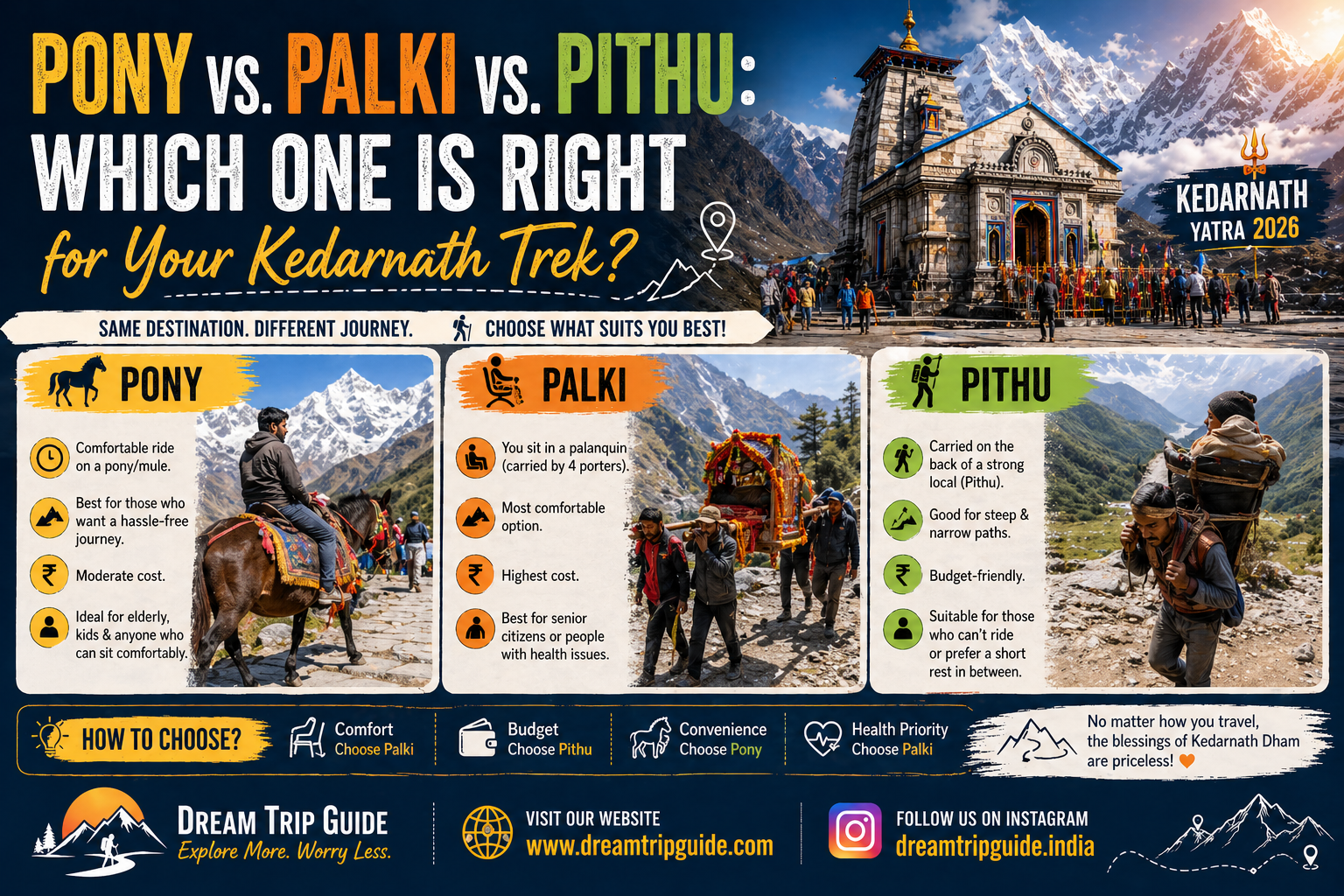
Choosing between a Pony, Palki, or Pithu for Kedarnath? Read our 2026 comparison guide on costs, comfort, and safety to find the best transport for your spiritual journey.
1. Understanding the Logistics: Pony, Palki, and Pithu
The 16km climb from Gaurikund to Kedarnath is not just a walk; it is a steep ascent into high-altitude terrain where oxygen levels drop and weather changes in minutes. For many, completing this journey on foot is physically impossible. This is where the three pillars of Himalayan transport come in: the Pony (Mule/Horse), the Palki (Palanquin), and the Pithu (Human Porter). In 2026, the Uttarakhand administration has streamlined these services with biometric registration and fixed prepaid rates to ensure a seamless experience for every devotee.
Pony (The Most Popular): Ponies and mules are the lifelines of the Kedarnath trek. They are fast, sturdy, and can navigate steep rocky paths with ease. Most pilgrims who cannot walk choose a pony because it is the fastest way to reach the top. However, it requires the rider to have a basic sense of balance and the ability to sit astride an animal for 5-6 hours.
Palki (The Most Comfortable): A Palki is a wooden litter carried by four men. It is the gold standard for comfort. Because you are seated in a chair-like structure, there is very little physical strain on your body. It is the preferred choice for the elderly or those with chronic back pain who cannot handle the jerky movements of a horse.
Pithu (The Personalized Support): A Pithu is a local porter who carries luggage or small children in a specialized wicker basket on their back. For solo travelers who want to walk but cannot carry their heavy rucksacks, a Pithu is an essential companion. They also provide physical support to walkers during the steepest parts of the trek.
👉 Also Read – Book Kedarnath Package
Expert Review (Strategic Overview):
“In 2026, the choice depends entirely on your physical limitations. If you are fit but want to save energy, take a Pony. If you are fragile or elderly, a Palki is your only safe bet. If you want to experience the trek on your own feet but need help with your bags, hire a Pithu.” — Saurav Pal, DreamTripGuide Strategist.
Quick Comparison Table 2026 (Attractive & User-Friendly)
| Feature | Pony (Horse) | Palki (Palanquin) | Pithu (Porter) |
| Best For | Average Adults | Elderly/Disabled | Kids/Solo Bags |
| 2026 Cost (Up) | ₹2,500 – ₹3,200 | ₹8,000 – ₹10,000 | ₹800 – ₹1,200 |
| Travel Time | 4 – 5 Hours | 6 – 8 Hours | Varies (Your Pace) |
| Comfort Level | Moderate (Bumpy) | High (Smooth) | N/A (For Luggage) |
| Safety Level | High (Experienced) | Highest (4 People) | High (Personalized) |
2. Deep Dive: Pros and Cons of Each Service
Every mode of transport has its trade-offs. Understanding these will prevent “Traveler’s Remorse” halfway through the trek.
The Pony (Horse):
- Pros: It is the fastest way to get to the temple. In 2026, the horses are well-trained and have biometric tags for tracking. It saves about 2-3 hours compared to walking.
- Cons: It can be very uncomfortable for your inner thighs and lower back. The height of the horse can be scary for some on the narrow cliff edges.
The Palki:
- Pros: There is virtually zero physical exertion for the pilgrim. You are carried by four humans who can stop exactly where you want. It is the safest way to avoid “Saddle Sores” caused by horses.
- Cons: It is the most expensive option. Because it involves four porters, the cost is nearly 3x that of a horse. It is also slower because the porters need frequent rests.
The Pithu:
- Pros: Allows you the freedom to walk without the 10kg weight on your shoulders. Pithus are also excellent navigators who can help you find shorter, safer paths.
- Cons: You still have to walk. If your stamina fails, the Pithu can only carry your bag, not you (unless you hire a specialized ‘Kandi’ for humans).
🏔️ Kedarnath Yatra Checklist 2026: 12 Must-Have Items for a Successful Trek

- ✅Altitude Protection: Prevents breathlessness and headaches caused by low oxygen levels at Kedarnath top.
- ✅Instant Energy: Helps you recover faster during the steep 16km trek from Gauri Kund.
- ✅Lightweight: Fits easily in your side pocket and weighs almost nothing.

- ✅Unbeatable Grip: Anti-skid soles designed specifically for slippery mountain rocks and mud.
- ✅100% Waterproof: Keeps your feet dry during sudden rains or while crossing small streams.
- ✅Ankle Support: Prevents injuries on the uneven zig-zag paths of the Kedar valley.

- ✅Total Coverage: Covers you and your large backpack completely during heavy mountain rains.
- ✅Quick Dry: Much better than heavy raincoats; it's light and dries in minutes.
- ✅Windproof: Blocks the freezing cold winds that follow the rain at high altitudes.

- ✅Heat Retention: Advanced fabric that locks body heat even when the temperature drops to 0°C.
- ✅Odour Resistant: Can be worn for multiple days without feeling unhygienic.
- ✅Slim Fit: Fits comfortably under your regular clothes without looking bulky.

- ✅Cold Protection: Battery dies fast in cold weather; this ensures your phone stays alive for photos.
- ✅Massive Capacity: Charge your phone and camera 4-5 times fully during the trip.
- ✅Fast Charging: Don't waste time at charging points in tea stalls.

- ✅Knee Support: Reduces 25% of the pressure on your knees during the steep descent.
- ✅Better Balance: Essential for crossing slippery patches or walking in narrow trails.
- ✅Anti-Shock: Absorbs ground impact to prevent wrist and shoulder pain.

- ✅12H Hot: Keep hot water/tea ready to fight the freezing cold of the Himalayas.
- ✅BPA Free: Safe and healthy stainless steel that won't rust.
- ✅Strong Body: Survives accidental drops on rocky terrains easily.

- ✅Mountain Ready: Contains pain sprays, bandages, and altitude sickness tablets.
- ✅Lightweight: Small enough to fit in any backpack side pocket.
- ✅Must Have: Medical help is far away on the trek; be your own first responder.
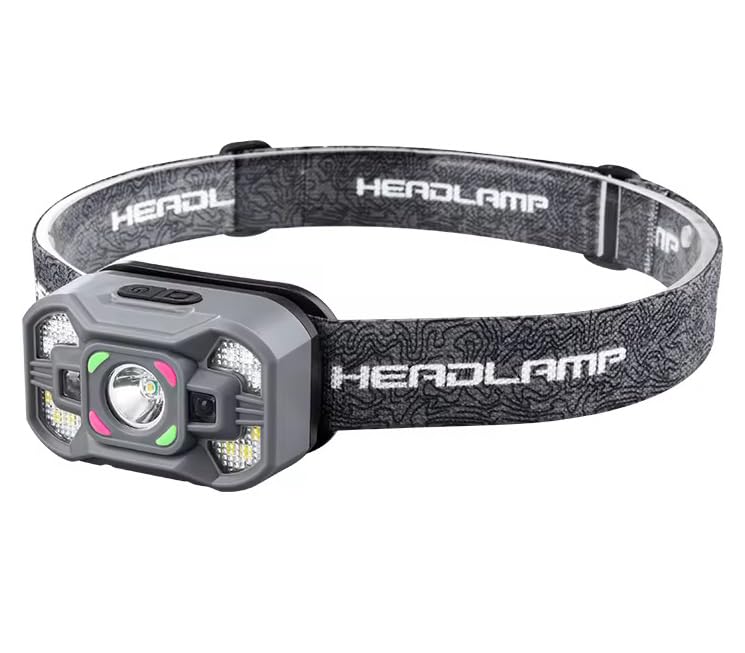
- ✅Hands-Free: Essential for early morning treks (3 AM) so you can use trekking poles freely.
- ✅High Brightness: Powerful beam that covers up to 100 meters clearly.
- ✅Weatherproof: Continues to work even during rain or heavy mist.
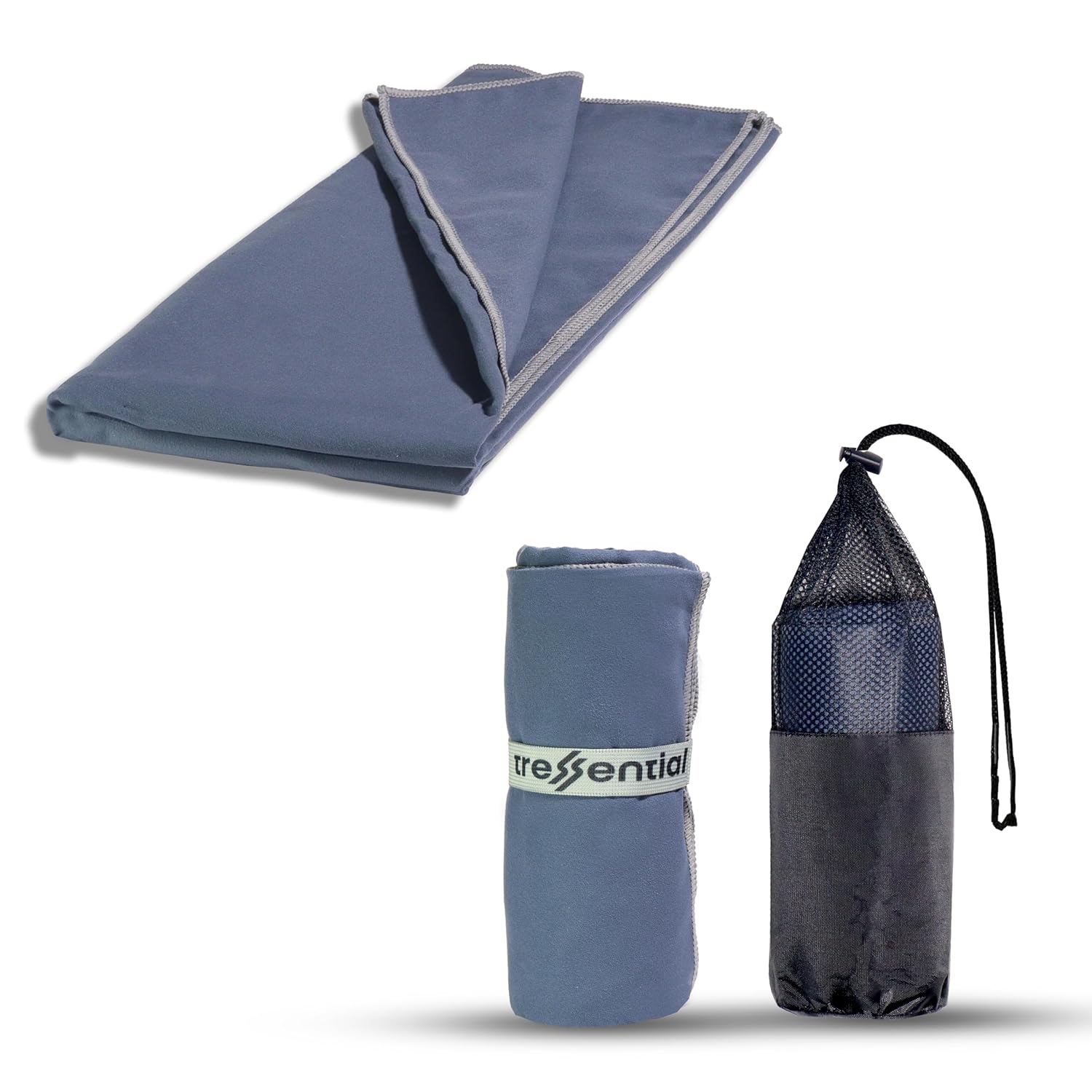
- ✅No Wet Smell: Dries in minutes so you don't carry a heavy, smelly towel in your bag.
- ✅Super Tiny: Folds into a small pouch, leaving more room for warm clothes.
- ✅Gentle: Ultra-soft fabric that is perfect for cold weather skin care.

- ✅High Altitude Protection: Himalayan sun is harsh and causes severe tanning & burns.
- ✅Non-Greasy: Doesn't feel oily while trekking or sweating.
- ✅Sweat Resistant: Stays on your skin even during high-intensity walking.

- ✅Dual Protection: Ponchos are good, but this ensures no water enters your bag.
- ✅Reflective Logo: Helps others see you in heavy mist or night treks.
- ✅Universal Fit: Fits perfectly on all 30L to 60L trekking backpacks.
3. Who Should Choose What?
The Senior Citizen (Age 60+): If your parents have any history of knee pain, heart issues, or blood pressure, choose the Palki. The smooth motion and the ability to sit upright are vital at high altitudes where the body is already under stress.
The Young Adult (Age 18-45):
If you have no major health issues but lack the stamina for a 16km uphill climb, the Pony is your best friend. It gets you to the temple quickly so you have more time for Darshan and Aarti.
The Family with Kids:
For children under 10, a Pithu (Kandi) is the best choice. Children often get tired after the first 2km (Gaurikund to Jungle Chatti). A Pithu carries them safely in a basket, allowing the parents to focus on their own trek.
Expert Review (Health Perspective):
“I have seen many people try to save money by taking a horse when they actually needed a Palki. If you have severe cervical or back issues, the ‘Trot’ of a horse can aggravate your pain. Invest in a Palki for a pain-free Darshan.” — Saurav Pal, Founder of DreamTripGuide.
4. Booking Process & Official 2026 Guidelines
In 2026, the government of Uttarakhand has made it mandatory to use the Prepaid Booking Counters.
Step 1: Get Your Registration QR: You cannot book any service without your Char Dham Yatra Registration. Keep it handy.
Step 2: The Weigh-In: For Palkis and Pithus, the weight of the pilgrim/luggage is checked at the counter. Rates are strictly based on weight slabs (usually 75kg for Palki and 20kg for Pithu).
Step 3: Collect the Computerized Slip: This slip contains the registration number of the animal or the ID of the porter. Never leave the counter without it.
What to Do:
- Verify the ID: Ensure the porter’s ID matches the one on your slip.
- Check the Health of the Pony: If the animal looks weak or has visible wounds, ask for a replacement immediately.
- Keep Your Slip Safe: It acts as your insurance and your return-trip contract.
What NOT to Do:
- Don’t Settle for Direct Deals: Many handlers will approach you outside the counter for lower rates. These are unregistered and risky.
- Don’t Pay 100% Advance: The standard practice is to pay a portion at the counter and the rest after the journey is completed.
- Don’t Overload the Pithu: Respect the 20kg limit; overloading porters is illegal and dangerous on steep slopes.
5. Safety and Weather Considerations in 2026
The current weather in late April 2026 is seeing temperatures drop to -5°C at night with afternoon rain. This affects transport choices.
Rain and Ponies: The stone-paved path becomes very slippery during rain. Ponies are generally safe, but you must wear a poncho that doesn’t flap in the wind, as it can startle the animal.
Cold and Palkis: Since you are sitting still in a Palki, you are not generating body heat. Palki travelers feel the cold much more than walkers. Ensure you have a heavy thermal layer and a blanket for your legs.
Expert Review (Weather Alert):
“During the current 2026 snow season, the Palki porters are the most reliable because they have better traction on ice compared to horse hooves. If the path is icy, a Palki is significantly safer than a Pony.” — Saurav Pal, Lead Strategist.
Frequently Asked Questions (FAQs)
Q1. Can I switch from walking to a Pony mid-way?
Yes, there are small “Ghoda-Paraos” at Jungle Chatti, Bheembali, and Lincholi where you can hire a pony for the remaining distance, though rates might vary.
Q2. Are there any weight limits for Palkis?
Yes, the standard rate is for up to 75 kg. Above that, you pay an extra ₹500 – ₹1,000 for every 5 kg slab.
Q3. Is it safe for pregnant women?
Generally, trekking is discouraged. However, if medically cleared, a Palki is the only safe option. Ponies should be strictly avoided.
Q4. Do these services work at night?
No. Most services stop after 5 PM for safety reasons. It is best to start your journey before 6 AM.
CTA: Still confused? DM us on Instagram @dreamtripguide.india with your age and weight, and we will suggest the best option for you! Visit www.dreamtripguide.com for your 2026 Survival Kit.
