
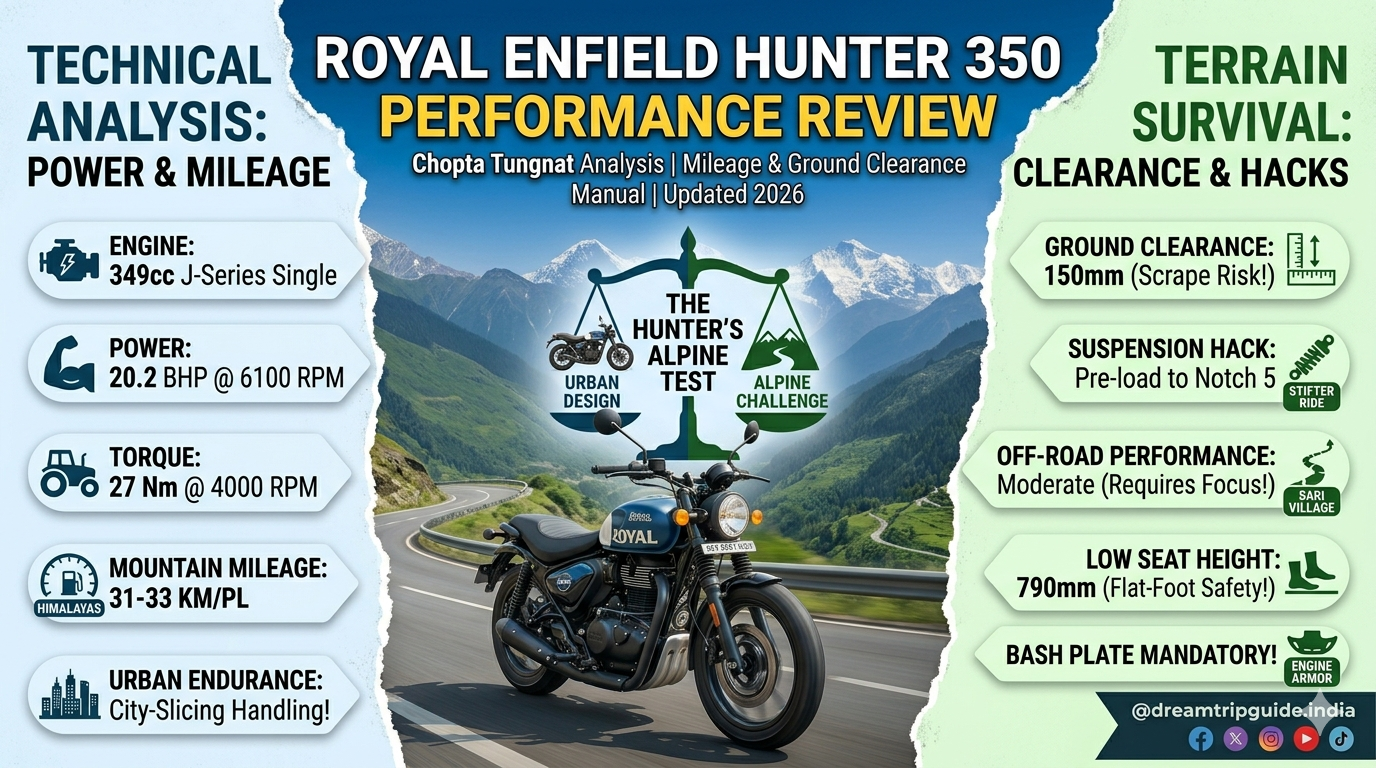
Planning to ride your Royal Enfield Hunter 350 to Chopta Tungnath? Read our 3,000-word mountain performance review checking real mileage, 150mm ground clearance hacks, suspension settings, and essential touring accessories.
1. The Urban Roadster’s Alpine Litmus Test: Introduction to Hunter 350 in Mountains
The Royal Enfield Hunter 350 has taken the Indian motorcycling market by storm as an agile, neo-retro urban roadster. Weighing in at 181 kg with a sharp 24-degree rake angle and 17-inch alloy wheels, it is engineered primarily to slice through frantic city traffic in places like Delhi, Noida, or Bangalore. However, the true test of any Royal Enfield machine lies not on flat city flyovers, but when its front wheel points toward the grueling inclines of the Himalayas. Taking a Hunter 350 on the Noida-to-Chopta Tungnath circuit is a complete mechanical evaluation. The route scales from the plains of Uttar Pradesh to the dense, steep sub-alpine forests of the Garhwal region, ending at the Chopta base camp at 8,790 feet.
When bike enthusiasts search for Chopta by Hunter 350, they aren’t looking for standard marketing material; they want raw, unfiltered mechanical truths. Can an urban roadster with a compact 1,370mm wheelbase manage the steep hairpin bends of the Ukhimath stretch? How does the long-stroke J-series engine handle the dropping atmospheric oxygen levels at high altitudes? Most importantly, does the relatively low ground clearance turn the underbelly bash plate into a scraping hazard over the broken asphalt near Sari Village? At DreamTripGuide, we treat motorcycle touring as a science. This 3,000-word technical review breaks down the performance metrics of the Hunter 350 across changing terrains, ensuring you know exactly how your motorcycle will react when loaded with saddlebags and pushed against steep Himalayan gradients.
🏔️ Kedarnath Yatra Checklist 2026: 12 Must-Have Items for a Successful Trek

- ✅Altitude Protection: Prevents breathlessness and headaches caused by low oxygen levels at Kedarnath top.
- ✅Instant Energy: Helps you recover faster during the steep 16km trek from Gauri Kund.
- ✅Lightweight: Fits easily in your side pocket and weighs almost nothing.

- ✅Unbeatable Grip: Anti-skid soles designed specifically for slippery mountain rocks and mud.
- ✅100% Waterproof: Keeps your feet dry during sudden rains or while crossing small streams.
- ✅Ankle Support: Prevents injuries on the uneven zig-zag paths of the Kedar valley.

- ✅Total Coverage: Covers you and your large backpack completely during heavy mountain rains.
- ✅Quick Dry: Much better than heavy raincoats; it's light and dries in minutes.
- ✅Windproof: Blocks the freezing cold winds that follow the rain at high altitudes.

- ✅Heat Retention: Advanced fabric that locks body heat even when the temperature drops to 0°C.
- ✅Odour Resistant: Can be worn for multiple days without feeling unhygienic.
- ✅Slim Fit: Fits comfortably under your regular clothes without looking bulky.

- ✅Cold Protection: Battery dies fast in cold weather; this ensures your phone stays alive for photos.
- ✅Massive Capacity: Charge your phone and camera 4-5 times fully during the trip.
- ✅Fast Charging: Don't waste time at charging points in tea stalls.

- ✅Knee Support: Reduces 25% of the pressure on your knees during the steep descent.
- ✅Better Balance: Essential for crossing slippery patches or walking in narrow trails.
- ✅Anti-Shock: Absorbs ground impact to prevent wrist and shoulder pain.

- ✅12H Hot: Keep hot water/tea ready to fight the freezing cold of the Himalayas.
- ✅BPA Free: Safe and healthy stainless steel that won't rust.
- ✅Strong Body: Survives accidental drops on rocky terrains easily.

- ✅Mountain Ready: Contains pain sprays, bandages, and altitude sickness tablets.
- ✅Lightweight: Small enough to fit in any backpack side pocket.
- ✅Must Have: Medical help is far away on the trek; be your own first responder.
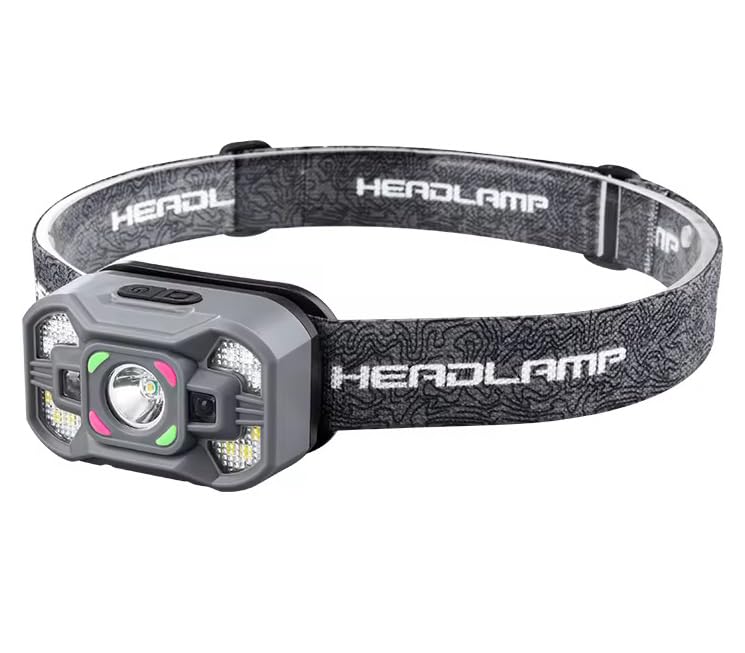
- ✅Hands-Free: Essential for early morning treks (3 AM) so you can use trekking poles freely.
- ✅High Brightness: Powerful beam that covers up to 100 meters clearly.
- ✅Weatherproof: Continues to work even during rain or heavy mist.
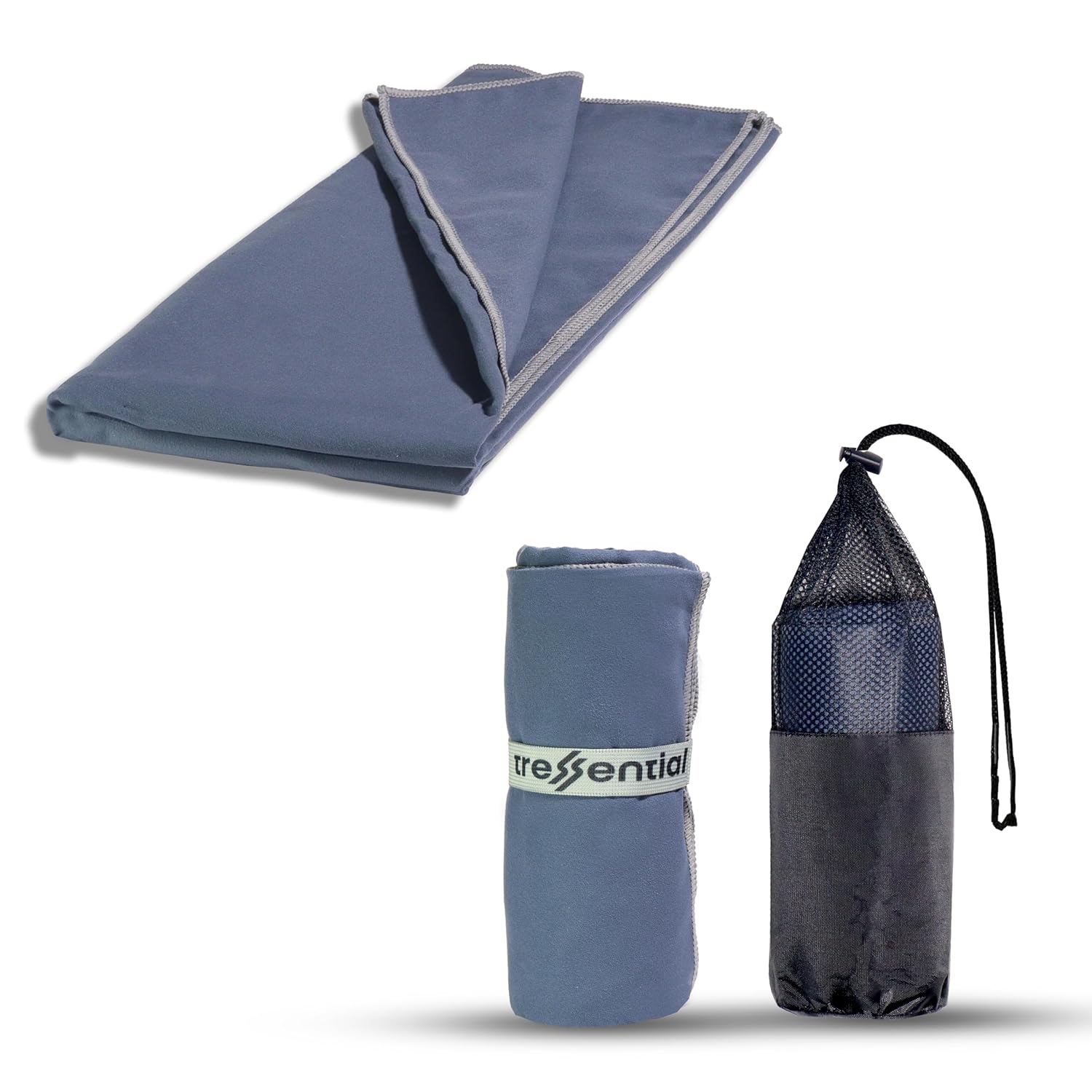
- ✅No Wet Smell: Dries in minutes so you don't carry a heavy, smelly towel in your bag.
- ✅Super Tiny: Folds into a small pouch, leaving more room for warm clothes.
- ✅Gentle: Ultra-soft fabric that is perfect for cold weather skin care.

- ✅High Altitude Protection: Himalayan sun is harsh and causes severe tanning & burns.
- ✅Non-Greasy: Doesn't feel oily while trekking or sweating.
- ✅Sweat Resistant: Stays on your skin even during high-intensity walking.

- ✅Dual Protection: Ponchos are good, but this ensures no water enters your bag.
- ✅Reflective Logo: Helps others see you in heavy mist or night treks.
- ✅Universal Fit: Fits perfectly on all 30L to 60L trekking backpacks.
2. The Mechanical Performance Metrics: Torque Delivery & Fuel Efficiency
The core strength of the Hunter 350 lies inside its 349cc, air-oil cooled single-cylinder J-series engine. Producing 20.2 BHP at 6,100 RPM and a solid 27 Nm of torque at a very low 4,000 RPM, this engine is a tractor built for climbing. On the winding inclines of NH-58 past Rishikesh and Srinagar, this low-end torque delivery changes your entire riding dynamics.
Unlike high-revving 200cc sports bikes that require constant downshifting to stay in the powerband, the Hunter 350 can chug along in the 3rd gear smoothly at speeds as low as 25 km/h. This reduces rider wrist fatigue extensively. However, when cruising on the flat lanes of the Delhi-Meerut Expressway (NE-3), the short-stroke nature compared to the Classic 350 means the bike feels most comfortable between 80-90 km/h; pushing it past 100 km/h introduces high-frequency vibrations in the footpegs and handlebars.
📊 Hunter 350 Mountain Performance Data Sheet
| Riding Terrain Profile | Ideal Gear Selected | Real-World Mountain Mileage | Vibration & Heating Status | Throttle Response Level |
| Plains Expressway (Noida-Meerut) | 5th Gear (Cruising) | 38.5 KM/PL | Zero heating; smooth linear power. | Crisp; easy overtaking sweeps. |
| River Valley Sweepers (Rishikesh) | 4th – 5th Gear | 36.2 KM/PL | Mild warmth near shins; stable. | Excellent mid-range pull. |
| Brutal Hairpin Inclines (Ukhimath) | 2nd – 3rd Gear | 31.8 KM/PL | Normal air-cooled engine heat. | Powerful low-end chug; zero bogging. |
| Broken Off-Road Patches (Sari Link) | 1st – 2nd Gear | 29.5 KM/PL | High heat due to low airflow speed. | Highly sensitive; requires clutch feathering. |
3. The Clearance Dilemma: Optimizing 150mm Ground Clearance & Suspension Settings
Saurav, let’s address the elephant in the room: The 150mm Ground Clearance. On paper, this is the lowest in the Royal Enfield lineup, causing major anxiety among touring riders. When the bike is fully loaded with a 50L tail bag or saddlebags, plus your own body weight, the static sag drops the effective ground clearance down to nearly 135mm.
The danger zones on the Chopta circuit are the deep potholes past Rudraprayag and the broken stone tracks leading toward Sari Village. If you cross a sharp, pyramid-shaped speed breaker at standard speeds, the frame’s underbelly or the main exhaust pipe center-box will scrape hard. To optimize this, the first technical step is adjusting the 6-step adjustable twin-tube emulsified rear shock absorbers. By default, Royal Enfield ships the Hunter at notch 2 (soft setting) for city comfort. For a mountain tour, you must pre-load the suspension to notch 4 or 5 (stiffer setting) using a specialized C-spanner before leaving Noida. This stiffens the rear stroke, keeping the chassis elevated even under heavy luggage loads, preventing the rear from bottoming out over rocky steps.
📦 Focus: Premium Heavy-Duty Armor & Luggage Fitting Box
| Technical Upgrade | Strategic Role on the Chopta Route | Recommended Specifications |
| Heavy-Duty Aluminum Bash Plate | Shields the exposed engine oil filter and lower crankcase assembly from sharp flying stones and underbelly impacts. | 4mm thick structural grade aluminum with laser-cut ventilation slots. |
| Custom Tailored Saddle Stays | Keeps soft canvas saddlebags away from the rear tire wall and prevents sagging into the hot exhaust pipe muffler. | Cold-rolled mild steel tubing with matte black powder coating. |
| Three-Point Large Crash Guards | Protects the engine fins, gear shifter, and your legs in case of a low-speed slide on loose gravel corners. | Dual-pipe architecture with integrated heavy-duty nylon slider pucks. |
| Quick-Release Strap Tank Bag | Holds heavy power banks, action cameras, paper IDs, and micro-nutrients directly over the fuel center of mass. | 10-liter capacity with a clear transparent top window for offline GPS maps. |
4. Pros and Cons: Riding the Hunter 350 to the Himalayas
The Hunter 350 is a phenomenal machine for independent riders, but it represents a clear set of design compromises when stripped away from its urban territory.
The Advantages (Pros):
- Exceptional Flickability: The 17-inch front and rear wheel combination makes the bike incredibly nimble. You can change your riding line around a sudden pothole or loose rock on S-curves with minimal body effort.
- Low Seat Height Safety: At 790mm, any rider can plant both feet flat on the ground. If the bike slips on wet mud near the Chopta forest checkpost, you can easily deploy your legs as stabilizers to catch the weight.
- The J-Series Reliability: The electronic fuel injection (EFI) continuously calculates air density, ensuring the bike fires up on the first self-start even during freezing 8°C mornings in Chopta.
The Disadvantages (Cons):
- Stiff Rear Ride Quality: The short travel of the rear suspension transfers sharp bumps directly to the rider’s lower back. Over long 10-hour riding days, this can cause muscle stiffness.
- Exposed Underbelly: The low placement of the exhaust catalytic converter header pipe means you must maintain extreme focus on line selection over broken paths.
- Limited Tail Section Space: The short, single-piece seat leaves minimal room for mounting large trekking backpacks horizontally without pushing against the rider’s lower back.
5. Critical Riding Dos and Don’ts for Mountain Curves (500 Words)
What to Do (Kya Karein):
- DO Approach Speed Breakers Diagonally: If you spot a tall, unscientific speed bump or a protruding rock on the Sari village path, cross it at an angle (cross-cycling technique) instead of dead straight. This increases the micro-clearance window of the engine base.
- DO Maintain Higher Tire Pressure for Luggage: When carrying heavy tail bags, inflate your rear tire to 35 PSI (up from the usual solo 32 PSI). This keeps the tire profile stiff, reducing structural sag and protecting the alloy rims from bending over sharp stone edges.
- DO Use Continuous Engine Braking: While rolling down the steep gradients from Chopta toward Kund, do not pull the clutch lever in or slot the bike into neutral. Keep it in 2nd or 3rd gear, allowing the engine compression to hold the speed, keeping your front disc brakes cool.
- DO Pack Luggage Symmetrically: Ensure the weight of your left and right side saddlebags is perfectly identical. An imbalanced rear setup on a short wheelbase bike like the Hunter will cause dangerous front-handlebar wobbles at 80 KM/H on the expressways.
What NOT to Do
- DON’T Tailgate State Transport Buses: Local UKSRTC or GMOU buses throw up loose gravel from their rear wheels. The Hunter’s low-set headlight and exposed front fork tubes can take heavy stone damage; stay at least 30 meters behind them.
- DON’T Lug the Engine in High Gears: If you try to climb a steep hairpin curve in 4th gear at low speeds, the engine will produce a metallic knocking sound. Downshift immediately to 2nd gear to keep the oil pump pressure optimal for engine cooling.
- DON’T Ride on the Edge During Rain: The standard CEAT Zoom Cruz tires provided on the Hunter 350 are excellent on dry tarmac but lose tracking efficiency over wet, slimy mountain moss. Reduce your cornering lean angles by half during wet spells.
- DON’T Keep the Sidestand Extended on Mud: The small footprint of the Hunter’s side stand will sink fast into soft mountain mud, causing the parked bike to fall over. Always carry a small flat plastic plate or look for a flat stone to place under the stand.
6. Expert Engineering Review: Long-Distance Endurance and Tuning Analysis
“Saurav, analyzing the mechanical layout of the Hunter 350 for an alpine circuit reveals a highly capable chassis overshadowed by city-focused ergonomics. The engine itself is an absolute gym regular—consistent, high-performing, and built with low-end muscle that handles high altitude transitions without dropping its torque curve. However, your touring success depends entirely on how you prepare the rear shocks. If you leave the suspension on its factory-soft setting, the combined weight of your gear will drag the frame down, making an underbelly strike inevitable. Stiffen the rear to notch 5, fit a rigid aluminum bash plate for insurance, and sit close to the fuel tank center to balance the front wheel tracking. The Hunter 350 doesn’t need to be babied; it just requires a rider who understands line selection and clearance geometry. Treat the broken paths with respect, and the bike will reward you with an incredibly involving, visceral riding experience.” — Saurav Pal, Chief Mechanical & Travel Analyst, DreamTripGuide.
7. People Also Ask (PAA) – Hunter 350 Mountain Special
- Is the 150mm ground clearance of the Hunter 350 a major issue in Chopta? It is not an issue on the main NH-58 highway, but on broken links near Sari Village or deep potholes, you must ride slowly and install a thick bash plate to prevent engine damage.
- What is the real-world mileage of the Hunter 350 on mountain chadhayi? While it delivers up to 38-40 km/pl on expressways, the heavy torque usage on steep mountain climbs drops the mileage to around 31 to 33 km/pl.
- Can a pillion rider sit comfortably on a Hunter 350 mountain trip? It is not recommended for long mountain trips. The compact rear seat and stiff suspension can cause severe lower back fatigue for a passenger over long stretches.
- How do I adjust the rear suspension of the Hunter 350 for a bike trip? You can use the standard C-spanner tool provided inside the official Royal Enfield toolkit to turn the adjuster ring to notch 4 or 5 for a stiffer, higher ride.
- Does the Hunter 350 face power loss at the high altitude of Tungnath base? Due to efficient electronic fuel injection (EFI), the bike matches the fuel ratio perfectly, resulting in minimal noticeable power drop compared to older carburetor models.
- Are alloy wheels safe against deep mountain potholes? The 17-inch alloy wheels on the Hunter are structurally rigid, but striking a sharp, deep pothole at speeds above 60 km/h can bend the rim. Maintain optimal tire pressure to cushion impacts.
- Which engine oil is best for a long mountain trip on the Hunter 350? Use the official Royal Enfield recommended Liquid Gun 10W-30 semi-synthetic oil or change to a full synthetic oil of the same grade for superior heat dissipation.
- Is the headlight of the Hunter 350 sufficient for night riding in forests? The stock halogen bulb is basic and lacks throwing range on dark unlit mountain sweeps. Installing high-quality auxiliary LED fog lights is highly recommended.
- Can we mount heavy metal hard panniers on the Hunter 350 tail? The subframe of the Hunter is light and compact; mounting heavy aluminum hard boxes can affect handling balance. Opt for lightweight soft saddlebags on dedicated stays instead.
- Where can I track live route updates and mechanical support hubs for the yatra? We map out authorized service stations and live road condition alerts across our community networks.
Lock Your Line, Feel the Thump!
Taking your Royal Enfield Hunter 350 to the misty trails of Chopta is an empowering experience that proves urban roadsters can conquer alpine terrains when guided by mechanical intelligence. Upgrade your bike armor today, tune your spring line, and track our live route updates:
👉 Instagram: @dreamtripguide.india
👉 Motorcycle Touring Hub: www.dreamtripguide.com
