
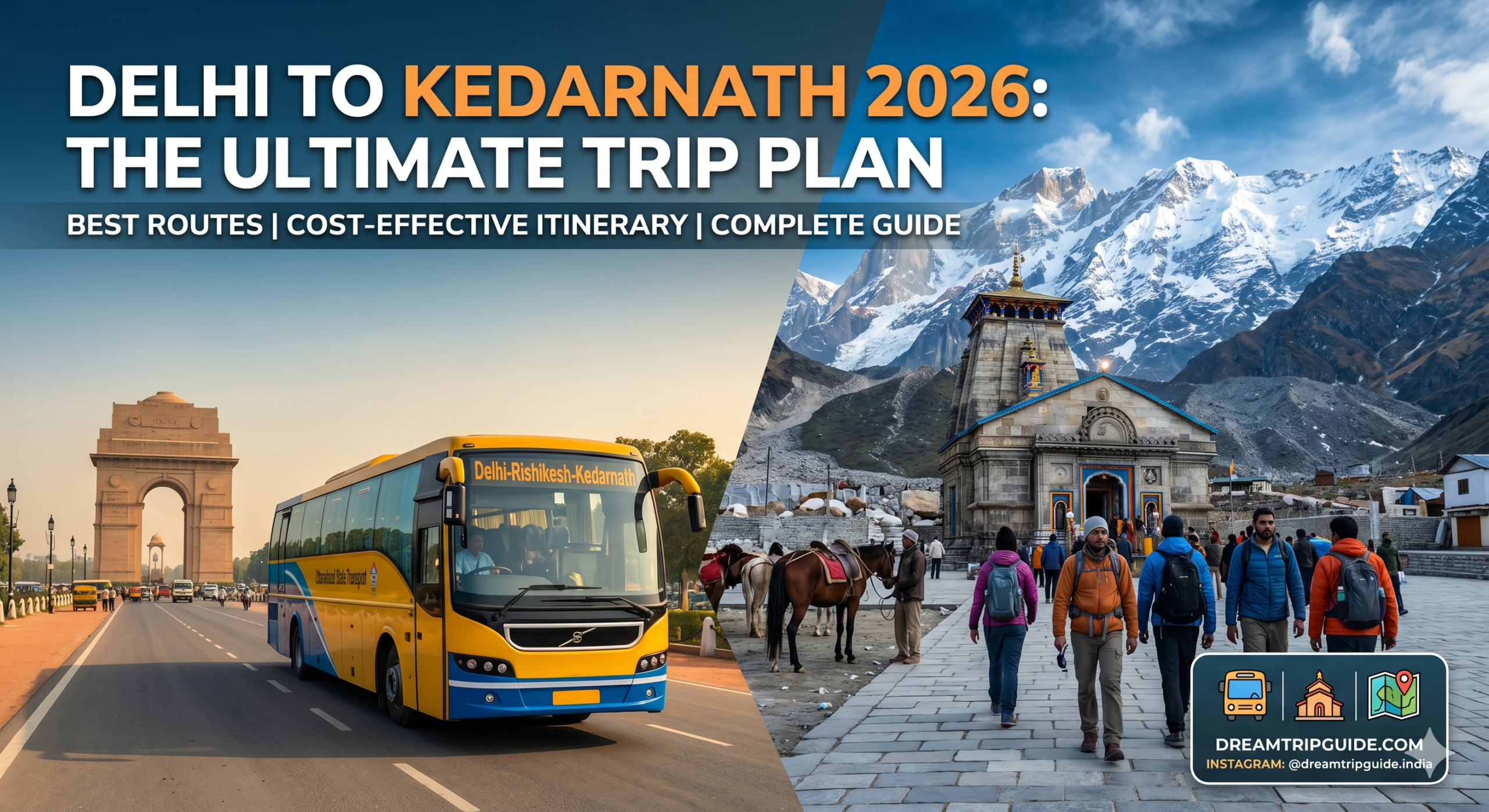
Planning a trip from Delhi to Kedarnath in 2026? Discover the best routes (Bus, Train, Car), a detailed 4-day budget itinerary, registration process, and expert travel tips.
1. Choosing Your Mode of Transport: From the Capital to the Himalayas
Delhi serves as the primary hub for pilgrims heading to the sacred shrine of Kedarnath. In 2026, the infrastructure has seen a massive upgrade with the “All-Weather Road” project, making the 450km journey smoother but still requiring careful planning.
Option 1: The Bus Route (Economic & Direct)
For budget-conscious travelers, direct buses from ISBT Kashmiri Gate are the most viable option. In 2026, the Uttarakhand Transport Corporation (UTC) has introduced more frequent “Hitech” and Volvo buses that go directly to Rishikesh, Haridwar, or even Sonprayag. An overnight bus is highly recommended, departing Delhi around 9:00 PM to reach the foothills by early morning.
Option 2: The Rail Route (Comfort & Connectivity)
The nearest major railway stations are Haridwar (HW) and Yog Nagari Rishikesh (YNRK). Popular trains like the Dehradun Shatabdi and Mussoorie Express depart daily from New Delhi Railway Station (NDLS). From Rishikesh, you must switch to a mountain-bound bus or a shared taxi. This is the best option for families and senior citizens as it minimizes road fatigue.
Option 3: Private Vehicle / Road Trip (Flexibility & Adventure)
Driving your own car or riding a motorcycle via NH58 offers maximum freedom. The route passes through Meerut, Muzaffarnagar, Roorkee, and the scenic Panch Prayags. However, ensure your vehicle is hill-ready. In 2026, private vehicles must undergo a “Green Card” check at the Vyasi or Rishikesh checkpoints to ensure they meet mountain safety standards.
Expert Review (Transport Selection):
“In 2026, I recommend the Train + Shared Taxi combination. It allows you to save energy for the actual 16km trek. Driving from Delhi is rewarding but can be physically taxing before you even reach Gaurikund.” — Saurav Pal, DreamTripGuide Strategist.
Delhi to Kedarnath: Transport Comparison 2026
| Mode of Transport | Avg. Cost (Per Person) | Travel Time | Best For |
| Volvo Bus (UTC) | ₹1,000 – ₹1,600 | 14 Hours | Solo/Budget Travelers |
| Train (3AC/CC) | ₹700 – ₹1,200 | 6-8 Hours | Families & Seniors |
| Private SUV | ₹10,000 – ₹14,000 | 12-14 Hours | Groups of 4-6 |
| Shared Taxi | ₹800 – ₹1,100 | 8 Hours (From Rishikesh) | Faster Transit |
🏔️ Kedarnath Yatra Checklist 2026: 12 Must-Have Items for a Successful Trek

- ✅Altitude Protection: Prevents breathlessness and headaches caused by low oxygen levels at Kedarnath top.
- ✅Instant Energy: Helps you recover faster during the steep 16km trek from Gauri Kund.
- ✅Lightweight: Fits easily in your side pocket and weighs almost nothing.

- ✅Unbeatable Grip: Anti-skid soles designed specifically for slippery mountain rocks and mud.
- ✅100% Waterproof: Keeps your feet dry during sudden rains or while crossing small streams.
- ✅Ankle Support: Prevents injuries on the uneven zig-zag paths of the Kedar valley.

- ✅Total Coverage: Covers you and your large backpack completely during heavy mountain rains.
- ✅Quick Dry: Much better than heavy raincoats; it's light and dries in minutes.
- ✅Windproof: Blocks the freezing cold winds that follow the rain at high altitudes.

- ✅Heat Retention: Advanced fabric that locks body heat even when the temperature drops to 0°C.
- ✅Odour Resistant: Can be worn for multiple days without feeling unhygienic.
- ✅Slim Fit: Fits comfortably under your regular clothes without looking bulky.

- ✅Cold Protection: Battery dies fast in cold weather; this ensures your phone stays alive for photos.
- ✅Massive Capacity: Charge your phone and camera 4-5 times fully during the trip.
- ✅Fast Charging: Don't waste time at charging points in tea stalls.

- ✅Knee Support: Reduces 25% of the pressure on your knees during the steep descent.
- ✅Better Balance: Essential for crossing slippery patches or walking in narrow trails.
- ✅Anti-Shock: Absorbs ground impact to prevent wrist and shoulder pain.

- ✅12H Hot: Keep hot water/tea ready to fight the freezing cold of the Himalayas.
- ✅BPA Free: Safe and healthy stainless steel that won't rust.
- ✅Strong Body: Survives accidental drops on rocky terrains easily.

- ✅Mountain Ready: Contains pain sprays, bandages, and altitude sickness tablets.
- ✅Lightweight: Small enough to fit in any backpack side pocket.
- ✅Must Have: Medical help is far away on the trek; be your own first responder.

- ✅Hands-Free: Essential for early morning treks (3 AM) so you can use trekking poles freely.
- ✅High Brightness: Powerful beam that covers up to 100 meters clearly.
- ✅Weatherproof: Continues to work even during rain or heavy mist.
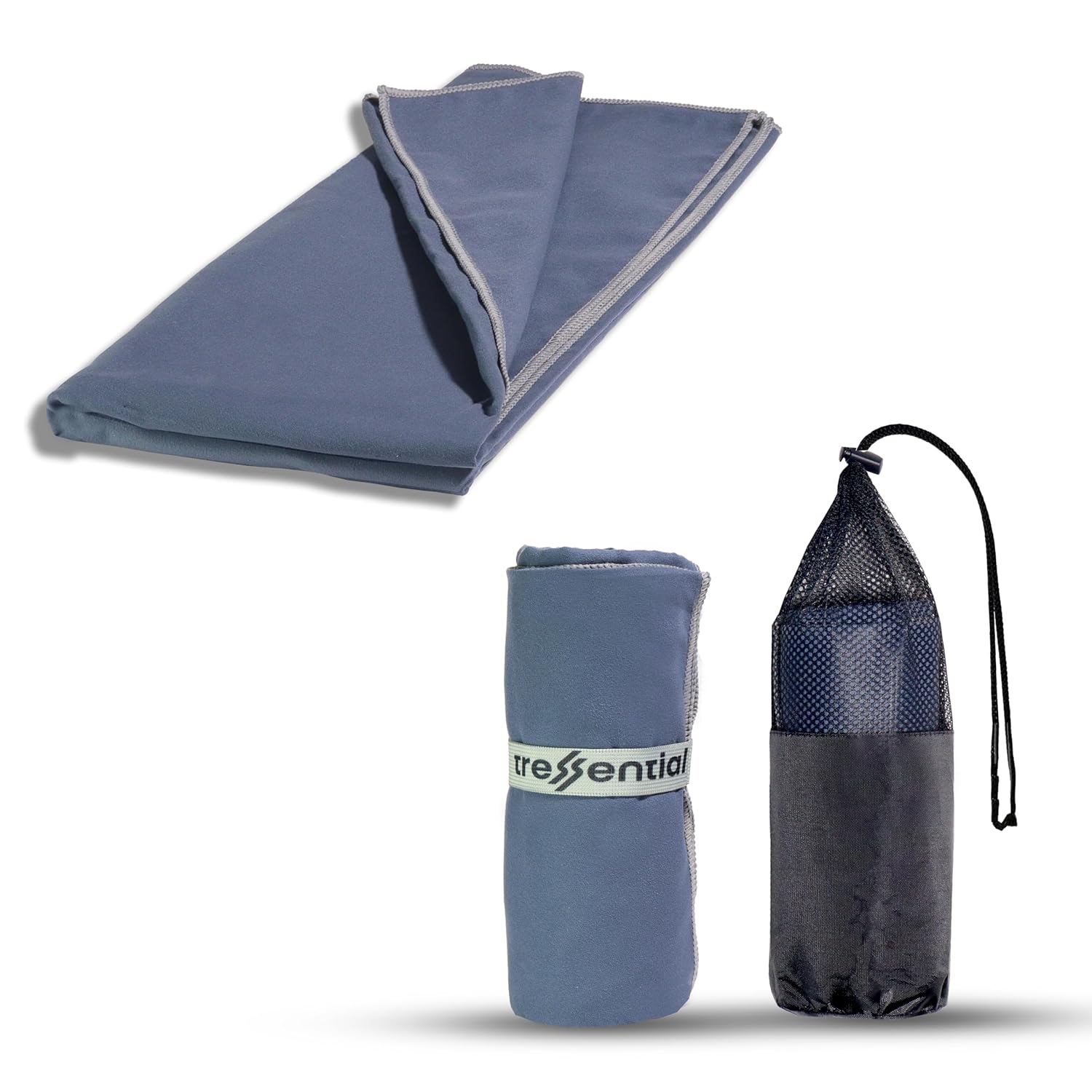
- ✅No Wet Smell: Dries in minutes so you don't carry a heavy, smelly towel in your bag.
- ✅Super Tiny: Folds into a small pouch, leaving more room for warm clothes.
- ✅Gentle: Ultra-soft fabric that is perfect for cold weather skin care.

- ✅High Altitude Protection: Himalayan sun is harsh and causes severe tanning & burns.
- ✅Non-Greasy: Doesn't feel oily while trekking or sweating.
- ✅Sweat Resistant: Stays on your skin even during high-intensity walking.

- ✅Dual Protection: Ponchos are good, but this ensures no water enters your bag.
- ✅Reflective Logo: Helps others see you in heavy mist or night treks.
- ✅Universal Fit: Fits perfectly on all 30L to 60L trekking backpacks.
2. The Perfect 4-Day Itinerary: Delhi to Kedarnath
A 4-day plan is the gold standard for the 2026 season. It provides enough time for acclimatization and ensures you don’t miss the divine evening Aarti.
Day 1: Delhi to Sonprayag/Sitapur
Depart from Delhi late at night (around 11:00 PM) to avoid city traffic. Reach Rishikesh by dawn and continue the mountain drive via Devprayag and Rudraprayag. Arrive at Sonprayag by 5:00 PM. Check into your hotel early to rest for the midnight start.
Day 2: The Sacred Ascent (Trek Day)
Wake up at 2:00 AM to catch the first shuttle to Gaurikund. Start your 16km trek by 4:00 AM. Reach the Kedarnath temple by noon. After checking into your camp, spend the afternoon in meditation. Attend the Evening Sandhya Aarti at 6:30 PM. Overnight stay at the top.
Day 3: Divine Darshan & Descent
Wake up for the Brahma Muhurta (4:00 AM) to join the morning puja. Start your descent to Gaurikund by 9:00 AM. Reach Sonprayag by 3:00 PM and drive to Guptkashi or Phata. Staying at a lower altitude on Day 3 helps in better physical recovery.
Day 4: Return Journey to Delhi
Start your return drive to Delhi by 6:00 AM. You can stop in Rishikesh for a quick Ganga Snaan or lunch. Reach Delhi by 10:00 PM, concluding your spiritual journey.
Pros and Cons: Staying at the Top vs. Staying at the Base
Staying at Kedarnath (Top)
- Pros: Unmatched spiritual vibe; Early morning Darshan; Witnessing the Aarti.
- Cons: Sub-zero temperatures; Low oxygen levels; Extremely basic accommodation.
Staying at Guptkashi/Phata (Base)
- Pros: Better hotels; Richer oxygen levels; Hot water and better food.
- Cons: Cannot attend early morning rituals; Adds extra travel time on trek day.
3. Mandatory Registration & Health Guidelines 2026
For the 2026 season, the Uttarakhand government has implemented a strict “Daily Cap” on pilgrims. Registration is no longer optional; it is a mandatory gate-pass.
Online Registration Process:
Visit the official portal registrationandtouristcare.uk.gov.in or use the Tourist Care Uttarakhand app. You will need your Aadhar Card and specific travel dates. Once registered, you will receive a PDF with a QR Code. Print this out in Delhi, as mobile networks are often unreliable in the high mountains.
Health Checkpoints:
In 2026, medical screening has become more rigorous. At Sonprayag, pilgrims over the age of 50 or those with visible health issues will be checked for Blood Pressure and Oxygen saturation. If you are traveling from the plains of Delhi, give your body at least 12 hours at the base (Guptkashi/Sonprayag) to avoid Altitude Sickness.
What to Do and What NOT to Do
What to Do:
- Download Offline Maps: Google Maps may fail; have your route saved offline.
- Carry Physical ID: Keep your original Aadhar card in a waterproof pouch.
What NOT to Do:
- Don’t Buy Fake Slips: Only use the official government website. Fake registrations can lead to heavy fines.
- Don’t Ignore Symptoms: If you feel dizzy or have a severe headache, use your portable oxygen can immediately.
4. Accommodation & Budget Planning
Delhi travelers often look for a balance between comfort and cost. In 2026, prices in the Kedarnath valley are regulated, but surge pricing in private hotels is common during peak dates.
Where to Stay?
- In Delhi/Rishikesh: Use apps like OYO or Goibibo for transit stays.
- In Kedarnath: Always prioritize GMVN (Garhwal Mandal Vikas Nigam) camps. They are the most reliable and are located closest to the temple.
- Budget Tip: If GMVN is full, look for private ashrams in Sonprayag which offer rooms for as low as ₹1,500.
Food & Nutrition:
Avoid heavy, oily food during the mountain drive. Stick to a high-protein, easily digestible diet. Carry energy bars and nuts (refer to our Survival Kit guide) from Delhi to save money, as prices triple once you cross Rishikesh.
Daily Expense Breakdown (Per Person)
- Transport (Round Trip): ₹2,500
- Accommodation (3 Nights): ₹4,500
- Food & Water: ₹2,000
- Registration & Misc: ₹500
- Total Estimated Budget: ₹9,500 – ₹11,000
5. Safety, Weather & Connectivity: Expert Tips
The Himalayas are as unpredictable as they are beautiful. For someone coming from Delhi, the change in environment can be drastic.
Weather Forecasts:
The 2026 season has seen frequent rain showers in the afternoons. Always check the IMD Shakti app before starting the trek. If a “Red Alert” is issued, stay at your hotel in the base camp.
Connectivity:
While Delhi enjoys 5G, Kedarnath is a struggle for signals. BSNL remains the king of the mountains. Jio and Airtel work well in Sonprayag but may vanish as you climb higher. Ensure your family in Delhi knows your itinerary in advance.
Expert Review (Final Verdict):
“The secret to a successful Kedarnath trip from Delhi is not speed, but rhythm. Plan for 4 days, pack for 0°C, and register at least 20 days in advance. Let the spiritual energy guide you, but let your preparation protect you.” — Saurav Pal, Founder of DreamTripGuide.
The Ultimate Kedarnath Packing List: 10 Essential Products for a Safe Journey
| Product | Why You Need It | Buy Link |
| Trekking Shoes | For deep grip on slippery & rocky paths. | [🛒 Check Price] |
| Nylon Poncho | Full body & bag protection from rain. | [🛒 Check Price] |
| Oxygen Can | Instant relief from breathing issues. | [🛒 Check Price] |
| Power Bank | Keeps phone alive in freezing cold. | [🛒 Check Price] |
| Wool Thermals | Essential for -10°C body warmth. | [🛒 Check Price] |
| Waterproof Gloves | Prevents frostbite while touching snow. | [🛒 Check Price] |
| Sunscreen (SPF 50) | Protects skin from harsh mountain sun. | [🛒 Check Price] |
| Quick-Dry Towel | Lightweight & dries within minutes. | [🛒 Check Price] |
| First Aid Kit | For sudden pain or muscle cramps. | [🛒 Check Price] |
| Trekking Pole | Reduces 25% pressure on your knees. | [🛒 Check Price] |
Frequently Asked Questions (FAQs)
Q1. Is there a direct flight from Delhi to Kedarnath?
No. You can fly from Delhi to Jolly Grant Airport (DED) in Dehradun, and then take a helicopter from Phata, Guptkashi, or Sirsi.
Q2. Can I use UPI for payments?
Yes, UPI is widely accepted in 2026, but due to network issues, always carry at least ₹5,000 in cash for emergencies.
Q3. Are there lockers available in Kedarnath?
Yes, there are government-run cloakrooms where you can leave your extra luggage before heading for Darshan.
👉 Also Read – Book Kedarnath Package
CTA: Planning your trip? Follow us on Instagram @dreamtripguide.india for live crowd updates. For detailed shopping links for your gear, visit our Survival Kit Guide on www.dreamtripguide.com.
