

Planning a Kedarnath solo trip in 2026? Discover the most realistic budget, from shared transport to GMVN dorms. Learn expert hacks to visit Baba Kedar for under ₹8,000 without compromising safety.
👉 Also Read – Book Kedarnath Package
The Call of the Mountains: Planning Your Solo Budget Yatra
Embarking on a solo journey to Kedarnath is perhaps one of the most transformative experiences a traveler can have in India. In 2026, the landscape of the Char Dham Yatra has changed with better infrastructure, but also higher costs due to massive demand. For a solo traveler, the challenge is unique: you don’t have a group to split the cost of a hotel room or a private taxi. However, being solo gives you the ultimate freedom to choose the cheapest bus, eat at local bhandaras, and change your plans on a whim.
To keep your budget realistic, you must first understand the geography. Your journey usually begins at the “Gateway to Gods”—Rishikesh or Haridwar. From here, it’s a 200+ km mountain drive to Sonprayag. Budgeting for this trip isn’t just about the money in your pocket; it’s about timing. If you travel in the peak month of May, your costs might double. If you choose the “Slow Travel” path in September, you save significantly. At DreamTripGuide, we believe that spirituality shouldn’t be expensive. This 3000-word guide is designed to help you navigate every single rupee spent, from the first bus ticket to the final prasad, ensuring you experience the magic of Baba Kedar for under ₹8,000.
🏔️ Kedarnath Yatra Checklist 2026: 12 Must-Have Items for a Successful Trek

- ✅Altitude Protection: Prevents breathlessness and headaches caused by low oxygen levels at Kedarnath top.
- ✅Instant Energy: Helps you recover faster during the steep 16km trek from Gauri Kund.
- ✅Lightweight: Fits easily in your side pocket and weighs almost nothing.

- ✅Unbeatable Grip: Anti-skid soles designed specifically for slippery mountain rocks and mud.
- ✅100% Waterproof: Keeps your feet dry during sudden rains or while crossing small streams.
- ✅Ankle Support: Prevents injuries on the uneven zig-zag paths of the Kedar valley.

- ✅Total Coverage: Covers you and your large backpack completely during heavy mountain rains.
- ✅Quick Dry: Much better than heavy raincoats; it's light and dries in minutes.
- ✅Windproof: Blocks the freezing cold winds that follow the rain at high altitudes.

- ✅Heat Retention: Advanced fabric that locks body heat even when the temperature drops to 0°C.
- ✅Odour Resistant: Can be worn for multiple days without feeling unhygienic.
- ✅Slim Fit: Fits comfortably under your regular clothes without looking bulky.

- ✅Cold Protection: Battery dies fast in cold weather; this ensures your phone stays alive for photos.
- ✅Massive Capacity: Charge your phone and camera 4-5 times fully during the trip.
- ✅Fast Charging: Don't waste time at charging points in tea stalls.

- ✅Knee Support: Reduces 25% of the pressure on your knees during the steep descent.
- ✅Better Balance: Essential for crossing slippery patches or walking in narrow trails.
- ✅Anti-Shock: Absorbs ground impact to prevent wrist and shoulder pain.

- ✅12H Hot: Keep hot water/tea ready to fight the freezing cold of the Himalayas.
- ✅BPA Free: Safe and healthy stainless steel that won't rust.
- ✅Strong Body: Survives accidental drops on rocky terrains easily.

- ✅Mountain Ready: Contains pain sprays, bandages, and altitude sickness tablets.
- ✅Lightweight: Small enough to fit in any backpack side pocket.
- ✅Must Have: Medical help is far away on the trek; be your own first responder.

- ✅Hands-Free: Essential for early morning treks (3 AM) so you can use trekking poles freely.
- ✅High Brightness: Powerful beam that covers up to 100 meters clearly.
- ✅Weatherproof: Continues to work even during rain or heavy mist.
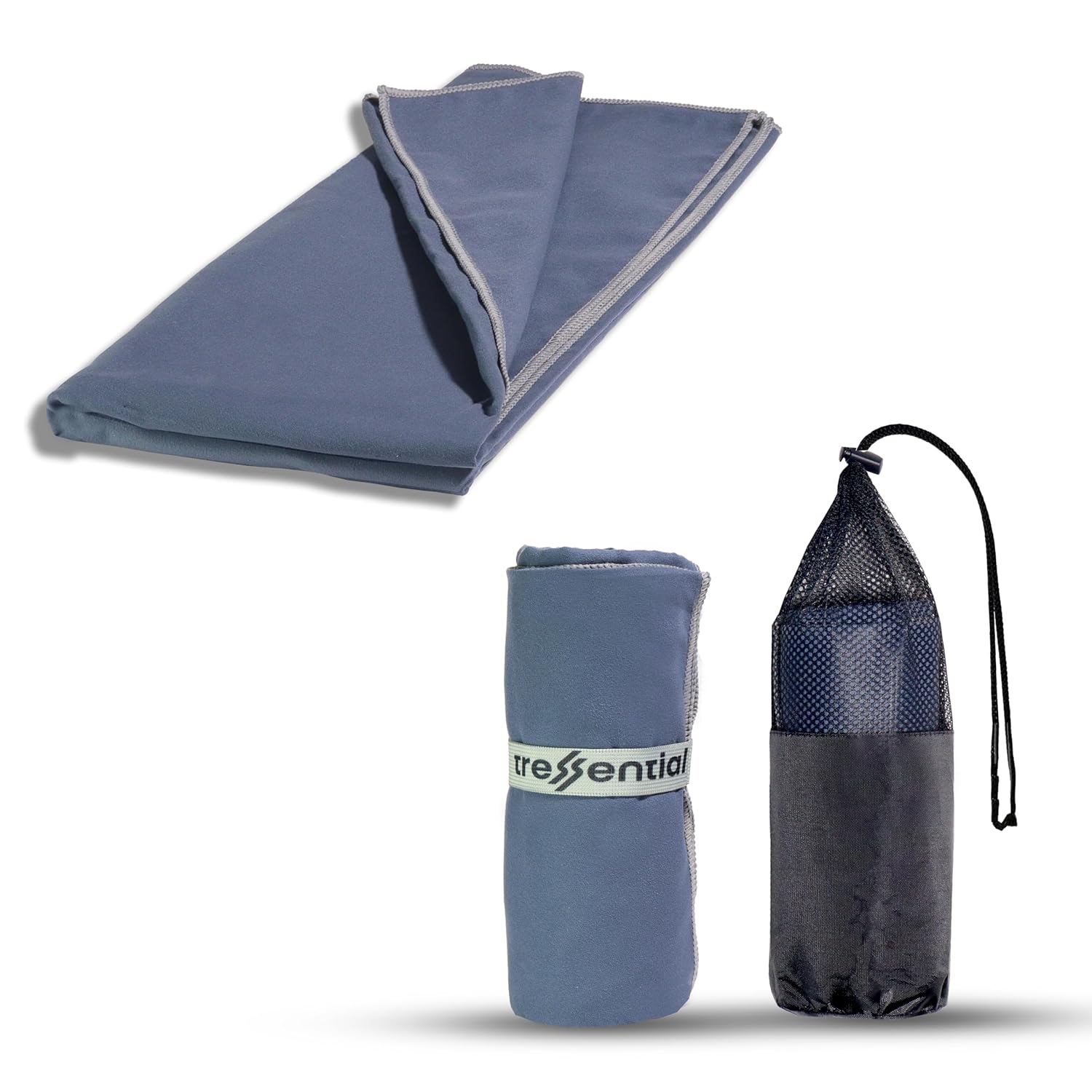
- ✅No Wet Smell: Dries in minutes so you don't carry a heavy, smelly towel in your bag.
- ✅Super Tiny: Folds into a small pouch, leaving more room for warm clothes.
- ✅Gentle: Ultra-soft fabric that is perfect for cold weather skin care.

- ✅High Altitude Protection: Himalayan sun is harsh and causes severe tanning & burns.
- ✅Non-Greasy: Doesn't feel oily while trekking or sweating.
- ✅Sweat Resistant: Stays on your skin even during high-intensity walking.

- ✅Dual Protection: Ponchos are good, but this ensures no water enters your bag.
- ✅Reflective Logo: Helps others see you in heavy mist or night treks.
- ✅Universal Fit: Fits perfectly on all 30L to 60L trekking backpacks.
Transportation is the backbone of your budget. A private taxi from Rishikesh to Sonprayag can cost you anywhere between ₹5,000 to ₹7,000—a total budget killer for a solo traveler. The secret to a low-cost trip is using Shared Jeeps (Maxx) and GMOU/Himgiri Buses. These services start as early as 4:00 AM from the Rishikesh ISBT and Natraj Chowk. A bus ticket will cost you around ₹450-₹600, while a seat in a shared jeep costs about ₹700-₹800.
Once you reach Sonprayag, you cannot take your vehicle further. You must take the local government-regulated shuttle to Gaurikund, which costs a fixed ₹50 per person. Total round-trip transport from Rishikesh to Gaurikund will cost you roughly ₹1,500. The key is to be early; if you reach the stand late, you might miss the shared options and be forced to wait or pay for a private lift. Always factor in the “Hill Entry” and “Green Cess” if you are driving your own bike, but for a true budget solo trip, public transport is the winner. By choosing buses over taxis, you save enough money to cover your entire food expenses for the trip.
3. Accommodation Strategy: Dormitories and Government Tents
Where you sleep will determine if you stay within your budget. In Kedarnath, private hotels near the temple are notorious for “Spot Pricing.” During a rush, a room that should cost ₹1,000 can be sold for ₹6,000. As a solo traveler, avoid private hotels. Your best friends are GMVN (Garhwal Mandal Vikas Nigam) dormitories and local ashrams. A bed in a GMVN tent or a dormitory in the Nandi Complex or Sumeru Tent Colony will cost you between ₹600 to ₹1,000 per night.
Booking these in advance through the official website is mandatory if you want to save money. If you reach without a booking, head straight to the Tirth Purohit Dharamshalas. They offer basic rooms at much lower rates for solo pilgrims. Staying in a dormitory is also a great way to meet fellow solo travelers, potentially finding a partner for the trek. Remember, the goal is sleep, not luxury. The temperature at night drops to sub-zero, so ensure your dormitory provides adequate blankets. By spending ₹800/night instead of ₹3,000, you keep your 4-day accommodation cost around ₹2,400, which is perfect for a budget-focused Yatra.
4. Food and Hydration: Sustaining Your Energy on a Budget
Eating in the mountains can be tricky. As you go higher, the price of food increases because everything is carried up by mules or porters. A simple Maggi can cost ₹100, and a tea can be ₹50. To manage a solo budget, stick to Standard Thalis. Most dhabas in Bheembali, Lincholi, and Kedarnath base camp serve a fixed thali (Dal, Rice, Roti, Sabzi) for ₹200-₹300. This is the most filling and safest meal for your stomach.
Another massive money-saver is hydration. A bottle of water at the temple can cost ₹80. Instead of buying plastic bottles, carry a sturdy 2-liter bottle and refill it at the Filtered Water Points installed along the 16km trek. This alone can save you ₹600 over four days. Also, carry dry fruits, roasted Chana, and glucose biscuits from Rishikesh. These “high-energy” snacks will prevent you from buying expensive snacks on the trail. If you see a Bhandara (free community kitchen), don’t hesitate to eat there—it’s part of the spiritual culture and perfectly safe. By following this strategy, you can keep your daily food cost under ₹600, totaling ₹2,400 for the trip.
5. Gear and Essentials: What to Carry vs. What to Buy
Many solo travelers overspend by buying expensive trekking gear they will only use once. For Kedarnath, you don’t need “Professional Himalayan Gear.” You need layers. Instead of a ₹5,000 heavy jacket, use the Layering System: a thermal inner, a t-shirt, a fleece, and a basic windcheater. You can buy good quality thermals and gloves in the Rishikesh market for a fraction of the price at Gaurikund.
One essential item you must invest in is a high-quality Raincoat or Poncho. Do not rely on the ₹50 plastic ones sold on the trail; they tear in ten minutes. Buy a sturdy one for ₹500. If you don’t want to buy a trekking pole, you can rent a wooden stick at Gaurikund for ₹30—it’s just as effective. Carry a small power bank because cold weather drains phone batteries instantly, and charging points in dorms are rare. By packing smart and buying local essentials in the plains, you avoid the “Tourist Tax” at high altitudes, keeping your miscellaneous gear spending under ₹1,500.
6. Expert Review & Safety: The Hidden Costs of Solo Travel
After 10 years of monitoring Himalayan routes, our expert review at DreamTripGuide is simple: Budgeting for Kedarnath is 50% math and 50% weather luck. The biggest “hidden cost” is a landslide. If the road is blocked, you might be stuck in a village for an extra day, which means extra food and room costs. Always keep a ₹2,000 Buffer Fund that you do not touch unless it’s an emergency.
Also, solo safety is paramount. Always keep your 2026 Yatra Registration QR Code printed and in your pocket. Inform your family of your location every time you get a signal. For budget travelers, walking the 16km is the only way to stay under ₹8,000. If your health fails and you need a pony, it will cost you ₹3,000 extra. Therefore, physical fitness is actually a “money-saving” tool. Prepare your legs a month before the trip. In conclusion, a solo Kedarnath trip is absolutely doable on a budget if you prioritize your needs over your wants. It’s a journey of a lifetime that proves you don’t need a fortune to find peace in the house of Lord Shiva.
Frequently Asked Questions (FAQs)
What is the absolute minimum budget for a solo Kedarnath trip in 2026?
A realistic budget for a 4-day solo trip starting from Rishikesh is between ₹7,300 and ₹9,500. This assumes you are using shared transport, staying in dormitories, and trekking on foot.
Is it safe for solo travelers to trek at night?
While the temple area is safe, you should never attempt the 16km trek after sunset. Stay the night at Gaurikund instead to avoid risks from cold winds or wild animals.
Can I rely on UPI payments at the Kedarnath base camp?
No, digital payments often fail due to poor network coverage at high altitudes. Always keep at least ₹4,000 in physical cash for emergencies.
Which mobile network provides the best connectivity?
Jio and BSNL are generally the most reliable in the region, though coverage remains patchy during bad weather.
How do I find the cheapest accommodation?
Avoid private hotels and book GMVN (Government) dormitories or tents online in advance to secure fixed, budget-friendly rates.
Is ₹5,000 enough for a Kedarnath trip?
For a 2-day trip, it might work, but for a realistic 4-day solo journey in 2026, you need at least ₹7,500 – ₹8,000. This covers shared transport, GMVN dorms, and basic meals.
Is Kedarnath safe for solo female travelers?
Yes, it is very safe. However, ensure you stay in registered GMVN dorms and complete your trekking during daylight hours for maximum safety.
Which month is cheapest for Kedarnath?
September and October are generally the cheapest months. The summer rush of May-June is over, so accommodation prices stabilize.
Can I stay in Kedarnath without a booking?
It is very risky. In peak season, rooms can cost up to ₹5,000. Always try to book government tents or dorms online at least 15 days in advance.
Does UPI work in Kedarnath?
No, digital payments are unreliable due to poor network. Always carry at least ₹4,000 in physical cash for your solo trip.
10 Essential “Do’s” for Your Solo Journey
- Register Early: Complete your mandatory 2026 Yatra Registration online weeks in advance to get your QR pass.
- Use Shared Transport: Reach Rishikesh bus stands (ISBT or Natraj Chowk) by 5:00 AM to catch the first shared jeeps or buses to Sonprayag.
- Pack a Quality Raincoat: Invest in a sturdy poncho rather than cheap plastic ones; mountain rain is unpredictable and freezing.
- Stay Hydrated for Free: Carry a refillable bottle and use the filtered water points along the trek to save money on bottled water.
- Maintain a Buffer Fund: Always keep an extra ₹2,000 to ₹3,000 specifically for unexpected weather delays or landslides.
- Eat Local Thalis: Stick to simple Dal-Chawal thalis at local dhabas; they are the most nutritious and budget-friendly meals at high altitudes.
- Carry a Power Bank: Cold temperatures drain phone batteries quickly; a power bank is essential since charging points in shared dorms are limited.
- Verify Your Porter/Pony: If you hire help, always take a photo of the official registration card and ID of the service provider.
- Layer Your Clothing: Use a layering system (thermals + fleece + jacket) instead of one heavy coat to manage changing mountain temperatures.
- Keep Family Informed: Regularly update your family on your location whenever you find a mobile signal.
