

Planning your Kedarnath Yatra in 2026? Read this ultimate 3,000-word guide on Kedarnath Basket (Kandi) prices, official rates, booking hacks, luggage weight limits, and expert safety tips for solo and family pilgrims.
1. Introduction to Kedarnath Kandi (Basket) Services: What is it?
The spiritual trek to Kedarnath Dham, situated at an elevation of 11,755 feet in the Garhwal Himalayas, is a lifetime journey for millions. However, the 16-kilometer trek from Gaurikund to the temple plaza is physically demanding, featuring steep inclines, uneven stone paths, and highly volatile weather. For senior citizens, children, physically challenged pilgrims, or those carrying heavy backpacks, walking the entire distance is nearly impossible. This is where the traditional Kandi (Basket) services play a vital role.
A Kandi is a sturdy, traditional wicker basket woven from local bamboo or ringal wood. It is open at the top, supported by strong ropes, and carried on the back of a professional local porter (often referred to as a Kandi-wala or Pitthu). There are two main uses for Kandi services on the trail:
- Luggage Carriage: Transporting your rucksacks, suitcases, or gear duffel bags up to the temple so you can trek hands-free.
- Passenger Carriage: Carrying children (usually under 5-6 years) or small-stature adults who cannot walk or ride a pony.
For solo travelers and family groups alike, understanding how the Kandi system works in 2026 is crucial. Unlike private pony operators, Kandi porters offer a highly personalized service, navigating narrow shortcuts where ponies cannot go. At DreamTripGuide, we advocate for ethical travel. Understanding the hard work these porters put in—and knowing the official government-approved rates—ensures that you do not get scammed by middlemen while ensuring the porters get paid fairly for their grueling physical labor.
🏔️ Kedarnath Yatra Checklist 2026: 12 Must-Have Items for a Successful Trek

- ✅Altitude Protection: Prevents breathlessness and headaches caused by low oxygen levels at Kedarnath top.
- ✅Instant Energy: Helps you recover faster during the steep 16km trek from Gauri Kund.
- ✅Lightweight: Fits easily in your side pocket and weighs almost nothing.

- ✅Unbeatable Grip: Anti-skid soles designed specifically for slippery mountain rocks and mud.
- ✅100% Waterproof: Keeps your feet dry during sudden rains or while crossing small streams.
- ✅Ankle Support: Prevents injuries on the uneven zig-zag paths of the Kedar valley.

- ✅Total Coverage: Covers you and your large backpack completely during heavy mountain rains.
- ✅Quick Dry: Much better than heavy raincoats; it's light and dries in minutes.
- ✅Windproof: Blocks the freezing cold winds that follow the rain at high altitudes.

- ✅Heat Retention: Advanced fabric that locks body heat even when the temperature drops to 0°C.
- ✅Odour Resistant: Can be worn for multiple days without feeling unhygienic.
- ✅Slim Fit: Fits comfortably under your regular clothes without looking bulky.

- ✅Cold Protection: Battery dies fast in cold weather; this ensures your phone stays alive for photos.
- ✅Massive Capacity: Charge your phone and camera 4-5 times fully during the trip.
- ✅Fast Charging: Don't waste time at charging points in tea stalls.

- ✅Knee Support: Reduces 25% of the pressure on your knees during the steep descent.
- ✅Better Balance: Essential for crossing slippery patches or walking in narrow trails.
- ✅Anti-Shock: Absorbs ground impact to prevent wrist and shoulder pain.

- ✅12H Hot: Keep hot water/tea ready to fight the freezing cold of the Himalayas.
- ✅BPA Free: Safe and healthy stainless steel that won't rust.
- ✅Strong Body: Survives accidental drops on rocky terrains easily.

- ✅Mountain Ready: Contains pain sprays, bandages, and altitude sickness tablets.
- ✅Lightweight: Small enough to fit in any backpack side pocket.
- ✅Must Have: Medical help is far away on the trek; be your own first responder.
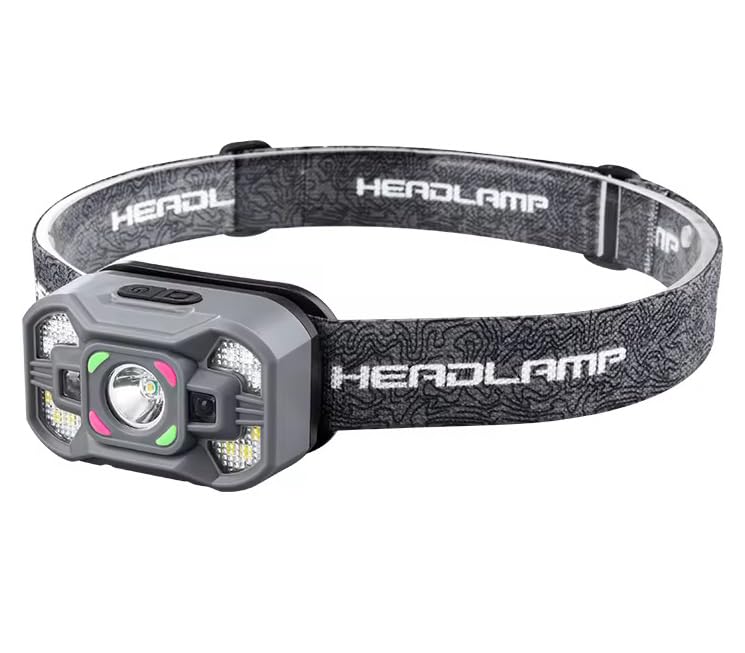
- ✅Hands-Free: Essential for early morning treks (3 AM) so you can use trekking poles freely.
- ✅High Brightness: Powerful beam that covers up to 100 meters clearly.
- ✅Weatherproof: Continues to work even during rain or heavy mist.
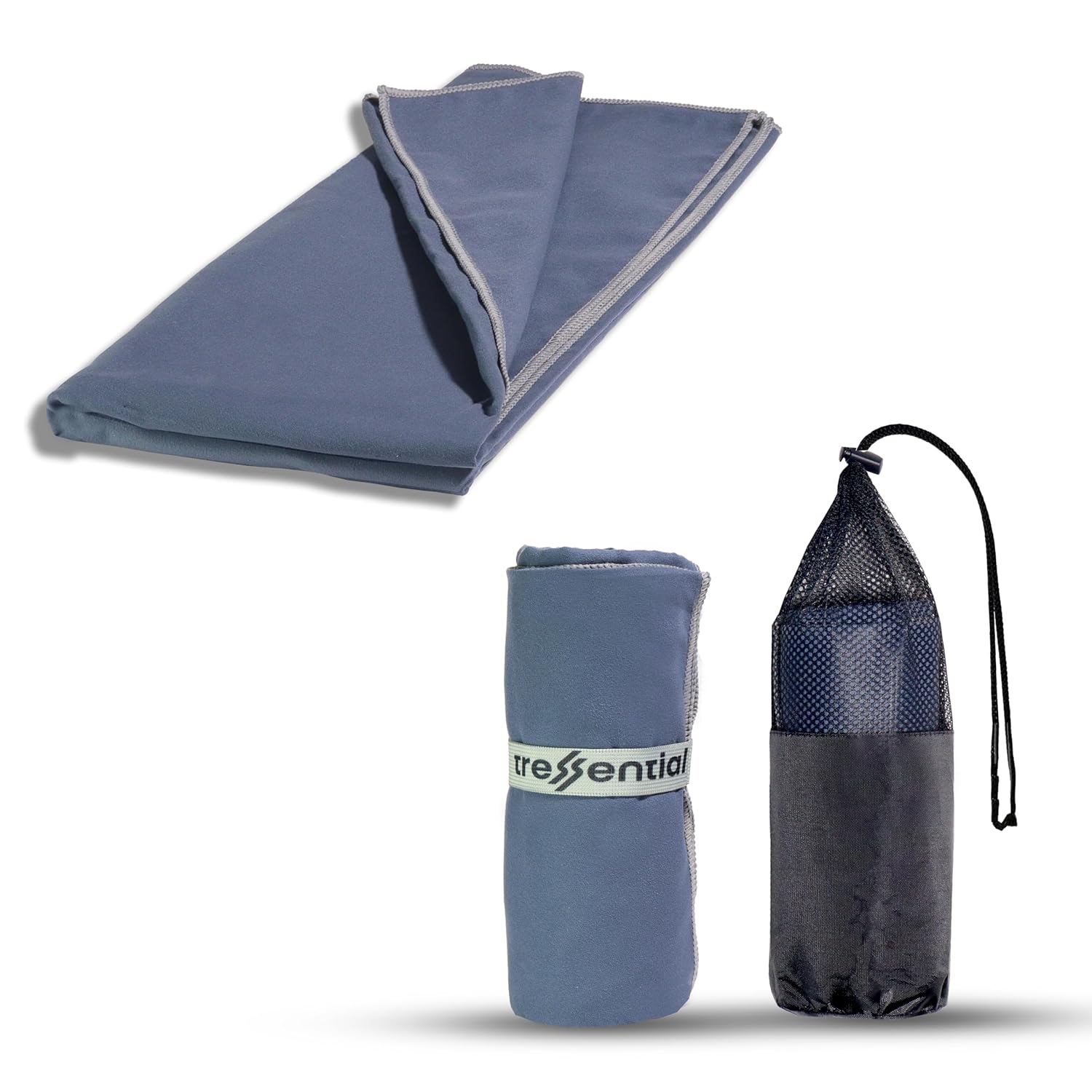
- ✅No Wet Smell: Dries in minutes so you don't carry a heavy, smelly towel in your bag.
- ✅Super Tiny: Folds into a small pouch, leaving more room for warm clothes.
- ✅Gentle: Ultra-soft fabric that is perfect for cold weather skin care.

- ✅High Altitude Protection: Himalayan sun is harsh and causes severe tanning & burns.
- ✅Non-Greasy: Doesn't feel oily while trekking or sweating.
- ✅Sweat Resistant: Stays on your skin even during high-intensity walking.

- ✅Dual Protection: Ponchos are good, but this ensures no water enters your bag.
- ✅Reflective Logo: Helps others see you in heavy mist or night treks.
- ✅Universal Fit: Fits perfectly on all 30L to 60L trekking backpacks.
2. Official Kedarnath Kandi Rates for 2026: The Price Breakdown
In 2026, the administration of Rudraprayag, along with the Uttarakhand tourism department, has enforced strict price regulations to prevent the exploitation of pilgrims. Rates are highly standardized based on the distance traveled and the weight of the luggage or passenger. There are biometric registration counters at Sonprayag and Gaurikund where you can book these services officially.
The rates are divided into two main categories: Gaurikund to Kedarnath (Ascent) and Kedarnath to Gaurikund (Descent). Typically, carrying luggage uphill costs more due to the physical strain of the vertical climb. Downhill rates are slightly lower but still regulated.
Official 2026 Kandi Price List (Up to 25 kg Luggage / Child)
| Route | Service Type | Weight Limit | Official Rate (INR) |
| Gaurikund to Kedarnath | Uphill Journey (One Way) | Up to 15 kg | ₹1,200 – ₹1,500 |
| Gaurikund to Kedarnath | Uphill Journey (One Way) | 15 kg to 25 kg | ₹1,800 – ₹2,200 |
| Kedarnath to Gaurikund | Downhill Journey (One Way) | Up to 15 kg | ₹1,000 – ₹1,200 |
| Kedarnath to Gaurikund | Downhill Journey (One Way) | 15 kg to 25 kg | ₹1,500 – ₹1,800 |
| Gaurikund to Kedarnath (Round Trip) | Same Porter (Same/Next Day) | Up to 20 kg | ₹3,200 – ₹3,600 |
Note: If the weight exceeds 25 kg, porters may charge an additional ₹100 to ₹150 per extra kilogram, subject to physical limitations.
3. Kandi vs. Pony vs. Doli: Which One Should You Choose?
When you arrive at Gaurikund, you will be flooded with options: Ponies (Khachhar), Dolis (Palanquins), Pitthus, and Kandis. Making the right choice depends entirely on your physical fitness, budget, and what exactly you need to transport.
Ponies are the most common transport method, but they come with heavy vibration, smell, and a fear of heights for many first-time travelers. Dolis are highly expensive (often costing ₹8,000 to ₹10,000) and are reserved for those who cannot sit on a horse. Kandi, on the other hand, is a highly flexible, budget-friendly, and stable option, especially for transporting kids and bulky rucksacks.
Comparative Analysis: Kandi vs. Pony vs. Doli
| Feature | Kandi (Basket) | Pony (Khachhar) | Doli (Palanquin) |
| Best For | Luggage, Children, Small Adults | Average Adults, Fast Travel | Elderly, Severely Unfit |
| Average Cost | ₹1,200 – ₹2,200 | ₹2,500 – ₹3,500 | ₹8,000 – ₹12,000 |
| Physical Comfort | Very Stable (No Jerks) | High Jerks, Mountain Sickness | Comfortable but Slow |
| Availability | Extremely High at Base Camp | High (Can have long queues) | Limited / Needs Booking |
| Trail Flexibility | Can take pedestrian shortcuts | Limited to main muddy trails | Requires wide paths |
4. Booking Process: How to Hire a Verified Kandi Porter
One of the biggest mistakes pilgrims make is hiring unregistered porters from roadside bypasses. This poses a massive security risk, as your expensive luggage or even your child is in their hands. In 2026, the local administration has made biometric registration mandatory for all porters.
To book a verified Kandi porter, follow this step-by-step process:
- Locate the Booking Counter: Arrive at the official booking counter located near the Gaurikund Horse Stand or the Sonprayag registration office.
- Weighing the Luggage: Your bags will be placed on an official weighing scale. The rate card will be determined strictly based on this reading.
- Porter Allocation: The desk officer will assign you a registered porter who wears an official high-visibility jacket with a unique ID number.
- Slip Generation: You will receive a booking slip. Pay the designated amount at the counter or directly to the porter as per the slip’s instructions.
- Keep the Slip Safe: Do not lose this receipt. It contains the porter’s name, phone number, biometric ID, and emergency contact numbers.
Hiring a Kandi: Pros and Cons
| Pros (Fayde) | Cons (Nuksan) |
| Hands-Free Trekking: You can climb easily without carrying a heavy 10 kg backpack. | Weight Limits: Strict 25 kg cap; cannot carry heavy suitcases. |
| Child-Friendly: Safest way to transport toddlers who are too small for horses. | Human Labor: Can feel emotionally difficult to watch someone carry your weight. |
| Cost-Effective: Much cheaper than hiring a private horse or a Doli. | Pace Dependent: You must match your walking speed with the porter’s speed. |
5. Luggage Rules & Packaging Strategy for Kandi
If you are planning to send your luggage up to Kedarnath via a Kandi basket, you cannot just hand over loose shopping bags or unsecured suitcases. The trail is dusty, muddy, and highly prone to sudden rainstorms. Your packing strategy must protect your belongings from both physical damage and water soakage.
The Perfect Packing Blueprint for Kandi Carriage
- Use a Heavy-Duty Backpack: A rugged 50L to 60L rucksack with strong straps is ideal. Soft duffel bags are also highly compatible with the curved shape of a Kandi basket. Avoid hard-shell suitcases because they don’t sit comfortably in the round basket and can damage the porter’s back.
- Waterproofing is Mandatory: Pack everything inside your bag in heavy-duty plastic garbage bags first. Even if your rucksack has a rain cover, torrential Himalayan rain will seep through during a 6-hour trek.
- The “Double Bag” Rule: If you are carrying sensitive electronics like chargers, cameras, or extra power banks, wrap them in ziplock pouches and keep them in your personal daypack instead of sending them in the luggage basket.
- Security Lock: Always use a small TSA padlock on your luggage chain. While registered porters are highly honest, solo dorm stays can be unpredictable. Locking your bag ensures complete peace of mind.
6. Expert Review: Ethical Tourism & Porter Welfare
As travel bloggers and responsible citizens at DreamTripGuide, we believe that tourism should support local mountain communities. The porters carrying Kandi baskets are mostly locals from Uttarakhand or neighboring mountain states who do this extremely tough physical work to support their families.
The Human Element of the Kedarnath Trek
- Respect their physical limit: Do not force or bribe a porter to carry more than the legal limit of 25 kg. It is hazardous to their health and can cause fatal slips on narrow trails.
- Tipping Culture: While tipping is not mandatory, giving a small tip of ₹100-₹200 or buying them a hot cup of tea/meal at mid-way dhabas like Bheembali or Rambara goes a long way.
- Pacing and Coordination: Keep a steady line of communication. Ask for your porter’s mobile number, and ensure you both agree on a meeting point near the temple (such as the GMVN office or a specific landmark). Since networks like Jio and BSNL work at the top, staying in touch is highly manageable.
7. Critical Dos and Don’ts for Hiring a Kandi in Kedarnath
To ensure your luggage or family members reach the top safely without any disputes, you must follow strict travel protocols. Here is a definitive list of Dos and Don’ts for 2026:
What to Do (Kya Karein):
- DO Verify the ID: Always check the porter’s official ID card and take a photo of it on your phone before handing over your luggage.
- DO Weigh Accurately: Pack your bags at your hotel in Sonprayag using a portable digital scale so there are no surprises at the official counter.
- DO Keep Essentials with You: Carry a small 10L daypack containing your medicine, cash, registration QR code, power bank, and poncho. Never put these in the porter’s basket.
- DO Decide the Meeting Point: Clearly specify where you will meet at the top (e.g., Temple VIP gate, GMVN Swargarohini, etc.).
What NOT to Do (Kya Na Karein):
- DON’T Hire Privately: Never hire a porter without an official booking slip. If they slip away with your luggage, tracking them without biometric data is impossible.
- DON’T Bargain Below Official Rates: The government rates are calculated keeping mountain inflation and extreme labor in mind. Do not exploit the porters.
- DON’T Put Fragile Items: Never pack glass items, laptops, or expensive SLR lenses in the basket luggage. The movement is bumpy and can cause breakage.
- DON’T Lose the Receipt: The receipt is your insurance. Keep it dry and safe in a plastic zip pouch inside your pocket.
FAQs (Frequently Asked Questions)
Q1. What is the weight limit for a Kandi in Kedarnath?
The official maximum weight limit for a Kandi basket is 25 kg for luggage or a child. For safety reasons, porters are strictly prohibited from carrying loads heavier than this.
Q2. How is Kandi different from Pitthu?
A Kandi uses a structured wooden/bamboo basket to carry the load, which is safer for carrying children and soft bags. A Pitthu porter carries bags directly on their back using shoulder straps without a basket frame.
Q3. Can a Kandi carry an adult to Kedarnath?
Kandis are generally meant for children, luggage, or small-framed, lightweight individuals (under 45-50 kg). For average or heavy adults, hiring a Doli (Palanquin) or a Pony is the recommended option.
Q4. Where can I book a Kandi porter?
You can book them at the government-authorized biometric counters located at Sonprayag and Gaurikund. Avoid booking through third-party local agents.
Q5. Do I need to pay the porter in advance?
You pay a portion or the full amount at the official booking counter to get your receipt slip. Any remaining cash balance agreed on the slip should only be handed over once your luggage safely reaches the destination.
Q6. What happens if my luggage gets damaged or lost?
If you hire a registered porter, you can report any loss or damage at the SDRF/Police Police Chowki in Kedarnath or Gaurikund using your booking receipt. The biometric tracking system makes recovery highly successful.
Q7. Does UPI/Digital Payment work for paying porters?
While some porters accept Google Pay or PhonePe, mobile networks are highly unstable on the trail. It is mandatory to carry cash (at least ₹3,000 extra) for paying transit services.
Q8. Can I find a Kandi porter for the return journey (downhill)?
Yes, there is an official booking counter near the Kedarnath Temple plaza for the return journey down to Gaurikund. Rates are usually ₹200-₹300 cheaper for the descent.
Q9. Are Kandi services available during heavy rain or landslides?
Yes, local porters are highly resilient and continue to operate even when pony movements are temporarily suspended due to slippery tracks. However, in extreme weather, police may stop all movement for safety.
Q10. Can I track my porter’s live location?
No, there is no GPS tracking. You must coordinate via mobile calls (Jio/BSNL work best in the valley) or keep a similar walking pace alongside them.
Connect with Us on Social Media!
Are you planning your Himalayan adventure? For real-time updates on weather, direct booking hacks, and stunning trail reels of the 2026 season, follow our official Instagram page:
👉 Instagram ID: @dreamtripguide.india
👉 Also Read – Book Kedarnath Package
For complete itineraries, hotel reviews, and survival guides, keep reading DreamTripGuide. Safe travels on your spiritual path! Har Har Mahadev! 🏔️🙏✨
