

Planning your Kedarnath Yatra in 2026? Read this ultimate 3,000-word guide on official Kedarnath Pony (horse) rates, booking hacks, biometric verification, and expert tips to avoid overcharging.
1. Introduction to Kedarnath Pony (Khachhar) Services: An Overview
The sacred journey to Kedarnath Dham, nestled beautifully at an altitude of 11,755 feet in the Rudraprayag district of Uttarakhand, is a deeply spiritual experience. However, the physical reality of trekking 16 kilometers uphill from Gaurikund to the temple plaza can be incredibly daunting. With steep stone pathways, sudden oxygen drops, and unpredictable Himalayan rain, many pilgrims find themselves unable to complete the climb on foot. For senior citizens, families traveling with children, and those with physical limitations, Ponies (locally known as Khachhars or Horses) serve as the ultimate transit lifeline on the mountain trail.
Hiring a pony is the most popular alternative transport method on the Yatra. Thousands of registered horses operate daily between Gaurikund and the temple base. While walking allows you to absorb the scenic beauty slowly, a pony ride saves valuable physical energy, allowing you to reach the shrine in roughly 4 to 6 hours compared to the 8 to 10 hours required for walking. This section introduces you to the scale of pony operations in the Kedar Valley.
At DreamTripGuide, our goal is to prepare you for every mountain reality. While the pony system is highly organized on paper, the sheer rush of the peak season often leads to middleman scams, unauthorized operators, and massive price inflation. Knowing how the horse-allocation system works, how to spot genuine registered operators, and understanding the physical demands of riding on steep cliffs are the very first steps to ensuring a safe, stress-free, and spiritually fulfilling pilgrimage to Baba Kedar.
🏔️ Kedarnath Yatra Checklist 2026: 12 Must-Have Items for a Successful Trek

- ✅Altitude Protection: Prevents breathlessness and headaches caused by low oxygen levels at Kedarnath top.
- ✅Instant Energy: Helps you recover faster during the steep 16km trek from Gauri Kund.
- ✅Lightweight: Fits easily in your side pocket and weighs almost nothing.

- ✅Unbeatable Grip: Anti-skid soles designed specifically for slippery mountain rocks and mud.
- ✅100% Waterproof: Keeps your feet dry during sudden rains or while crossing small streams.
- ✅Ankle Support: Prevents injuries on the uneven zig-zag paths of the Kedar valley.

- ✅Total Coverage: Covers you and your large backpack completely during heavy mountain rains.
- ✅Quick Dry: Much better than heavy raincoats; it's light and dries in minutes.
- ✅Windproof: Blocks the freezing cold winds that follow the rain at high altitudes.

- ✅Heat Retention: Advanced fabric that locks body heat even when the temperature drops to 0°C.
- ✅Odour Resistant: Can be worn for multiple days without feeling unhygienic.
- ✅Slim Fit: Fits comfortably under your regular clothes without looking bulky.

- ✅Cold Protection: Battery dies fast in cold weather; this ensures your phone stays alive for photos.
- ✅Massive Capacity: Charge your phone and camera 4-5 times fully during the trip.
- ✅Fast Charging: Don't waste time at charging points in tea stalls.

- ✅Knee Support: Reduces 25% of the pressure on your knees during the steep descent.
- ✅Better Balance: Essential for crossing slippery patches or walking in narrow trails.
- ✅Anti-Shock: Absorbs ground impact to prevent wrist and shoulder pain.

- ✅12H Hot: Keep hot water/tea ready to fight the freezing cold of the Himalayas.
- ✅BPA Free: Safe and healthy stainless steel that won't rust.
- ✅Strong Body: Survives accidental drops on rocky terrains easily.

- ✅Mountain Ready: Contains pain sprays, bandages, and altitude sickness tablets.
- ✅Lightweight: Small enough to fit in any backpack side pocket.
- ✅Must Have: Medical help is far away on the trek; be your own first responder.

- ✅Hands-Free: Essential for early morning treks (3 AM) so you can use trekking poles freely.
- ✅High Brightness: Powerful beam that covers up to 100 meters clearly.
- ✅Weatherproof: Continues to work even during rain or heavy mist.
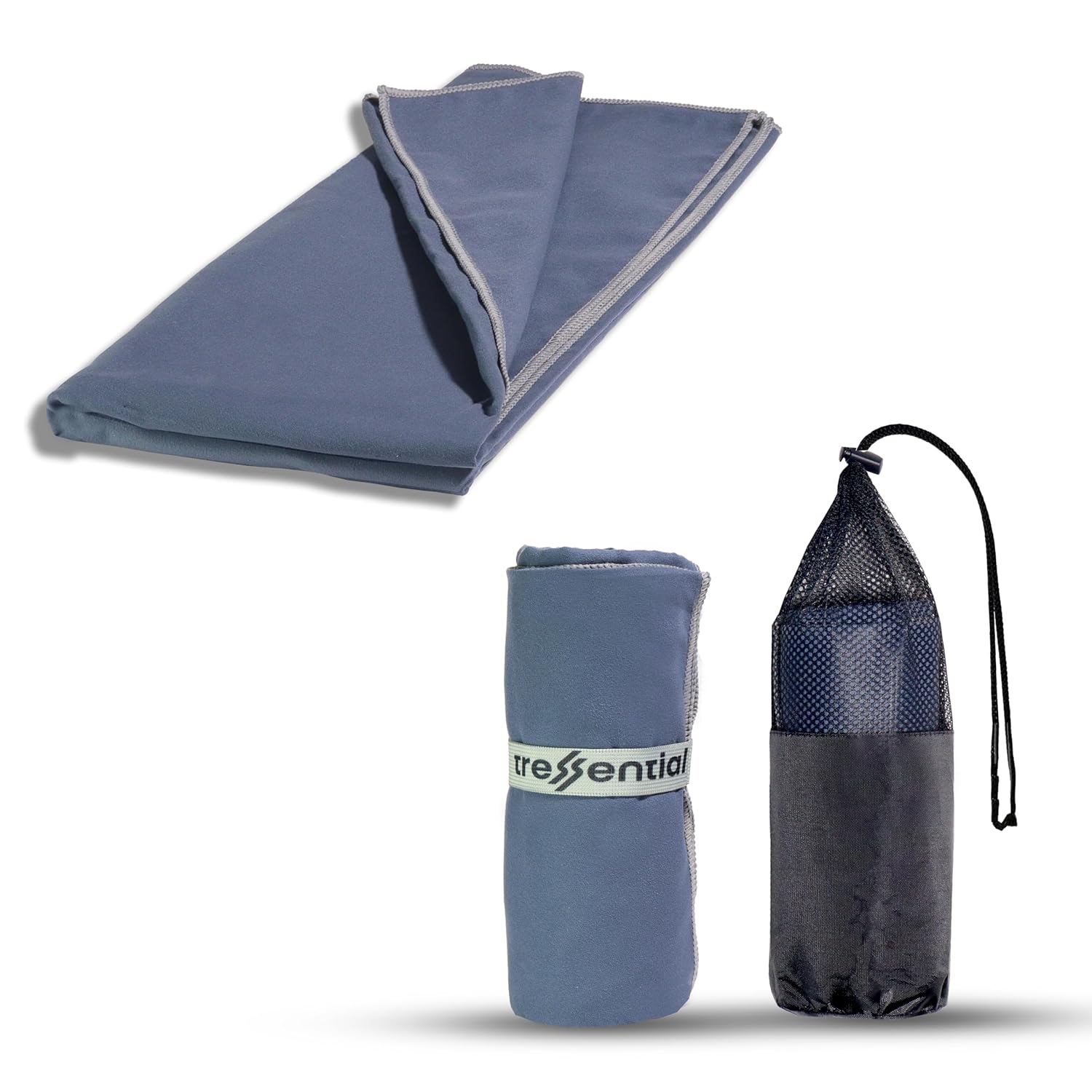
- ✅No Wet Smell: Dries in minutes so you don't carry a heavy, smelly towel in your bag.
- ✅Super Tiny: Folds into a small pouch, leaving more room for warm clothes.
- ✅Gentle: Ultra-soft fabric that is perfect for cold weather skin care.

- ✅High Altitude Protection: Himalayan sun is harsh and causes severe tanning & burns.
- ✅Non-Greasy: Doesn't feel oily while trekking or sweating.
- ✅Sweat Resistant: Stays on your skin even during high-intensity walking.

- ✅Dual Protection: Ponchos are good, but this ensures no water enters your bag.
- ✅Reflective Logo: Helps others see you in heavy mist or night treks.
- ✅Universal Fit: Fits perfectly on all 30L to 60L trekking backpacks.
2. Official Kedarnath Pony Rates for 2026: The Complete Tariff Card
In 2026, the local administration of Rudraprayag, along with the Uttarakhand Tourism Development Board (UTDB), has established strict, legally binding tariffs for pony services. These rates are calculated based on the precise distance, direction of travel (ascent vs. descent), and whether you are booking a one-way or round-trip ticket. The administration uses biometric barriers at Sonprayag and Gaurikund to enforce these price limits.
Pony bookings are categorized clearly to ensure transparency. The official rates are fixed, and no operator is legally allowed to charge even a rupee extra. If you book directly at the government counters, your transaction is secure, and you are issued a physical receipt with the pony’s official registration number and the operator’s contact details.
Official 2026 Kedarnath Pony Rate List
| Route Details | Direction | Weight Limit | Official Rate (INR) |
| Gaurikund to Kedarnath | Uphill (One-Way) | Up to 90 kg | ₹2,740 – ₹3,000 |
| Kedarnath to Gaurikund | Downhill (One-Way) | Up to 90 kg | ₹1,800 – ₹2,100 |
| Gaurikund to Kedarnath (Same Day Return) | Round-Trip | Up to 90 kg | ₹4,500 – ₹4,800 |
| Sonprayag to Kedarnath | Uphill (One-Way) | Up to 90 kg | ₹3,200 – ₹3,500 |
| Kedarnath to Sonprayag | Downhill (One-Way) | Up to 90 kg | ₹2,200 – ₹2,500 |
Note: Night charges or extreme weather operational surcharges may sometimes add a regulated ₹200 to ₹300 to the slip, which must be clearly printed on your official printed receipt.
3. The Dark Side of the Trail: How Pilgrims Get Overcharged & Scammed
Despite strict rules, “Pony Scams” remain a major issue on the route. Unregistered handlers often roam outside the official booking boundaries in Sonprayag, targeting tired pilgrims. They lure travelers with promises of immediate departure, bypasses of long lines, or “discounted rates” that quickly turn into extortion schemes once you are halfway up the mountain trail.
The most common scam involves the “Midway Abandonment.” Unscrupulous handlers might demand extra cash at Bheembali or Lincholi, claiming the horse is too tired or that the weather has worsened. If you refuse to pay, they may threaten to leave you and your luggage stranded on the dark mountain path. Another major trick is quoting a price per horse but later claiming that “handler charges” or “feed taxes” of ₹1,000 extra are not included in that price.
Understanding these deceptive strategies is the key to protecting yourself. By recognizing the warning signs—such as a handler refusing to go to the official booking counter, a horse lacking an official brass neck-tag, or a handler refusing to show their registration badge—you can easily shut down scam attempts. Always remember: the local police and SDRF are extremely active on the trail, and a single threat of reporting an unregistered handler to the authorities is usually enough to stop any overcharging attempts instantly.
4. Step-by-Step Guide: How to Securely Book a Registered Pony
To ensure you are fully protected under government travel laws and insurance policies, you must follow the official booking process. Never hand over physical cash to a handler on the roadside without a valid receipt.
The official booking system is designed to be highly secure. By booking through the designated channels, your transaction is recorded, the operator’s biometric data is verified, and you are covered under traveler safety policies in case of any accidents or disputes.
The Official Step-by-Step Booking Process:
- Arrive at the Government Counter: Head directly to the booking counters managed by the local administration at the Gaurikund Horse Stand or Sonprayag.
- Verify Your Yatra Registration: Show your mandatory 2026 Char Dham Yatra registration QR code to the counter executive.
- Payment and Receipt Generation: Pay the exact official rate via Cash or UPI at the counter. The executive will hand you a printed receipt containing the Ghora-Id (Horse Number) and the handler’s details.
- Match the Brass Tag: When you are allocated your pony, crosscheck the physical brass tag hanging around the horse’s neck with the number printed on your receipt.
- Keep the Slip Safe: Do not give your receipt to the handler until you have safely reached your destination at the Kedarnath base camp.
Hiring a Pony: Pros and Cons
| Pros (Fayde) | Cons (Nuksan) |
| Saves Energy: Keeps you physically fresh for temple darshan and long queues. | Physical Strain: Constant riding causes severe muscle soreness and backaches. |
| Saves Time: Reaches the temple plaza in 4-5 hours instead of 10 hours of walking. | Accident Risks: Horses can slip on wet stone steps or steep cliffs during rain. |
| Highly Reliable: Operates in misty and cold conditions where helicopters cannot fly. | Animal Welfare Concerns: Many horses are overworked and poorly treated by handlers. |
5. Safety and Riding Etiquette: Protecting Yourself and the Animal
Riding a horse on a steep, narrow mountain cliff at 11,000+ feet is not the same as riding in a flat park. It requires focus, balance, and a clear understanding of basic safety guidelines. Many injuries on the Kedarnath trail occur not because the horse slipped, but because the rider panicked or sat incorrectly during a steep ascent or descent.
First, your sitting posture is crucial. When the pony is climbing uphill, you must lean slightly forward to keep the center of gravity stable. Conversely, when going downhill, lean backward and grip the saddle handle tightly to prevent sliding forward. Never make sudden loud movements or scream, as horses are easily startled by sudden noises, which can cause them to lose their footing on narrow edges.
Furthermore, animal welfare is directly linked to your safety. A tired, dehydrated horse is much more likely to stumble. Make sure the pony you are assigned looks healthy and is not limping. Treat the handler with respect; if they are treating the animal harshly, gently ask them to stop. Ensure the horse is given a short rest and access to water at major stopover points like Rambara. Being a conscious and compassionate traveler makes the journey safer for both you and the animal.
6. Expert Review: Balancing Convenience with Responsible Travel
As travel experts at DreamTripGuide, we regularly analyze transit systems across the Himalayas. The pony system at Kedarnath is a logistical marvel, moving thousands of pilgrims daily through extremely rugged terrain. However, from an ethical standpoint, it is a highly complex system that requires conscious decision-making from every traveler.
The Ethical Traveler’s Perspective
- Evaluate Your True Physical Need: If you are young, fit, and healthy, we highly encourage you to walk. Reserve the pony services for those who truly need them—the elderly, children, and those with physical limitations. This reduces the strain on the mountain trail and the animals.
- Say No to Weight Violations: The strict weight limit is 90 kg. If you or your luggage exceed this limit, do not attempt to bribe handlers to let you ride. It is highly dangerous for your safety and cruel to the animal.
- Choose Mid-Way Options: If you get tired halfway through the trek, you don’t have to hire a horse from the start. You can walk up to Bheembali or Rambara and hire a pony from the registered mid-way checkposts for a prorated, cheaper fare.
7. Definitive Checklist: Dos and Don’ts for Kedarnath Pony Rides
To ensure you don’t face any issues, keep this quick-reference checklist handy on your phone while navigating the trail.
What to Do (Kya Karein):
- DO Take a Photo: Take a clear photo of the pony’s brass neck-tag and the handler’s ID card on your phone before starting the ride.
- DO Carry Cash: Ensure you have at least ₹3,000 to ₹4,000 in physical cash. Online UPI payments fail frequently due to poor network coverage on the cliffs.
- DO Wear Fitted Clothes: Wear comfortable, stretchable trekking pants. Avoid loose sarees or hanging dupattas that can get caught in the horse’s stirrups or saddle.
- DO Hold on Tight: Always keep both hands on the saddle handle, especially during steep, slippery turns.
What NOT to Do (Kya Na Karein):
- DON’T Pay Fully in Advance: Never give the entire cash amount to the handler at Gaurikund. Pay the official booking counter, and pay any cash tips or balances only after reaching the temple safely.
- DON’T Wear Heavy Backpacks While Riding: Do not wear a heavy rucksack while sitting on the horse; it throws off your balance. Hand the bag to the handler to carry or tie it safely to the saddle.
- DON’T Ride During Night Landslides: If there is a landslide warning or heavy rainfall at night, do not force the handler to travel. Stop at the nearest shelter immediately.
- DON’T Keep Your Feet Loose: Always keep your feet securely locked inside the metal stirrups (Pedals) to maintain complete body balance.
FAQs (Frequently Asked Questions)
Q1. What is the official pony rate from Gaurikund to Kedarnath in 2026?
The official uphill rate from Gaurikund to Kedarnath is between ₹2,740 and ₹3,000 for a one-way trip, depending on minor seasonal administrative updates.
Q2. Is there a strict weight limit for riding a pony?
Yes, the strict weight limit is 90 kg per person. Handlers can refuse service if a pilgrim exceeds this limit for safety and animal welfare reasons.
Q3. Can two people or a parent with a child ride a single pony?
No, double riding is strictly prohibited. However, a parent can sometimes carry a small toddler (under 2-3 years) if they stay within the safe weight limits, subject to approval at the booking counter.
Q4. What should I do if a pony handler demands more money midway?
Do not panic. Show them your official booking slip and refuse to pay extra. If they persist, tell them you are going to report their registration number to the nearest SDRF or Police Post on the trail.
Q5. Are pony bookings available online in advance?
While physical booking at Gaurikund and Sonprayag is the most common method, the GMVN and Uttarakhand Tourism portal offers advance booking options during peak season.
Q6. How long does it take to reach the temple on a pony?
A pony ride typically takes 4 to 6 hours to cover the 16km trek from Gaurikund, depending on trail traffic and weather conditions.
Q7. Do I need to pay extra for the horse handler?
No, the official rate printed on your booking slip is inclusive of the handler’s charges. Tipping is entirely optional and should only be done for excellent service.
Q8. Can I hire a pony for the return journey (downhill) from the top?
Yes, there is an official booking stand located near the Kedarnath Temple base camp. The downhill rates are cheaper, ranging from ₹1,800 to ₹2,100.
Q9. Is it safe to ride a pony in heavy rain?
Pony movement is generally safe in light rain, but during heavy downpours, the stone paths become extremely slippery. It is best to wait out heavy rain at a shelter.
Q10. What happens if a pony slips or an accident occurs?
All registered horses and riders booked through official counters are covered under basic administrative transit insurance. Immediately report any incidents to the nearest SDRF safety camp.
Connect with Us on Social Media!
Planning your next big adventure? For real-time weather updates, direct booking hacks, and stunning high-altitude travel reels of the 2026 season, follow our official Instagram community:
👉 Instagram ID: @dreamtripguide.india
For comprehensive itineraries, hotel reviews, and complete trekking manuals, keep reading DreamTripGuide. Safe travels on your sacred journey! Har Har Mahadev! 🏔️🐎✨
👉 Also Read – Book Kedarnath Package
