
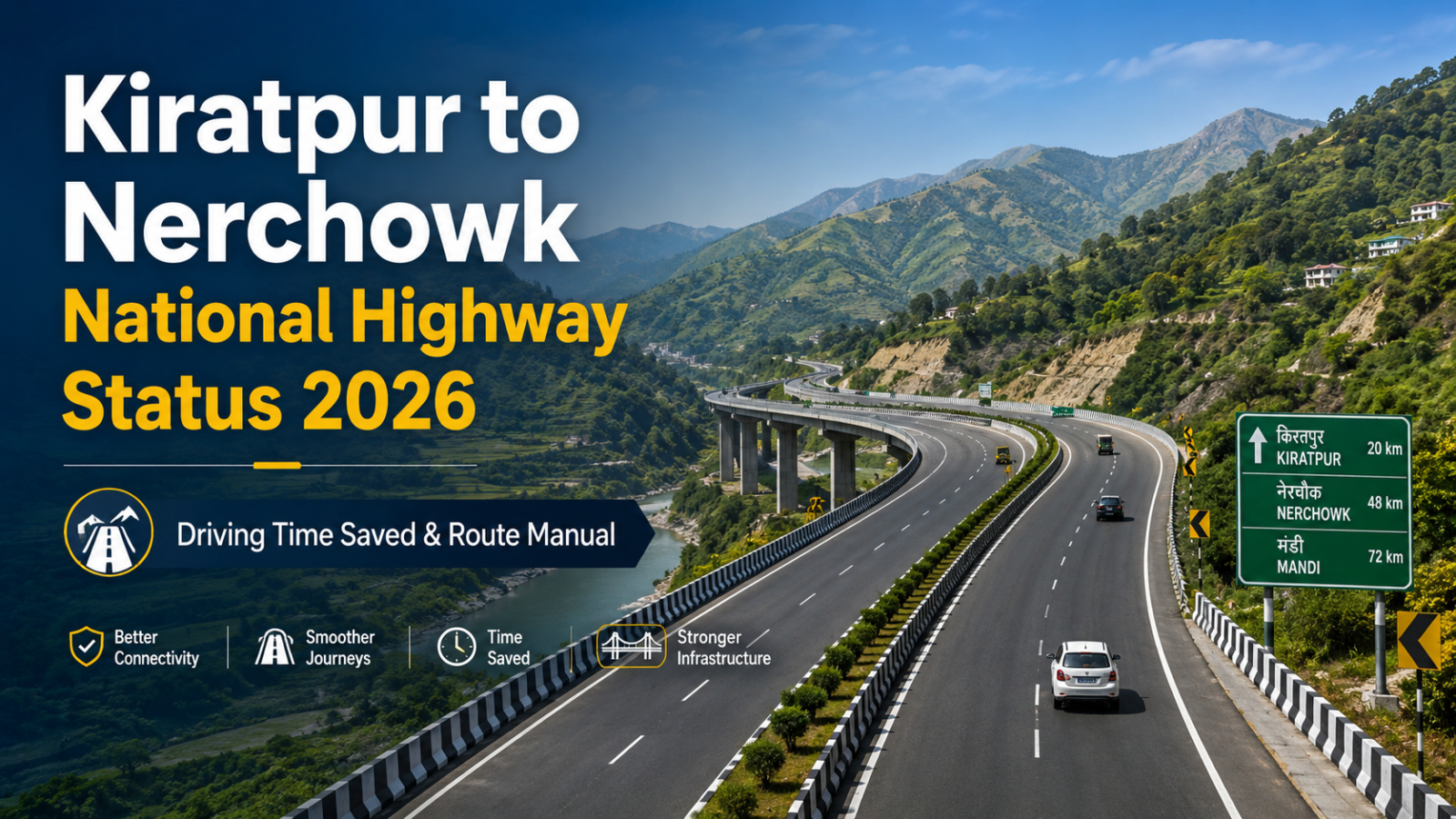
Want to skip the brutal Swarghat traffic jams? Read our definitive 3,000-word Kiratpur to Nerchowk national highway status manual for 2026. Master the speed limits, tunnel safety protocols, and transit time cuts.
1. The Himalayan Breakthrough: Introduction to the New NH-21 Corridor
For decades, planning a road trip or motorcycle expedition from Delhi NCR to the mountain hubs of Manali, Lahaul, or Spiti Valley meant preparing yourself for a brutal, exhausting driving phase through the lower foothills of Punjab and Himachal Pradesh. The traditional crossing via Swarghat, Bilaspur, and the narrow, bottlenecked loops of the old National Highway 21 was notorious for multi-hour structural traffic gridlocks, heavily smoking multi-axle trucks, and dangerous unpaved shoulders that drained a driver’s mental energy long before the real alpine beauty even began. However, the operational landscape of Himalayan transit has undergone a massive change. The full activation of the Kiratpur to Nerchowk National Highway section (NH-21) has completely rewritten the transit architecture of North India.
When self-drive enthusiasts and solo riders search for the Kiratpur to Nerchowk national highway status, they are investigating a masterfully engineered infrastructure marvel. This new alignment utilizes a complex system of 5 major escape tunnels, 22 high-deck bridges, and wide, sweeping four-lane structural layouts that slice straight through the volatile terrain of the lower Shivalik hills. At DreamTripGuide, we treat road tripping not just as a casual vacation, but as a system of mechanical efficiency. By bypassing the traditional hazardous chokepoints, this expressway corridor doesn’t just offer a smooth driving surface; it directly impacts your vehicle’s engine health, brake pads preservation, and overall fuel mapping. Whether you are navigating a low-clearance premium sedan or cruising on a heavy-capacity adventure touring motorcycle, understanding this transition zone is vital. This 3,000-word comprehensive manual serves as your raw on-ground navigation blueprint, detailing every single tunnel crossing, active speed detection loop, and fuel station hub to ensure your transit remains flawless.
🏔️ Kedarnath Yatra Checklist 2026: 12 Must-Have Items for a Successful Trek

- ✅Altitude Protection: Prevents breathlessness and headaches caused by low oxygen levels at Kedarnath top.
- ✅Instant Energy: Helps you recover faster during the steep 16km trek from Gauri Kund.
- ✅Lightweight: Fits easily in your side pocket and weighs almost nothing.

- ✅Unbeatable Grip: Anti-skid soles designed specifically for slippery mountain rocks and mud.
- ✅100% Waterproof: Keeps your feet dry during sudden rains or while crossing small streams.
- ✅Ankle Support: Prevents injuries on the uneven zig-zag paths of the Kedar valley.

- ✅Total Coverage: Covers you and your large backpack completely during heavy mountain rains.
- ✅Quick Dry: Much better than heavy raincoats; it's light and dries in minutes.
- ✅Windproof: Blocks the freezing cold winds that follow the rain at high altitudes.

- ✅Heat Retention: Advanced fabric that locks body heat even when the temperature drops to 0°C.
- ✅Odour Resistant: Can be worn for multiple days without feeling unhygienic.
- ✅Slim Fit: Fits comfortably under your regular clothes without looking bulky.

- ✅Cold Protection: Battery dies fast in cold weather; this ensures your phone stays alive for photos.
- ✅Massive Capacity: Charge your phone and camera 4-5 times fully during the trip.
- ✅Fast Charging: Don't waste time at charging points in tea stalls.

- ✅Knee Support: Reduces 25% of the pressure on your knees during the steep descent.
- ✅Better Balance: Essential for crossing slippery patches or walking in narrow trails.
- ✅Anti-Shock: Absorbs ground impact to prevent wrist and shoulder pain.

- ✅12H Hot: Keep hot water/tea ready to fight the freezing cold of the Himalayas.
- ✅BPA Free: Safe and healthy stainless steel that won't rust.
- ✅Strong Body: Survives accidental drops on rocky terrains easily.

- ✅Mountain Ready: Contains pain sprays, bandages, and altitude sickness tablets.
- ✅Lightweight: Small enough to fit in any backpack side pocket.
- ✅Must Have: Medical help is far away on the trek; be your own first responder.

- ✅Hands-Free: Essential for early morning treks (3 AM) so you can use trekking poles freely.
- ✅High Brightness: Powerful beam that covers up to 100 meters clearly.
- ✅Weatherproof: Continues to work even during rain or heavy mist.
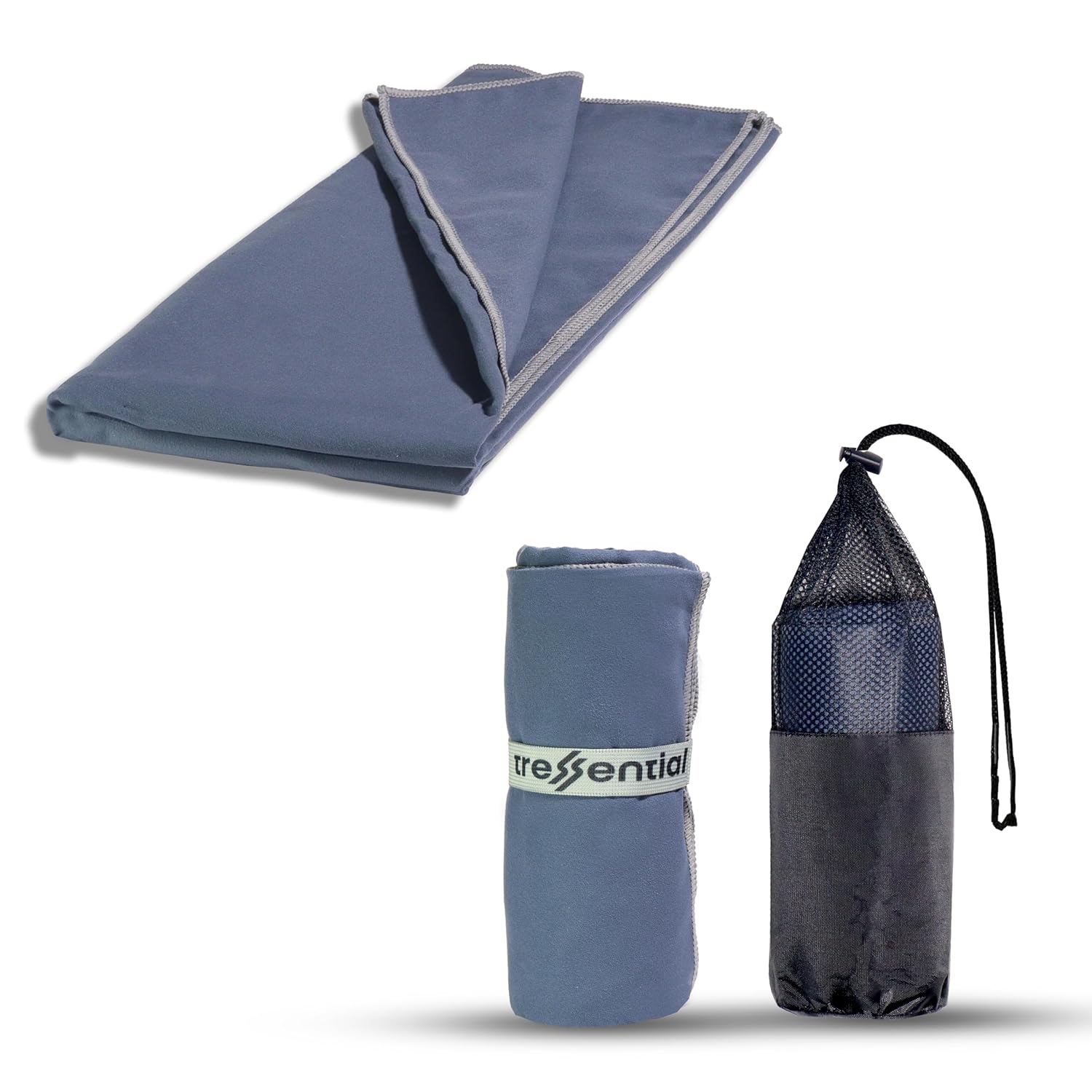
- ✅No Wet Smell: Dries in minutes so you don't carry a heavy, smelly towel in your bag.
- ✅Super Tiny: Folds into a small pouch, leaving more room for warm clothes.
- ✅Gentle: Ultra-soft fabric that is perfect for cold weather skin care.

- ✅High Altitude Protection: Himalayan sun is harsh and causes severe tanning & burns.
- ✅Non-Greasy: Doesn't feel oily while trekking or sweating.
- ✅Sweat Resistant: Stays on your skin even during high-intensity walking.

- ✅Dual Protection: Ponchos are good, but this ensures no water enters your bag.
- ✅Reflective Logo: Helps others see you in heavy mist or night treks.
- ✅Universal Fit: Fits perfectly on all 30L to 60L trekking backpacks.
2. The Transit Matrix: Express Analytics, Speeds, and Tunnel Layouts
The run through the new Kiratpur-Nerchowk section is engineered for speed optimization, but it requires deep situational awareness because the transition from high-speed plain lanes to complex mountain tunnel networks happens very rapidly. The absolute highlight of this highway is the drastic drop in vertical gradient friction. By driving straight through the mountains via automated tunnels rather than looping over steep shale cliffs, your vehicle saves immense clutch life. However, speed compliance is heavily monitored by ANPR (Automatic Number Plate Recognition) gantry systems.
📊 Kiratpur to Nerchowk Structural Sector Analysis
- Kiratpur Entry to Garamaura Checkpost:
- Tarmac Engineering Quality: 4-Lane Flawless Smooth Asphalt, Wide Shoulders
- Official Speed Limits: Car: 80 KM/H / Bike: 60 KM/H
- Crucial Safety Hazards: High-frequency interceptor vans checking out-of-state cars.
- Strategic Driving Shortcut / Hack: Keep your vehicle strictly within the lane boundary lines; do not weave past local state buses.
- Tunnel 1 to Tunnel 3 Complex (Bhandwar & Thapana Zones):
- Tarmac Engineering Quality: Concrete Base, Fully Lit, Forced Ventilation
- Official Speed Limits: Inside Tunnel: 40 KM/H / Open Highway: 60 KM/H
- Crucial Safety Hazards: Sudden visual blackouts during daytime entry; strict tailgating hazards.
- Strategic Driving Shortcut / Hack: Turn on your low-beam headlights before crossing the tunnel threshold line.
- Bilaspur Bypass to Mandi Border:
- Tarmac Engineering Quality: Broad Asphalt, Minimal Gradients, Smooth Loops
- Official Speed Limits: Standard: 60 KM/H
- Crucial Safety Hazards: Occasional construction machinery movements on unpaved shoulders.
- Strategic Driving Shortcut / Hack: Use this flat section to stabilize your engine temperature before the higher mountain climbs begin.
- Nerchowk Termination Terminal:
- Tarmac Engineering Quality: Standard Dual-Lane Mountain Layout, Heavy Local Traffic
- Official Speed Limits: Sector Limit: 40 KM/H
- Crucial Safety Hazards: Heavy pedestrian crossings and local marketplace bottlenecks.
- Strategic Driving Shortcut / Hack: Keep your navigation map updated to quickly take the outer bypass road towards Mandi town.
3. Focus: The High-Speed Tunnel Safety & Visual Optimization Kit
Heading straight from blazing outside sunlight into a deep, enclosed mountain tunnel at 60 KM/H can cause a temporary visual blackout for 2-3 critical seconds. This is where high-utility protective accessories become absolutely essential to keep your visual tracking line clear.
📦 Essential Safety Kit for Express Highway Transits
- Sudden Daylight Contrast Shift Inside Deep Mountain Tunnels:
- Technical Item Needed: Photochromic Transition Visor / Adaptive Riding Glasses
- Value to Rider: Standard dark sunglasses or tinted visors become dangerously pitch-black inside tunnels, blinding the rider. Adaptive lenses auto-tint in seconds based on ambient light UV levels.
- High Wind Turbulence on Broad Open Viaducts & Bridges:
- Technical Item Needed: Vibration-Isolated Handlebar Phone Mount with Shock Absorber
- Value to Rider: High-speed windblast over bridges vibrates your phone violently, damaging internal camera components. Damped mounts stabilize your maps cleanly.
- Unannounced Sudden Debris or Potholes in Blind Tunnel Corners:
- Technical Item Needed: Dual-Focus 120W High-Intensity Driving Lights
- Value to Rider: Factory headlamps often lack the lateral spread needed to illuminate dark tunnel corners. A clean beam row helps spot ruts instantly.
4. Pros and Cons: Bypassing the Old Swarghat Route vs. The New NH-21 Corridor
Riding via the New Kiratpur-Nerchowk Corridor
- Pros: Saves an absolute 2 to 2.5 hours of driving time cleanly; zero clutch burnout since steep mountain passes are avoided; flawless tarmac quality ensures high fuel efficiency.
- Cons: Strict automated electronic speed trap fines; minimal roadside dhaba options inside the core expressway line; zero opportunity for offbeat scenic village photography.
Riding via the Old Swarghat-Bilaspur Route
- Pros: Authentic local experience with classic dhabas serving traditional North Indian food; flexibility to park anywhere safely.
- Cons: Severe vehicle body strain due to heavy pothole lines; intense brake fading risk behind slow multi-axle trucks; extremely dusty air quality.
Expert Review: “Evaluating the new Kiratpur-Nerchowk stretch reveals a massive win for travel infrastructure, but it requires a fundamental change in mountain driving psychology. Because the tarmac feels like a flat city expressway, drivers frequently overspeed. If your vehicle experiences a tyre blowout inside an enclosed tunnel structure at 90 KM/H, the concrete containment walls leave you zero exit margins. Keep your cruise control locked, respect the lower speed limits inside the tunnels, and leverage engine compression when exiting the corridor slopes.” — Saurav Pal, Chief Infrastructure Consultant, DreamTripGuide.
5. Operational Dos and Don’ts for the New Express Corridor
What to Do (Do’s):
- DO Remove Your Sunglasses Before Entering Tunnels: Keep your visual tracking line clear. Ensure your helmet visor is clear so you don’t face a black wall inside the tunnels.
- DO Maintain a 50-Meter Gap Inside Tunnels: Emergency stopping distances inside enclosed concrete structures are longer. Maintain a strict gap behind the vehicle ahead.
- DO Use Your Lane Indicators Early: Vehicles move at high speeds along this corridor. Signal at least 5 seconds before changing lanes to give clear warning to high-speed rear traffic.
What NOT to Do (Don’ts):
- DON’T Overtake inside Single-Lane Diversion Areas: Certain bridge connection points have minor single-lane transitions. Impatient overtaking here can cause severe head-on collisions.
- DON’T Stop for Selfies Near Tunnel Portals: The entry and exit zones of tunnels are high-velocity corridors. Stopping your car or bike on the shoulders here for photos is an absolute traffic crime.
- DON’T Honk Unnecessarily inside Tunnel Structural Shells: Sound waves echo loudly off concrete tunnel walls, confusing other drivers and blocking emergency audio alarms.
6. People Also Ask (PAA) – Kiratpur-Nerchowk Highway Edition
- How much travel time is saved by the new Kiratpur to Nerchowk highway? This new corridor cuts down the Delhi to Manali driving time by a clean 2 to 2.5 hours by bypassing the brutal Swarghat chokepoints.
- Are tolls active on this expressway stretch? Yes, automated toll collection points are fully active and FASTag compliant.
- Are motorcycles allowed on this new NH-21 section? Yes, both cars and motorcycles are legally permitted to use this four-lane corridor, though speed limits differ.
- What is the most critical safety rule for first-time tunnel driving? Always switch on your low-beam headlights before entering, lower your speed to 40 KM/H, maintain a strict gap, and never change lanes inside the tunnel.
- Are emergency breakdown services available throughout the stretch? Yes, NHAI patrolling teams and towing cranes operate 24/7 along the corridor with displayed emergency helpline numbers.
- Where are the best food courts or fuel stations located on this route? Fuel stations are available at the entry and exit gates. Options are highly limited inside the core tunnel zone, so refueling at Kiratpur is recommended.
👉 Instagram Updates: @dreamtripguide.india
👉 Himalayan Transit Hub: www.dreamtripguide.com
