
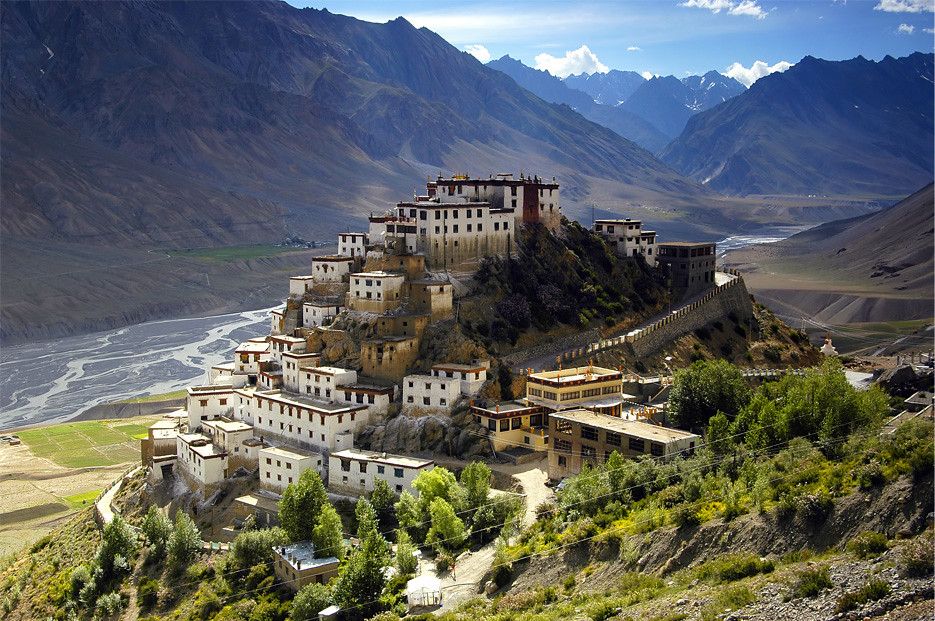
Himachal Pradesh is one of those places where the journey can be just as memorable as the destination. The road may wind through dense pine forests one hour, open into a broad mountain valley the next, and then narrow into a dramatic cliffside stretch with a river far below.
That is what makes a road trip through Himachal different from a conventional holiday. You are not simply travelling between towns. You are moving through changing landscapes, stopping when a viewpoint catches your attention, discovering small villages, and sometimes taking a wrong turn that leads to one of the most memorable moments of the trip.
But mountain road trips also demand more planning than ordinary drives. Distances that appear short on a map can take several hours, weather can change quickly, and some routes require considerably more driving experience than others.
Travellers who want a more structured experience without handling every logistical detail can also compare organised Himachal Holiday tour packages with the cost of planning the same route independently.
The key is to build a trip around the road conditions, altitude, available time and type of experience you want rather than trying to cover as many places as possible.
First Decide What Kind of Road Trip You Want
There is no single “perfect” Himachal road trip. The right route depends on how much time you have and what you want to experience.
A Classic Mountain Road Trip
For a first visit, the Shimla–Manali circuit is an obvious choice. It combines colonial-era architecture, forested hills, river valleys, viewpoints and popular attractions without requiring the extreme conditions found on some of the higher mountain routes.
It works particularly well for families and first-time visitors who want a mixture of sightseeing and comfortable stays.
A Scenic Valley Road Trip
If scenery and slower travel matter more than ticking attractions off a list, consider routes through Kinnaur or the Tirthan Valley.
The landscapes gradually change as you travel deeper into the mountains, while villages, orchards and river valleys provide plenty of opportunities to stop without following a conventional sightseeing schedule.
An Adventure-Focused Road Trip
Routes towards Lahaul and Spiti are a different proposition altogether.
The roads can be rougher, distances between settlements longer and weather more unpredictable. At higher elevations, altitude becomes an important consideration as well.
These routes are better suited to travellers who are comfortable with long mountain drives and understand that road conditions can change rapidly.
A Slow Mountain Escape
You do not have to cover hundreds of kilometres to experience a memorable Himachal road trip.
A few days around Jibhi, Shoja, Tirthan Valley or Narkanda can be enough if your idea of a holiday involves forest walks, village cafés, mountain views and long, unhurried mornings.
Sometimes the best road trip is the one with the least ambitious itinerary.
How Many Days Do You Need?
The amount of time available should determine your route, rather than the other way around.
Within 3–5 days, stay within one region. Shimla and its surrounding areas, Manali and the nearby valleys, or Tirthan Valley can each work well.
With 6–8 days, you can create a more substantial circuit, such as Shimla–Narkanda–Manali or a Kinnaur-focused itinerary.
With 9–12 days, you can travel deeper into Kinnaur or explore parts of Lahaul.
For 12–16 days, longer routes involving Spiti become possible, provided road conditions and seasonal access are suitable.
A common mistake is assuming that more destinations automatically create a better road trip. In the mountains, excessive driving can turn an enjoyable holiday into a sequence of hotel check-ins and tiring journeys.
Five Road Trips Worth Considering
1. Shimla – Narkanda – Hatu Peak – Shimla
This is a relatively manageable option for a short mountain escape.
Narkanda sits among extensive forests and apple-growing areas, while the drive towards Hatu Peak provides broad mountain views when visibility is good.
The route works particularly well for travellers coming from Chandigarh or Delhi who want a short break without committing to a long-distance mountain circuit.
2. Shimla – Sangla – Chitkul – Kalpa
This route takes you deeper into Kinnaur and offers a completely different landscape from the busy hill-station experience around Shimla.
Sangla is surrounded by steep mountain slopes and orchards, while Chitkul is one of the highest inhabited villages in the region.
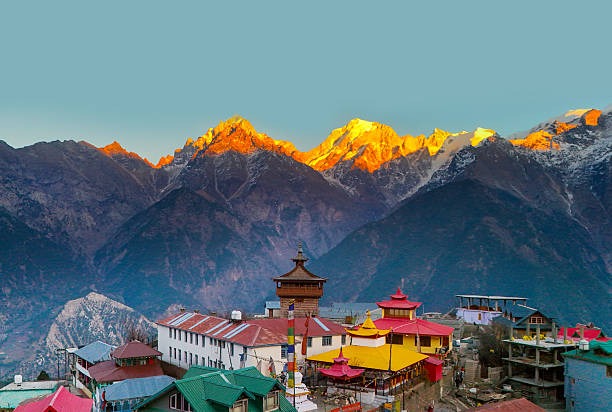
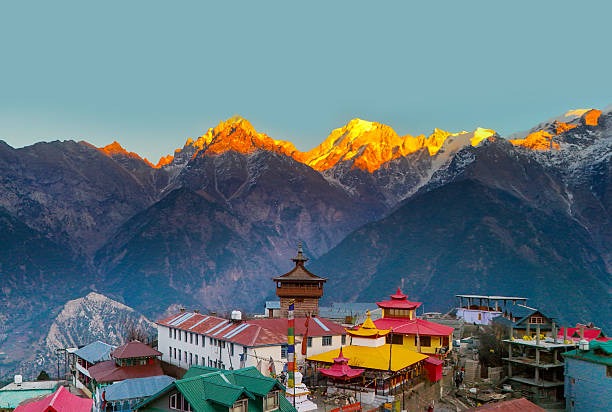
Kalpa offers dramatic views towards the Kinnaur Kailash range and makes a good place to slow down after several hours on the road.
Allow enough time for this route. The attraction is not simply reaching each destination; it is the changing landscape along the way.
3. Manali – Sissu – Keylong – Lahaul
For travellers who want dramatic high-mountain scenery without committing to the full Spiti circuit, Lahaul can be an excellent option.
The landscape changes noticeably as you leave the greener surroundings of Manali and move towards the drier mountain terrain around Sissu and Keylong.
Seasonal road access is an important consideration, particularly when planning travel across higher passes.
4. Shimla – Sangla – Kalpa – Nako – Tabo – Kaza
This is the kind of route that deserves careful planning rather than a tightly packed schedule.
The journey moves from the greener landscapes of Kinnaur into the stark, high-altitude terrain of Spiti. Villages become more widely spaced, vegetation decreases and the character of the landscape changes dramatically.
The route is rewarding, but it is not suitable for travellers who want easy driving and frequent roadside facilities.
5. Jibhi – Shoja – Tirthan Valley
For a slower road trip, this region is hard to beat.
Instead of spending most of the day behind the wheel, you can use the car to reach a base and then explore on foot.
Forest trails, small villages, riverside stays and mountain viewpoints make this route particularly appealing to travellers who prefer experiences over sightseeing checklists.
Shimla or Manali: Where Should You Start?
Your starting point can influence the entire character of the journey.
Shimla works well for routes towards Narkanda, Kinnaur and eventually Spiti. It also offers convenient access from Chandigarh and northern plains.
Manali makes more sense when the primary objective is Lahaul, the higher mountain routes or a journey towards Spiti via the Manali side when that route is seasonally accessible.
Travellers interested primarily in Shimla and its surrounding areas can also consider dedicated shimla tour packages before beginning a longer self-drive journey.
The important thing is to choose your starting point according to your route instead of trying to force every destination into one circuit.
Do Not Judge Mountain Roads by Distance Alone
One of the biggest planning mistakes is looking at a map and assuming that a 100-kilometre journey will take a couple of hours.
Mountain roads rarely work that way.
Hairpin bends, narrow sections, road construction, slow-moving traffic, weather, livestock and frequent stops can dramatically increase travel time.
For example, a route that looks short on a map may occupy most of the day once driving conditions and breaks are considered.
Plan around driving hours rather than kilometres.
It is also wise to avoid scheduling an important sightseeing activity immediately after a long mountain drive. Give yourself time to arrive, rest and explore without feeling rushed.
Self-Drive or Hire a Local Driver?
Both options have advantages.
Self-driving gives you maximum freedom. You can stop at viewpoints, change your plans and spend longer in places that catch your attention.
However, mountain driving is different from highway driving. Drivers need to be comfortable with steep gradients, hairpin bends, narrow roads and situations where two vehicles have limited space to pass.
A local driver can be particularly useful on longer or more challenging routes. Someone familiar with the area may know how long a particular stretch realistically takes, where fuel is available and which roads are better avoided after bad weather.
For first-time visitors heading into remote or high-altitude areas, this can make the journey considerably less stressful.
When Is the Best Time for a Himachal Road Trip?
Different seasons create completely different road-trip experiences.
March to June
Spring and early summer bring relatively comfortable conditions to many lower and mid-altitude areas.
This is a popular period for destinations such as Shimla, Manali, Tirthan and Kinnaur. Higher routes may still have seasonal restrictions depending on snowfall.
July to August
The monsoon can make mountain travel unpredictable.
Heavy rain may lead to landslides, falling rocks, waterlogged roads and temporary closures. If you are travelling during this period, flexibility is essential.
Rather than planning every day around fixed hotel check-ins, leave room for route changes.
September to November
For many road-trip travellers, the post-monsoon period offers an appealing combination of clearer views, greener landscapes and cooler temperatures.
The higher mountains can begin feeling distinctly wintry towards November, so packing needs to account for changing conditions.
December to February
Winter completely changes the experience.
Snow-covered landscapes can be spectacular around destinations such as Shimla and Manali, but higher roads may become inaccessible. Travellers should check current road conditions before heading towards high passes or remote valleys.
Do not assume that a route open during summer will remain accessible in winter.
Fuel, Cash and Mobile Connectivity
Remote travel requires more independence.
Fuel stations become less frequent as you move deeper into the mountains, so do not wait until the fuel warning light comes on before looking for the next station.
Similarly, carry some cash even if you normally rely on digital payments. Connectivity can be inconsistent in remote valleys, and not every small establishment will accept online payments.
Download offline maps before leaving areas with reliable connectivity.
Do not rely exclusively on live navigation. A phone can lose signal, run out of battery or direct you towards a route that is technically possible but unsuitable for your vehicle or current conditions.
Where Should You Stay?
One of the pleasures of a Himachal road trip is that accommodation does not always have to be in the most famous town.
You can choose from hotels, guesthouses, homestays, camps and small mountain properties depending on the route.
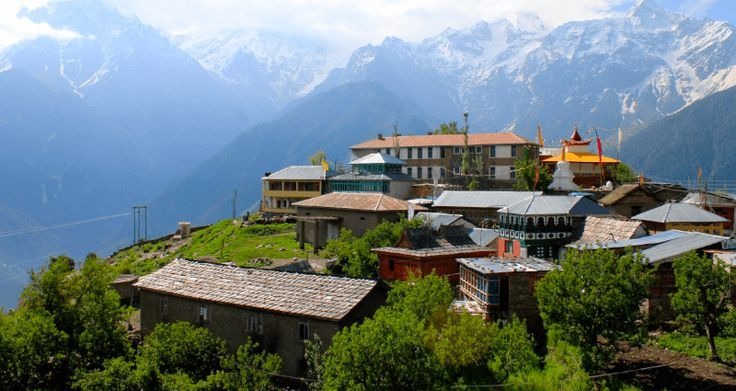
In places such as Jibhi, Shoja, Tirthan Valley, Sangla and parts of Kinnaur, staying locally can make the trip feel much more connected to the landscape.
Instead of changing hotels every night, consider staying two nights in selected locations.
That gives you time to walk around, eat locally, explore nearby villages or simply enjoy the view without constantly thinking about the next departure.
Leave a Buffer Day
A buffer day can completely change the experience of a mountain road trip.
If your itinerary allows ten days, do not necessarily plan ten days of continuous movement.
Keep one day flexible for bad weather, road delays, an unexpected detour or simply a place you decide you want to experience for longer.
This becomes particularly important on longer routes towards Kinnaur, Lahaul and Spiti.
A mountain road trip should have room for the mountains themselves to dictate the pace.
A Sample 10-Day Kinnaur Road Trip
For travellers with around ten days, a Kinnaur-focused journey can provide a good balance between driving and exploration.
Day 1: Reach Shimla and rest.
Day 2: Drive towards Narkanda and explore the surrounding forests and viewpoints.
Day 3: Continue towards Sangla.
Day 4: Explore Sangla Valley and nearby villages.
Day 5: Drive towards Chitkul and return or stay according to road and weather conditions.
Day 6: Travel towards Kalpa.
Day 7: Spend a slower day around Kalpa and nearby areas.
Day 8: Begin the return journey, stopping at suitable points along the way.
Day 9: Return towards Shimla.
Day 10: Shimla to your onward destination.
This is only a framework. Actual driving times and overnight stops should be adjusted according to current road conditions, weather and how much time you want to spend at each destination.
How Much Does a Himachal Road Trip Cost?
The cost depends heavily on the vehicle, number of travellers, accommodation level and route.
A self-drive trip can be economical for a group because fuel and accommodation costs are shared. However, remote routes can become more expensive because of longer distances, limited accommodation choices and additional vehicle requirements.
Your budget should account for:
- Fuel
- Accommodation
- Food
- Parking
- Tolls on the approach routes
- Vehicle maintenance or emergency expenses
- Local transport where required
- Permits, where applicable
The useful comparison is not simply the package price versus fuel cost. Consider what is included, the quality of accommodation, transportation, sightseeing and the amount of flexibility you receive.
The Best Road Trips Leave Some Space for the Unexpected
The most memorable moment of a Himachal road trip may not be the attraction you carefully marked on your itinerary.
It could be a roadside tea stall overlooking a valley, an unexpected waterfall after a bend, an apple orchard glowing in the afternoon sun, a quiet village where you decide to stop for lunch, or a viewpoint you would never have found on a conventional sightseeing itinerary.
That is the real appeal of travelling through Himachal by road.
Plan the important things carefully: your route, vehicle, fuel, accommodation, weather windows and safety, but leave enough space for spontaneity.
Because in the mountains, the perfect road trip is rarely the one where everything goes exactly according to plan. It is the one where you have enough time and freedom to enjoy what happens along the way.
Himachal Pradesh is one of those places where the journey can be just as memorable as the destination. The road may wind through dense pine forests one hour, open into a broad mountain valley the next, and then narrow into a dramatic cliffside stretch with a river far below.
That is what makes a road trip through Himachal different from a conventional holiday. You are not simply travelling between towns. You are moving through changing landscapes, stopping when a viewpoint catches your attention, discovering small villages, and sometimes taking a wrong turn that leads to one of the most memorable moments of the trip.
But mountain road trips also demand more planning than ordinary drives. Distances that appear short on a map can take several hours, weather can change quickly, and some routes require considerably more driving experience than others.
Travellers who want a more structured experience without handling every logistical detail can also compare organised Himachal Holiday tour packages with the cost of planning the same route independently.
The key is to build a trip around the road conditions, altitude, available time and type of experience you want rather than trying to cover as many places as possible.
First Decide What Kind of Road Trip You Want
There is no single “perfect” Himachal road trip. The right route depends on how much time you have and what you want to experience.
A Classic Mountain Road Trip
For a first visit, the Shimla–Manali circuit is an obvious choice. It combines colonial-era architecture, forested hills, river valleys, viewpoints and popular attractions without requiring the extreme conditions found on some of the higher mountain routes.
It works particularly well for families and first-time visitors who want a mixture of sightseeing and comfortable stays.
A Scenic Valley Road Trip
If scenery and slower travel matter more than ticking attractions off a list, consider routes through Kinnaur or the Tirthan Valley.
The landscapes gradually change as you travel deeper into the mountains, while villages, orchards and river valleys provide plenty of opportunities to stop without following a conventional sightseeing schedule.
An Adventure-Focused Road Trip
Routes towards Lahaul and Spiti are a different proposition altogether.
The roads can be rougher, distances between settlements longer and weather more unpredictable. At higher elevations, altitude becomes an important consideration as well.
These routes are better suited to travellers who are comfortable with long mountain drives and understand that road conditions can change rapidly.
A Slow Mountain Escape
You do not have to cover hundreds of kilometres to experience a memorable Himachal road trip.
A few days around Jibhi, Shoja, Tirthan Valley or Narkanda can be enough if your idea of a holiday involves forest walks, village cafés, mountain views and long, unhurried mornings.
Sometimes the best road trip is the one with the least ambitious itinerary.
How Many Days Do You Need?
The amount of time available should determine your route, rather than the other way around.
Within 3–5 days, stay within one region. Shimla and its surrounding areas, Manali and the nearby valleys, or Tirthan Valley can each work well.
With 6–8 days, you can create a more substantial circuit, such as Shimla–Narkanda–Manali or a Kinnaur-focused itinerary.
With 9–12 days, you can travel deeper into Kinnaur or explore parts of Lahaul.
For 12–16 days, longer routes involving Spiti become possible, provided road conditions and seasonal access are suitable.
A common mistake is assuming that more destinations automatically create a better road trip. In the mountains, excessive driving can turn an enjoyable holiday into a sequence of hotel check-ins and tiring journeys.
Five Road Trips Worth Considering
1. Shimla – Narkanda – Hatu Peak – Shimla
This is a relatively manageable option for a short mountain escape.
Narkanda sits among extensive forests and apple-growing areas, while the drive towards Hatu Peak provides broad mountain views when visibility is good.
The route works particularly well for travellers coming from Chandigarh or Delhi who want a short break without committing to a long-distance mountain circuit.
2. Shimla – Sangla – Chitkul – Kalpa
This route takes you deeper into Kinnaur and offers a completely different landscape from the busy hill-station experience around Shimla.
Sangla is surrounded by steep mountain slopes and orchards, while Chitkul is one of the highest inhabited villages in the region.
Kalpa offers dramatic views towards the Kinnaur Kailash range and makes a good place to slow down after several hours on the road.
Allow enough time for this route. The attraction is not simply reaching each destination; it is the changing landscape along the way.
3. Manali – Sissu – Keylong – Lahaul
For travellers who want dramatic high-mountain scenery without committing to the full Spiti circuit, Lahaul can be an excellent option.
The landscape changes noticeably as you leave the greener surroundings of Manali and move towards the drier mountain terrain around Sissu and Keylong.
Seasonal road access is an important consideration, particularly when planning travel across higher passes.
4. Shimla – Sangla – Kalpa – Nako – Tabo – Kaza
This is the kind of route that deserves careful planning rather than a tightly packed schedule.
The journey moves from the greener landscapes of Kinnaur into the stark, high-altitude terrain of Spiti. Villages become more widely spaced, vegetation decreases and the character of the landscape changes dramatically.
The route is rewarding, but it is not suitable for travellers who want easy driving and frequent roadside facilities.
5. Jibhi – Shoja – Tirthan Valley
For a slower road trip, this region is hard to beat.
Instead of spending most of the day behind the wheel, you can use the car to reach a base and then explore on foot.
Forest trails, small villages, riverside stays and mountain viewpoints make this route particularly appealing to travellers who prefer experiences over sightseeing checklists.
Shimla or Manali: Where Should You Start?
Your starting point can influence the entire character of the journey.
Shimla works well for routes towards Narkanda, Kinnaur and eventually Spiti. It also offers convenient access from Chandigarh and northern plains.
Manali makes more sense when the primary objective is Lahaul, the higher mountain routes or a journey towards Spiti via the Manali side when that route is seasonally accessible.
Travellers interested primarily in Shimla and its surrounding areas can also consider dedicated shimla tour packages before beginning a longer self-drive journey.
The important thing is to choose your starting point according to your route instead of trying to force every destination into one circuit.
Do Not Judge Mountain Roads by Distance Alone
One of the biggest planning mistakes is looking at a map and assuming that a 100-kilometre journey will take a couple of hours.
Mountain roads rarely work that way.
Hairpin bends, narrow sections, road construction, slow-moving traffic, weather, livestock and frequent stops can dramatically increase travel time.
For example, a route that looks short on a map may occupy most of the day once driving conditions and breaks are considered.
Plan around driving hours rather than kilometres.
It is also wise to avoid scheduling an important sightseeing activity immediately after a long mountain drive. Give yourself time to arrive, rest and explore without feeling rushed.
Self-Drive or Hire a Local Driver?
Both options have advantages.
Self-driving gives you maximum freedom. You can stop at viewpoints, change your plans and spend longer in places that catch your attention.
However, mountain driving is different from highway driving. Drivers need to be comfortable with steep gradients, hairpin bends, narrow roads and situations where two vehicles have limited space to pass.
A local driver can be particularly useful on longer or more challenging routes. Someone familiar with the area may know how long a particular stretch realistically takes, where fuel is available and which roads are better avoided after bad weather.
For first-time visitors heading into remote or high-altitude areas, this can make the journey considerably less stressful.
When Is the Best Time for a Himachal Road Trip?
Different seasons create completely different road-trip experiences.
March to June
Spring and early summer bring relatively comfortable conditions to many lower and mid-altitude areas.
This is a popular period for destinations such as Shimla, Manali, Tirthan and Kinnaur. Higher routes may still have seasonal restrictions depending on snowfall.
July to August
The monsoon can make mountain travel unpredictable.
Heavy rain may lead to landslides, falling rocks, waterlogged roads and temporary closures. If you are travelling during this period, flexibility is essential.
Rather than planning every day around fixed hotel check-ins, leave room for route changes.
September to November
For many road-trip travellers, the post-monsoon period offers an appealing combination of clearer views, greener landscapes and cooler temperatures.
The higher mountains can begin feeling distinctly wintry towards November, so packing needs to account for changing conditions.
December to February
Winter completely changes the experience.
Snow-covered landscapes can be spectacular around destinations such as Shimla and Manali, but higher roads may become inaccessible. Travellers should check current road conditions before heading towards high passes or remote valleys.
Do not assume that a route open during summer will remain accessible in winter.
Fuel, Cash and Mobile Connectivity
Remote travel requires more independence.
Fuel stations become less frequent as you move deeper into the mountains, so do not wait until the fuel warning light comes on before looking for the next station.
Similarly, carry some cash even if you normally rely on digital payments. Connectivity can be inconsistent in remote valleys, and not every small establishment will accept online payments.
Download offline maps before leaving areas with reliable connectivity.
Do not rely exclusively on live navigation. A phone can lose signal, run out of battery or direct you towards a route that is technically possible but unsuitable for your vehicle or current conditions.
Where Should You Stay?
One of the pleasures of a Himachal road trip is that accommodation does not always have to be in the most famous town.
You can choose from hotels, guesthouses, homestays, camps and small mountain properties depending on the route.
In places such as Jibhi, Shoja, Tirthan Valley, Sangla and parts of Kinnaur, staying locally can make the trip feel much more connected to the landscape.
Instead of changing hotels every night, consider staying two nights in selected locations.
That gives you time to walk around, eat locally, explore nearby villages or simply enjoy the view without constantly thinking about the next departure.
Leave a Buffer Day
A buffer day can completely change the experience of a mountain road trip.
If your itinerary allows ten days, do not necessarily plan ten days of continuous movement.
Keep one day flexible for bad weather, road delays, an unexpected detour or simply a place you decide you want to experience for longer.
This becomes particularly important on longer routes towards Kinnaur, Lahaul and Spiti.
A mountain road trip should have room for the mountains themselves to dictate the pace.
A Sample 10-Day Kinnaur Road Trip
For travellers with around ten days, a Kinnaur-focused journey can provide a good balance between driving and exploration.
Day 1: Reach Shimla and rest.
Day 2: Drive towards Narkanda and explore the surrounding forests and viewpoints.
Day 3: Continue towards Sangla.
Day 4: Explore Sangla Valley and nearby villages.
Day 5: Drive towards Chitkul and return or stay according to road and weather conditions.
Day 6: Travel towards Kalpa.
Day 7: Spend a slower day around Kalpa and nearby areas.
Day 8: Begin the return journey, stopping at suitable points along the way.
Day 9: Return towards Shimla.
Day 10: Shimla to your onward destination.
This is only a framework. Actual driving times and overnight stops should be adjusted according to current road conditions, weather and how much time you want to spend at each destination.
How Much Does a Himachal Road Trip Cost?
The cost depends heavily on the vehicle, number of travellers, accommodation level and route.
A self-drive trip can be economical for a group because fuel and accommodation costs are shared. However, remote routes can become more expensive because of longer distances, limited accommodation choices and additional vehicle requirements.
Your budget should account for:
- Fuel
- Accommodation
- Food
- Parking
- Tolls on the approach routes
- Vehicle maintenance or emergency expenses
- Local transport where required
- Permits, where applicable
The useful comparison is not simply the package price versus fuel cost. Consider what is included, the quality of accommodation, transportation, sightseeing and the amount of flexibility you receive.
The Best Road Trips Leave Some Space for the Unexpected
The most memorable moment of a Himachal road trip may not be the attraction you carefully marked on your itinerary.
It could be a roadside tea stall overlooking a valley, an unexpected waterfall after a bend, an apple orchard glowing in the afternoon sun, a quiet village where you decide to stop for lunch, or a viewpoint you would never have found on a conventional sightseeing itinerary.
That is the real appeal of travelling through Himachal by road.
Plan the important things carefully: your route, vehicle, fuel, accommodation, weather windows and safety, but leave enough space for spontaneity.
Because in the mountains, the perfect road trip is rarely the one where everything goes exactly according to plan. It is the one where you have enough time and freedom to enjoy what happens along the way.
