
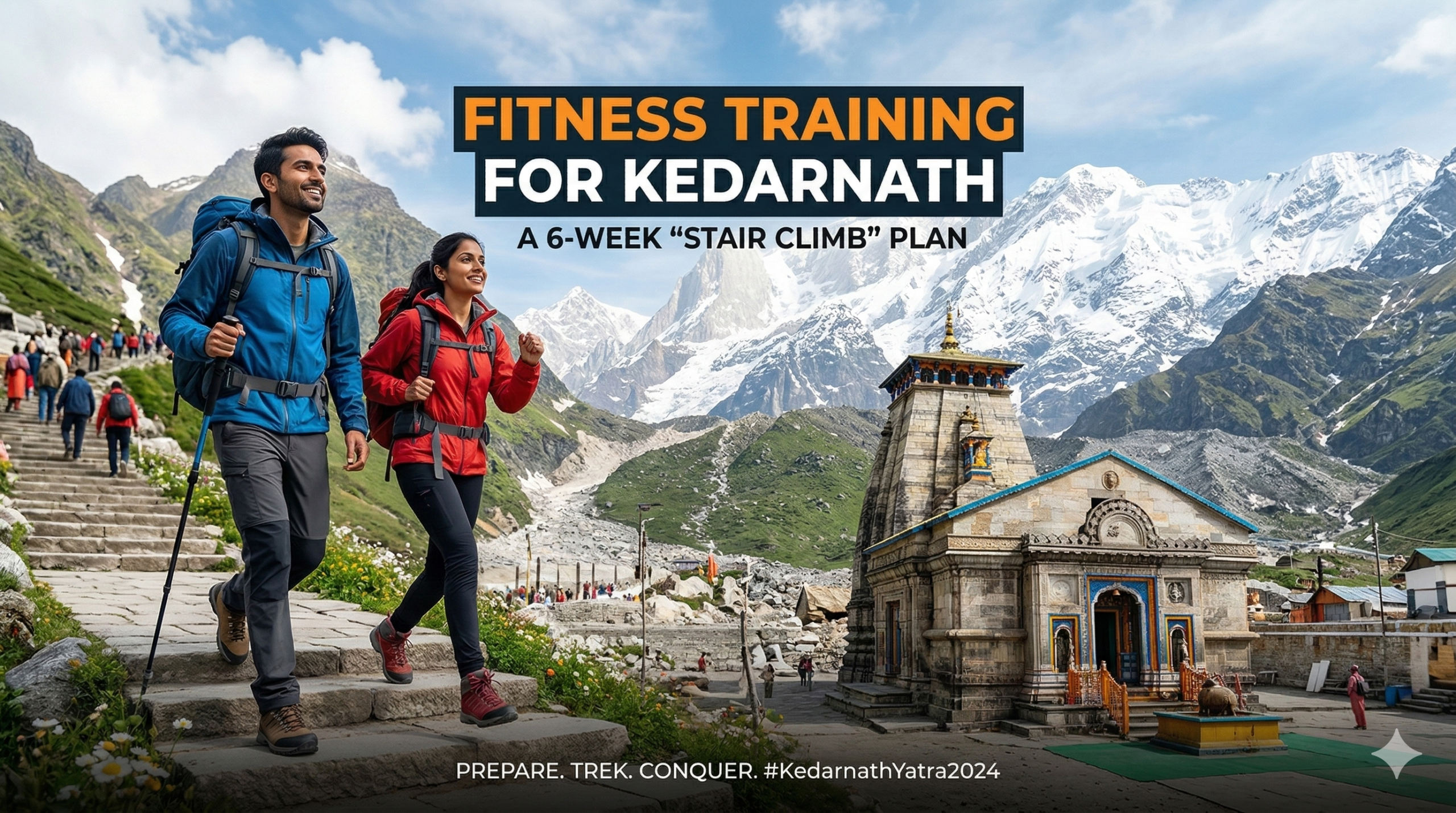
Preparing for the Kedarnath Yatra is as much a spiritual journey as it is a physical challenge. Standing at roughly 11,755 feet, the trek from Gaurikund to the temple is a 16-18 km steep uphill climb. To ensure you enjoy the divine experience without gasping for breath, a structured fitness plan is essential.
1. Understanding the Terrain: Why “Stair Climbing” is King
The trek to Kedarnath isn’t just a long walk; it is a relentless incline. Most of the path consists of paved stones, steep stairs, and occasional dirt tracks. This is why a “stair climb” focused plan is the most effective way to prepare your lower body and lungs.
When you climb stairs, you engage your quadriceps, hamstrings, glutes, and calves more intensely than flat walking. More importantly, it spikes your heart rate, mimicking the cardiovascular strain you’ll feel at high altitudes where oxygen levels are lower.
Read Also:- Kedarnath Solo Budget Trip: Complete Cost Breakdown for 2026
Physical Fitness for Kedarnath Yatra: The Core Components
To tackle this trek, your training must focus on three pillars:
- Leg Strength: Your “brakes” for coming down and “engines” for going up.
- Cardiovascular Endurance: Your ability to maintain a steady pace without your heart pounding out of your chest.
- Lung Capacity: Preparing for the thin air at 11,000 ft.
👉 Also Read – Book Kedarnath Package
The Science of Vertical Training
At sea level, your body functions with plenty of oxygen. As you rise toward Kedarnath, the atmospheric pressure drops. Training on stairs forces your body to utilize oxygen more efficiently. By the time you reach the 6-week mark, your mitochondria (the powerhouses of your cells) will be better equipped to handle the “oxygen debt” that occurs on steep slopes.
2. The 6-Week “Stair Climb” Training Schedule
This plan is designed to be progressive. Don’t rush into it; let your muscles adapt to avoid injury.
Phase 1: Weeks 1–2 (Building the Base)
Start small. Find a flight of stairs (at home, an office, or a stadium).
- Day 1, 3, 5: 15 minutes of continuous stair climbing at a slow, steady pace. Do not run. Focus on placing your entire foot on the step.
- Day 2, 4: 20 minutes of brisk flat walking.
- Day 6: A 5 km walk to test overall stamina.
- Day 7: Rest.
Phase 2: Weeks 3–4 (Increasing Intensity)
Now we add resistance.
- Day 1, 3, 5: 25 minutes of stair climbing. For the last 5 minutes, wear a small backpack with a 2 kg weight (or two water bottles).
- Day 2, 4: Strength training—squats and lunges (3 sets of 15).
- Day 6: 8 km walk with the shoes you plan to wear for the Yatra.
- Day 7: Rest.
Phase 3: Weeks 5–6 (The Peak and Taper)
- Day 1, 3: 40 minutes of stair climbing with a 5 kg backpack.
- Day 5: Interval training. Climb 2 flights fast, walk 1 flight slow. Repeat for 30 minutes.
- Day 6: 12 km long walk on uneven terrain if possible.
- Week 6 (Last 3 days): Rest and stretching only. Do not overtrain right before the trip.
🏔️ Kedarnath Yatra Checklist 2026: 12 Must-Have Items for a Successful Trek

- ✅Altitude Protection: Prevents breathlessness and headaches caused by low oxygen levels at Kedarnath top.
- ✅Instant Energy: Helps you recover faster during the steep 16km trek from Gauri Kund.
- ✅Lightweight: Fits easily in your side pocket and weighs almost nothing.

- ✅Unbeatable Grip: Anti-skid soles designed specifically for slippery mountain rocks and mud.
- ✅100% Waterproof: Keeps your feet dry during sudden rains or while crossing small streams.
- ✅Ankle Support: Prevents injuries on the uneven zig-zag paths of the Kedar valley.

- ✅Total Coverage: Covers you and your large backpack completely during heavy mountain rains.
- ✅Quick Dry: Much better than heavy raincoats; it's light and dries in minutes.
- ✅Windproof: Blocks the freezing cold winds that follow the rain at high altitudes.

- ✅Heat Retention: Advanced fabric that locks body heat even when the temperature drops to 0°C.
- ✅Odour Resistant: Can be worn for multiple days without feeling unhygienic.
- ✅Slim Fit: Fits comfortably under your regular clothes without looking bulky.

- ✅Cold Protection: Battery dies fast in cold weather; this ensures your phone stays alive for photos.
- ✅Massive Capacity: Charge your phone and camera 4-5 times fully during the trip.
- ✅Fast Charging: Don't waste time at charging points in tea stalls.

- ✅Knee Support: Reduces 25% of the pressure on your knees during the steep descent.
- ✅Better Balance: Essential for crossing slippery patches or walking in narrow trails.
- ✅Anti-Shock: Absorbs ground impact to prevent wrist and shoulder pain.

- ✅12H Hot: Keep hot water/tea ready to fight the freezing cold of the Himalayas.
- ✅BPA Free: Safe and healthy stainless steel that won't rust.
- ✅Strong Body: Survives accidental drops on rocky terrains easily.

- ✅Mountain Ready: Contains pain sprays, bandages, and altitude sickness tablets.
- ✅Lightweight: Small enough to fit in any backpack side pocket.
- ✅Must Have: Medical help is far away on the trek; be your own first responder.

- ✅Hands-Free: Essential for early morning treks (3 AM) so you can use trekking poles freely.
- ✅High Brightness: Powerful beam that covers up to 100 meters clearly.
- ✅Weatherproof: Continues to work even during rain or heavy mist.
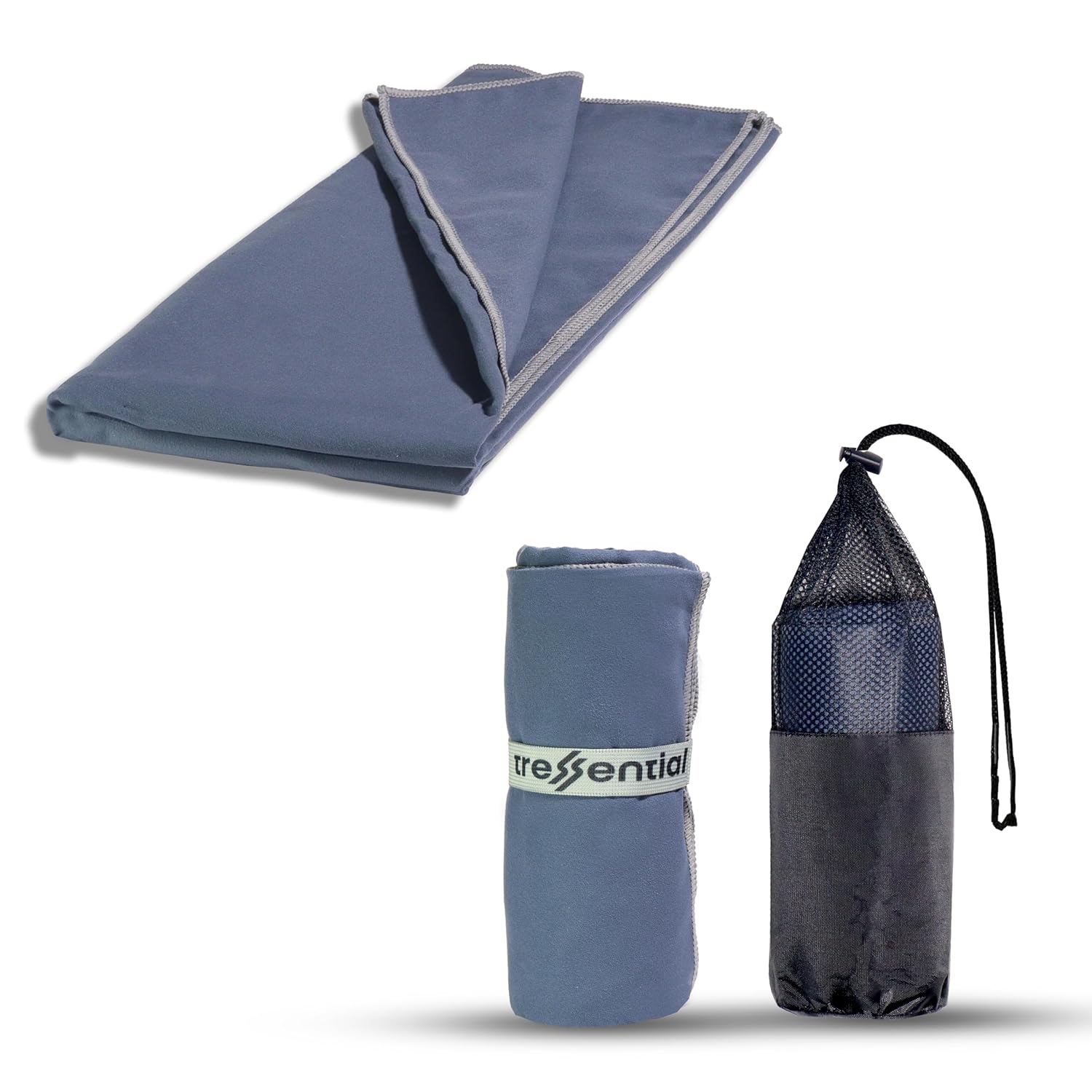
- ✅No Wet Smell: Dries in minutes so you don't carry a heavy, smelly towel in your bag.
- ✅Super Tiny: Folds into a small pouch, leaving more room for warm clothes.
- ✅Gentle: Ultra-soft fabric that is perfect for cold weather skin care.

- ✅High Altitude Protection: Himalayan sun is harsh and causes severe tanning & burns.
- ✅Non-Greasy: Doesn't feel oily while trekking or sweating.
- ✅Sweat Resistant: Stays on your skin even during high-intensity walking.

- ✅Dual Protection: Ponchos are good, but this ensures no water enters your bag.
- ✅Reflective Logo: Helps others see you in heavy mist or night treks.
- ✅Universal Fit: Fits perfectly on all 30L to 60L trekking backpacks.
3. Altitude, Oxygen, and AMS Prevention
At 11,000 ft, oxygen levels are significantly lower than in Delhi or Mumbai. Acute Mountain Sickness (AMS) is a real risk for pilgrims who rush the climb.
Oxygen Levels at 11,000 ft
While the percentage of oxygen in the air remains the same (21%), the air pressure is lower, meaning there are fewer oxygen molecules in every breath you take. This can lead to headaches, nausea, and dizziness.
Altitude Acclimation Strategy
The best way to prevent AMS is to climb slowly.
- Stay in Guptkashi or Phata: Spend a night at a medium altitude before heading to Gaurikund.
- Hydration: Drink 4-5 liters of water daily. Dehydration mimics and worsens AMS symptoms.
- Prophylactic Medication: Consult a doctor about Acetazolamide (Diamox), which helps the body acclimatize faster.
| Feature | Details |
| Max Altitude | 11,755 ft (approx. 3,583 meters) |
| Oxygen Concentration | Approx. 60-70% compared to sea level |
| Common Symptoms | Shortness of breath, mild headache, fatigue |
| Key Prevention | Slow ascent, deep breathing, no alcohol/smoking |
4. The “Do’s and Don’ts” of the Kedarnath Trek
Success on the trail isn’t just about how fast you can climb; it’s about how smart you move.
What to Do (The Success List)
- Walk in a Zig-Zag Pattern: On very steep sections, walking slightly diagonally reduces the strain on your calves.
- Use Trekking Poles: They take 20% of the weight off your knees. Your joints will thank you on the descent.
- Eat Carbohydrates: Your body burns carbs faster at high altitudes. Carry dark chocolate, energy bars, and nuts.
- Breathe Through Your Nose: This keeps your throat from drying out in the cold, crisp mountain air.
What Not to Do (The Caution List)
- Don’t Rush: This is a pilgrimage, not a marathon. Pushing too hard increases heart strain.
- Don’t Sleep Immediately Upon Arrival: If you reach the top during the day, walk around for 30 minutes to help your body adjust before lying down.
- Don’t Ignore Headaches: A persistent headache that doesn’t go away with water or rest is a sign you need to stop or descend.
- Don’t Wear New Shoes: Ensure your trekking shoes are “broken in” during your 6-week training period.
5. Pros, Cons, and Expert Review
Before you pack your bags, weigh the realities of the trek.
Pros and Cons of the Trek
| Pros | Cons |
| Unmatched spiritual and mental peace | Extremely unpredictable weather |
| Stunning Himalayan views and landscapes | High risk of AMS if not prepared |
| Well-paved path with facilities (tea/water) | Physical exhaustion can be overwhelming |
| Strong sense of community among pilgrims | Overcrowding during peak months (May-June) |
Expert Review: A Trekker’s Perspective
“The Kedarnath trek is deceptive. Many think that because there are ponies and palanquins, the path is easy. It is not. The incline is relentless. I have seen fit individuals struggle because they ignored altitude acclimation. My biggest advice? Master the ‘rest step’—a brief pause of one second every time you step up. This keeps your heart rate stable.” — Fitness Consultant & Himalayan Trekker
6. Final Prep: Gear and Nutrition
The last week of your 6-week plan should focus on packing and “carb-loading.”
The Importance of Proper Footwear
Don’t use flat-soled sneakers. You need trekking shoes with “deep lugs” (the patterns on the bottom) for grip on wet stones. During your stair climbing training, wear these shoes so your feet get used to the weight.
Nutrition for Endurance
- Iron-Rich Foods: Start eating spinach, beets, and apples 4 weeks before the trip. Iron helps your blood carry oxygen—vital for 11,000 ft.
- Magnesium: Helps prevent muscle cramps. Bananas are your best friend on the trail.
- Avoid Salt: High salt intake can lead to water retention and swelling (edema) at high altitudes.
Read Also:- Kedarnath Pony & Palki Rates 2026: Revised Govt Charges
Final Takeaway
Physical fitness for the Kedarnath Yatra isn’t about being a bodybuilder; it’s about being a “stamina builder.” If you can comfortably climb 4-5 flights of stairs multiple times without losing your breath, you are 80% of the way there. The remaining 20% is your faith and mental willpower.
