

Planning Kedarnath trek? Discover why normal sneakers are dangerous for the 16km climb. Read our 3,000-word expert guide on the best trekking shoes, socks, and gear for 2026.
1. The Sneaker Myth: Why City Shoes are a Danger in the Himalayas
The 16 km trek from Gaurikund to Kedarnath is not a walk in the park; it is a battle against gravity, slippery stones, and unpredictable mule traffic. Most pilgrims make the mistake of wearing their daily gym sneakers or lifestyle shoes. While these are comfortable for flat roads, they lack the “Torsional Rigidity” required for steep inclines. In 2026, the trail has become more paved, but when it rains—which it does almost every afternoon—those paved tiles become like ice.
Normal sneakers have a flat sole with shallow patterns. On a mountain, you need “Lugs” (deep grooves) that bite into the mud and loose gravel. Moreover, sneakers offer zero ankle support. One wrong step on a loose rock can lead to a painful sprain, ending your yatra prematurely. At DreamTripGuide, we’ve seen dozens of people struggling in their expensive branded sneakers because those shoes aren’t built for a 5,000-feet altitude gain. This section explains why investing in a dedicated pair of trekking shoes is not a luxury, but a safety requirement.
2. The Science of Grip: Trekking Shoes vs. Socks Analysis
Understanding the relationship between your shoes and your socks is the secret to a blister-free yatra. Most people focus only on the shoe, but the wrong socks (like thin cotton ones) will cause friction, leading to painful blisters within the first 5 kilometers.
Expert Highlight: The Performance Column
| Feature | Professional Trekking Shoes | Technical Trekking Socks |
| Grip Technology | Multi-directional lugs (5mm depth). | Compression arch for foot stability. |
| Protection | Rubber toe-cap & High-ankle support. | Heel and toe padding to absorb shock. |
| Moisture Control | Waterproof membrane (e.g., Gore-Tex). | Merino wool blend to wick away sweat. |
| Durability | Built to withstand rocks and snow. | Reinforced fabric to prevent holes. |
3. Top 10 Best Shoes for Kedarnath 2026 (The Checklist Table)
This is where your readers will make their decision. We have curated 10 shoes ranging from budget-friendly to premium options.
👟 10 Best Shoes for Kedarnath Trek 2026
Expert-Tested Footwear for a Safe Spiritual Journey

- Weight: 900g
- Focus: Affordable rugged design with high-ankle support.

- Weight: 800g
- Focus: Our trekking shoes are meticulously crafted from premium materials to withstand the rigors of outdoor adventures.

- Weight: 850g
- Focus: Excellent water-repellent tech for sudden rains.

- Weight: 700g
- Focus: Memory foam tech to reduce walking fatigue.

- Weight: 950g
- Focus: Omni-Grip sole for extreme snow and mud conditions.

- Weight: 650g
- Focus: Lightweight design for experienced, fast trekkers.

- Weight: 1000g
- Focus: Most affordable entry-level trekking shoe.

- Weight: 1100g
- Focus: Pure leather durability for rocky river beds.

- Weight: 600g
- Focus: Designed with a lightweight structure to provide agility and ease of movement during your outdoor adventures.
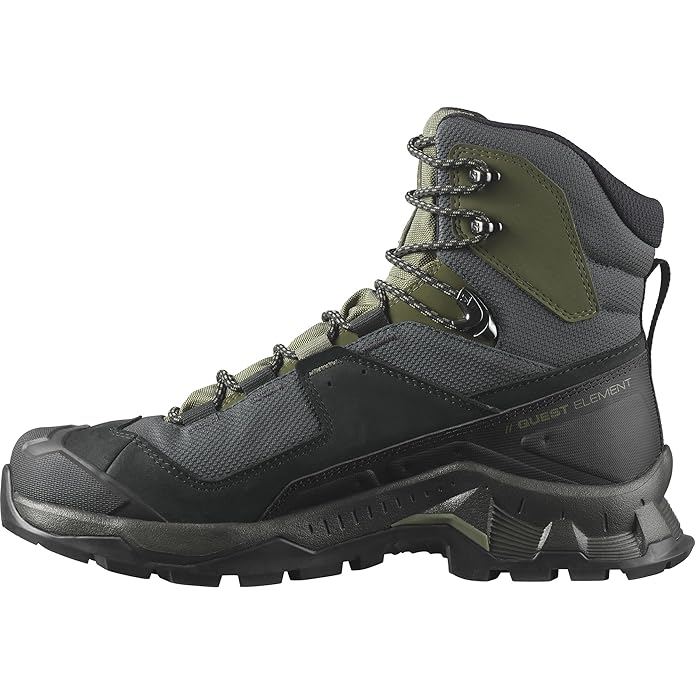
- Weight: 1200g
- Focus: The ultimate shoe for serious Himalayan conditions.
4. Pros and Cons: High-Ankle vs. Low-Ankle Shoes
Many trekkers ask if they should buy high-ankle boots or standard trekking shoes. For Kedarnath, the answer is always High-Ankle.
High-Ankle Trekking Boots
- Pros: Complete ankle protection, keeps water/snow from entering, better for mule-track safety.
- Cons: Slightly heavier, takes time to “break-in” (soften up).
Low-Ankle Trekking Shoes
- Pros: Very lightweight, looks like normal sneakers, easier to walk on flat ground.
- Cons: High risk of ankle twists, water enters easily during rain, stones get inside.
Expert Review: “As a rider and trekker, I recommend the Bacca Bucci series for those on a budget and Columbia for those who want to invest for a lifetime. Always buy one size larger than your normal size to accommodate thick trekking socks.” — Saurav Pal, DreamTripGuide India.
5. The “Waterproof” Reality Check: Rain, Mud & Snow
Kedarnath weather is deceptive. You might start in 30°C heat in Gaurikund and reach 0°C at the temple. Your shoes must be waterproof. If your sneakers get wet, your feet will freeze, leading to a condition called “Trench Foot” or simply severe numbness.
In 2026, look for shoes with a “Gusseted Tongue” (where the tongue is attached to the sides). This prevents water from seeping in through the lace holes. If you can’t afford waterproof shoes, we recommend using Waterproof Silicone Shoe Covers, which you can also link here as a budget alternative.
People Also Ask (PAA) & Maintenance Tips
Q1. Can I wear Adidas/Nike sneakers to Kedarnath?
Only if they are from their “Terrex” or “ACG” (Outdoor) range. Regular running shoes will fail due to lack of grip.
Q2. Is it necessary to buy shoes one size larger?
Yes, because your feet swell at high altitudes, and you need space for thick woolen socks.
Q3. How do I prevent blisters?
Wear two layers of socks (a thin liner and a thick outer sock) and ensure your shoes are “broken-in” 10 days before the trek.
Q4. What if my shoes get wet?
Never dry them near a heater/fire as it ruins the glue. Stuff them with newspaper and dry them in the sun or under a fan.
Q5. Are sports shoes okay for the descent?
Coming down is harder on the toes. Sneakers will cause your toes to hit the front of the shoe, causing black toenails. Trekking shoes prevent this.
Final Call to Action (CTA):
Ready to conquer the Kedar trail? Don’t let a bad shoe ruin your spiritual journey. Follow our 2026 gear updates:
👉 Instagram: @dreamtripguide.india
👉 Also Read – Book Kedarnath Package
