
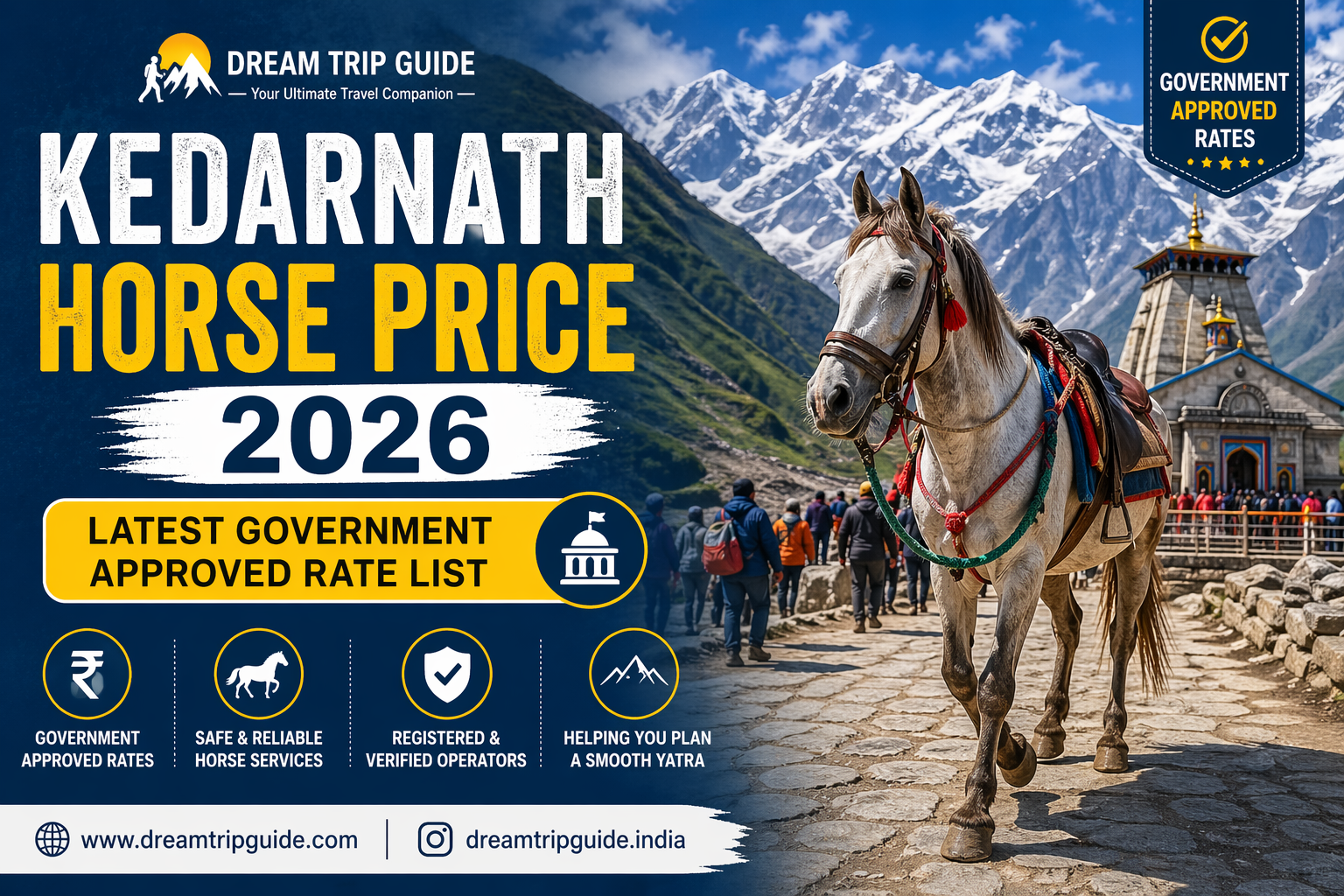
The 16-kilometer trek from Gaurikund to the Shri Kedarnath Temple is one of the most challenging spiritual journeys in India. While many young pilgrims choose to walk, thousands of seniors, families, and those with physical limitations rely on the traditional Pony (Horse), Pithu (Porter), and Palki (Palanquin) services. In 2026, the local administration and the Rudraprayag District Magistrate have implemented a much stricter monitoring system to ensure that pilgrims are not overcharged and that the animals are treated humanely.
The Official Booking Process: In 2026, you should avoid hiring a horse through a random person on the trail. The government has established official booking counters at Sonprayag and Gaurikund. When you book here, you receive a computerized slip. This slip is your guarantee. It contains the horse owner’s name, the animal’s registration number, and the fixed price. This system was designed to eliminate the “price haggling” that used to frustrate travelers in previous years.
The Role of the Biometric Tag: Every registered animal in the Kedar Valley now carries a biometric tag. As an expert strategist, I recommend checking for this tag before mounting. This ensures the animal is fit for the journey and is part of the official insurance pool. If you hire an unregistered horse and an accident occurs, claiming insurance or filing a complaint becomes nearly impossible. By following the official DreamTripGuide advice, you ensure a safe and legally protected journey.
Expert Review (Operations):
“The 2026 Pony management system is the best we’ve seen. By centralizing the booking at Sonprayag, the government has reduced the ‘middle-man’ culture. However, the demand is so high during May and June that even official counters can have a 3-hour waiting line.” — Saurav Pal, Digital Creator.
🏔️ Kedarnath Yatra Checklist 2026: 12 Must-Have Items for a Successful Trek

- ✅Altitude Protection: Prevents breathlessness and headaches caused by low oxygen levels at Kedarnath top.
- ✅Instant Energy: Helps you recover faster during the steep 16km trek from Gauri Kund.
- ✅Lightweight: Fits easily in your side pocket and weighs almost nothing.

- ✅Unbeatable Grip: Anti-skid soles designed specifically for slippery mountain rocks and mud.
- ✅100% Waterproof: Keeps your feet dry during sudden rains or while crossing small streams.
- ✅Ankle Support: Prevents injuries on the uneven zig-zag paths of the Kedar valley.

- ✅Total Coverage: Covers you and your large backpack completely during heavy mountain rains.
- ✅Quick Dry: Much better than heavy raincoats; it's light and dries in minutes.
- ✅Windproof: Blocks the freezing cold winds that follow the rain at high altitudes.

- ✅Heat Retention: Advanced fabric that locks body heat even when the temperature drops to 0°C.
- ✅Odour Resistant: Can be worn for multiple days without feeling unhygienic.
- ✅Slim Fit: Fits comfortably under your regular clothes without looking bulky.

- ✅Cold Protection: Battery dies fast in cold weather; this ensures your phone stays alive for photos.
- ✅Massive Capacity: Charge your phone and camera 4-5 times fully during the trip.
- ✅Fast Charging: Don't waste time at charging points in tea stalls.

- ✅Knee Support: Reduces 25% of the pressure on your knees during the steep descent.
- ✅Better Balance: Essential for crossing slippery patches or walking in narrow trails.
- ✅Anti-Shock: Absorbs ground impact to prevent wrist and shoulder pain.

- ✅12H Hot: Keep hot water/tea ready to fight the freezing cold of the Himalayas.
- ✅BPA Free: Safe and healthy stainless steel that won't rust.
- ✅Strong Body: Survives accidental drops on rocky terrains easily.

- ✅Mountain Ready: Contains pain sprays, bandages, and altitude sickness tablets.
- ✅Lightweight: Small enough to fit in any backpack side pocket.
- ✅Must Have: Medical help is far away on the trek; be your own first responder.
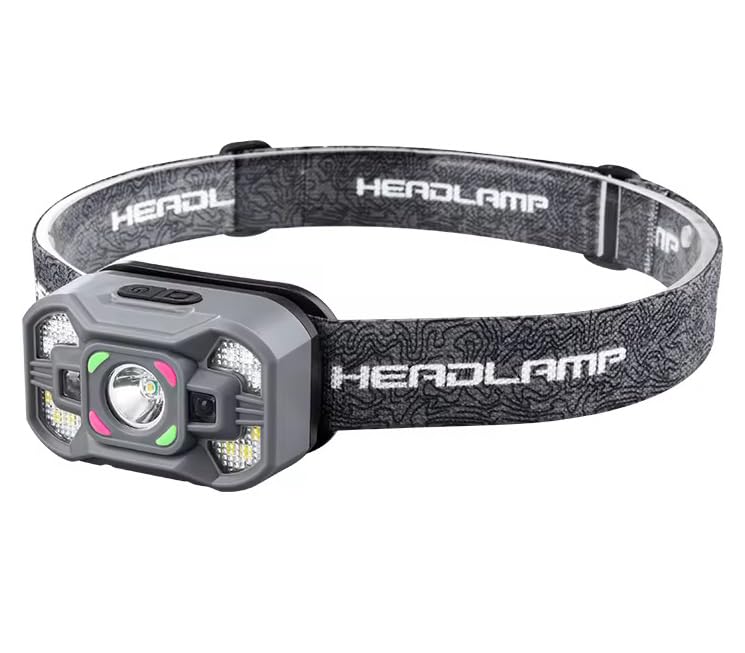
- ✅Hands-Free: Essential for early morning treks (3 AM) so you can use trekking poles freely.
- ✅High Brightness: Powerful beam that covers up to 100 meters clearly.
- ✅Weatherproof: Continues to work even during rain or heavy mist.
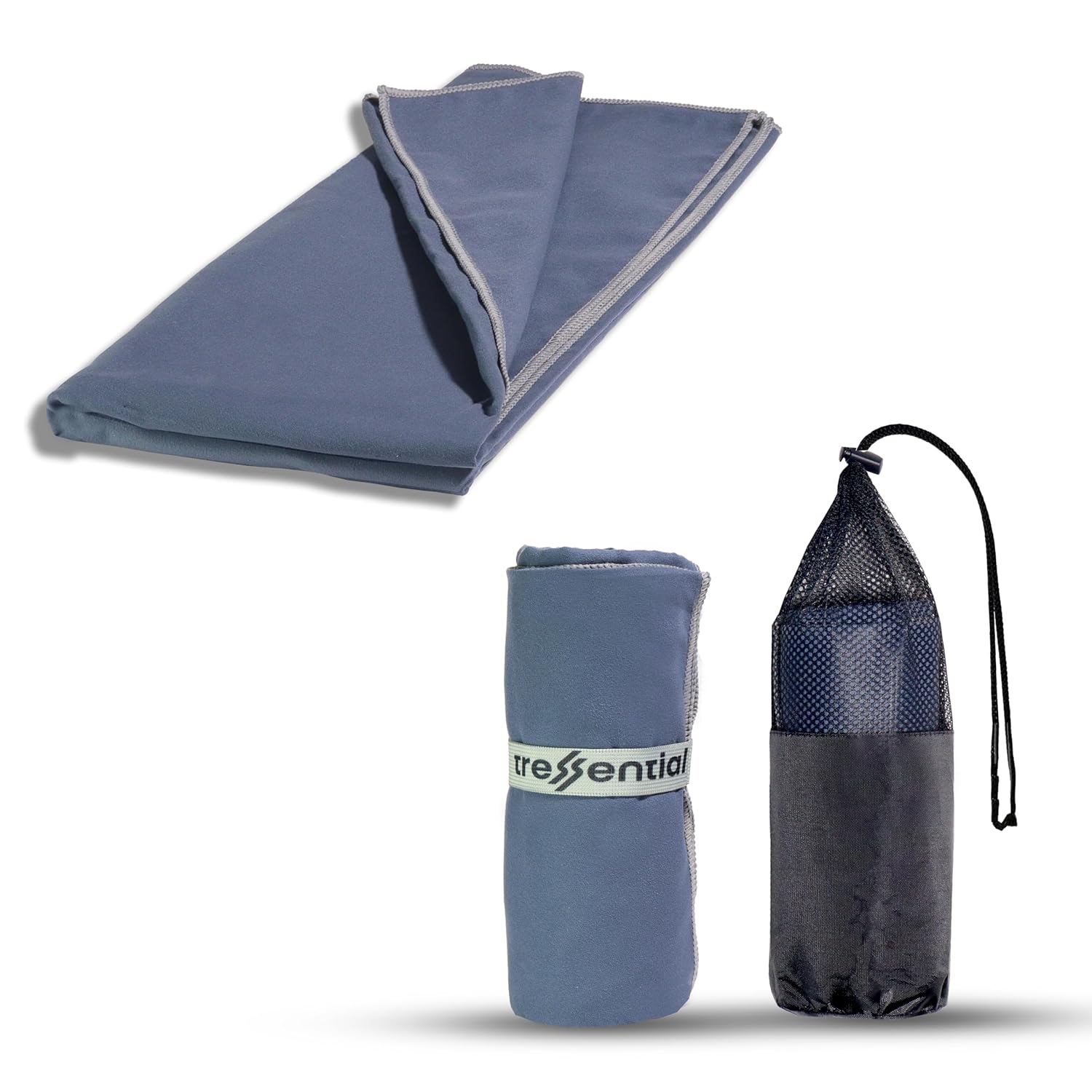
- ✅No Wet Smell: Dries in minutes so you don't carry a heavy, smelly towel in your bag.
- ✅Super Tiny: Folds into a small pouch, leaving more room for warm clothes.
- ✅Gentle: Ultra-soft fabric that is perfect for cold weather skin care.

- ✅High Altitude Protection: Himalayan sun is harsh and causes severe tanning & burns.
- ✅Non-Greasy: Doesn't feel oily while trekking or sweating.
- ✅Sweat Resistant: Stays on your skin even during high-intensity walking.

- ✅Dual Protection: Ponchos are good, but this ensures no water enters your bag.
- ✅Reflective Logo: Helps others see you in heavy mist or night treks.
- ✅Universal Fit: Fits perfectly on all 30L to 60L trekking backpacks.
2. Official Rate List 2026: What You Should Pay
The most important part of your planning is knowing the Government Approved Rates. These rates are subject to change slightly during the season, but the 2026 base rates have been stabilized to prevent inflation. Prices vary depending on whether you are going one-way, round-trip, or staying overnight.
Weight and Distance Dynamics: The rates are calculated based on a standard weight limit of 75-80 kg. if a passenger exceeds this weight, the horse owner is legally allowed to charge a small premium (usually 15-20% extra) because the strain on the animal is significantly higher. In 2026, the route from Gaurikund to Kedarnath is the primary sector, but rates for Rambara or Lincholi are also available if you choose to stop midway.
Official Rate Table 2026 (Approximate)
| Service Type | Route (One Way) | Route (Round Trip) | Max Weight |
|---|---|---|---|
| Pony / Horse | ₹3,200 – ₹3,500 | ₹6,000 – ₹6,500 | 80 kg |
| Pithu (Porter) | ₹1,200 – ₹1,500 | ₹2,500 – ₹2,800 | 25 kg (Luggage) |
| Palki (Dandi) | ₹10,000 – ₹12,000 | ₹18,000 – ₹22,000 | 90 kg |
| Kandi (Basket) | ₹2,000 – ₹2,500 | ₹4,000 – ₹4,500 | 40 kg (Child/Luggage) |
Export to Sheets
Night Halt Charges: If you keep the pony with you for an overnight stay at the top, you are required to pay a “Night Halt Fee”. This fee covers the food and shelter for the animal and the handler. In 2026, this is generally fixed at ₹500 – ₹800. Always clarify this before you start the journey to avoid arguments at the temple.
3. Pros and Cons: Choosing Between Horse, Pithu, and Palki
Every mode of transport on the Kedarnath trek has its own set of advantages and challenges. Depending on your health, budget, and comfort level, you need to make an informed choice.
The Pony (Horse) Experience:
- Pros: Fastest way to reach the top after the helicopter; widely available; relatively affordable for solo travelers.
- Cons: Can be very bumpy and physically tiring for the back; risky on narrow turns; can be frightening for those with a fear of heights.
The Palki (Palanquin) Experience:
- Pros: Most comfortable option; you are carried by 4 people in a seated position; safest for elderly pilgrims or those with severe back pain.
- Cons: Most expensive option (often costing more than a helicopter); slow pace; limited availability during peak season.
The Pithu/Kandi Experience:
- Pros: Best for small children or heavy luggage; porters can navigate narrow shortcuts that horses cannot.
- Cons: Very slow; morally difficult for some travelers to see humans carrying such heavy loads.
Comparison Table: Mode of Transport Selection
| Mode | Best For | Comfort Level | Speed |
|---|---|---|---|
| Pony | Adults & Teens | Low (Bumpy) | High |
| Palki | Seniors / Infirm | High | Medium |
| Pithu | Luggage / Kids | Medium | Low |
| Walking | Fit / Young | Varies | Very Low |


4. Critical Dos and Don’ts: Safety and Ethics
Riding a horse at 11,000 feet is not the same as riding one in a park. The Kedarnath trek is steep, rocky, and often slippery due to rain or snow. Following these rules will protect both you and the animal.
What to Do (Dos):
- Check the Slip: Always ensure the horse number on your government slip matches the tag on the horse.
- Hold Tight: Keep a firm grip on the saddle handle at all times, especially during steep descents.
- Lean Correctly: Lean forward when the horse is going uphill and lean slightly backward when going downhill to help the horse balance.
- Wear a Mask: The trail can be dusty and smells of animal waste; a surgical mask makes the 6-hour ride much more pleasant.
What NOT to Do (Don’ts):
- Don’t Use Headphones: You need to hear the shouts of other handlers and the bells of approaching horses to avoid collisions.
- Don’t Take Selfies while Moving: A sudden movement can startle the horse, leading to a fall on the cliffside.
- Don’t Abuse the Animal: If a horse is struggling, get off and walk for 10 minutes to give it a break. In 2026, animal cruelty can lead to heavy fines and the cancellation of your Yatra permit.
- Don’t Pay Extra Cash: If a handler asks for “Inam” (tips) or extra money for tea, remind them that the government rate is inclusive. Small tips are okay, but don’t let them demand it.
Expert Review (Ethics):
“As travelers, we have a responsibility. In 2026, look for the ‘Animal Welfare’ kiosks at Lincholi. If you see an exhausted or injured horse being used, report it immediately. A healthy horse is a safe ride.” — Eco-Travel Consultant, DreamTripGuide.com.
5. The Booking Strategy: Sonprayag vs. Gaurikund
How to Book a Pony or Pithu for Kedarnath 2026 (Official Process)
Step 1: Complete Mandatory Char Dham Registration
Visit the official UTDB portal (registrationandtouristcare.uk.gov.in) and complete your registration. You will receive a QR-coded Yatra Pass with a unique Group ID, which is mandatory for booking any transport service.
Step 2: Reach the Official Prepaid Counter
Locate the government-authorized prepaid counters at Sonprayag (near the parking area) or Gaurikund (at the trek start point). Avoid hiring any animal from unauthorized handlers on the route to ensure fixed pricing and safety.
Step 3: Present ID Proof & Pay the Fixed Fare
Show your Aadhar Card and Yatra Registration slip at the counter. Pay the official government-approved fare (Cash is recommended due to low network connectivity for UPI). The rates are fixed based on your weight and destination.
Step 4: Collect Your Computerized Booking Slip
After payment, collect the computerized receipt. This slip contains essential details such as the horse owner’s name, contact number, and the animal’s registration number for tracking and insurance purposes.
Step 5: Verify the Animal’s Biometric Tag
Before mounting, verify the Yellow Biometric Tag on the animal’s neck. This ensures the horse is medically fit and officially registered under the 2026 animal welfare guidelines.
Step 6: Begin Your Ascent from Gaurikund
Present your slip to the assigned handler and begin your trek. Do not pay any additional “tips” or “tea money” as the prepaid slip is all-inclusive for the journey to the Kedarnath base camp.
A major point of confusion in 2026 is where to actually book the horse. There are two main counters, and choosing the wrong one can cost you hours of waiting.
Booking at Sonprayag: The Sonprayag counter is located near the main parking and registration area. I recommend booking here if you are arriving in the afternoon for a next-day trek. This allows you to secure your “Queue Number” early. However, remember that you still have to take a shared taxi from Sonprayag to Gaurikund (5km) to actually meet your horse.
Booking at Gaurikund: Gaurikund is the actual starting point of the trek. The counters here are very busy from 4:00 AM to 8:00 AM. If you are an early riser, reach Gaurikund by 3:30 AM to be first in line. The benefit of booking at Gaurikund is that you see the horses immediately and can start your trek without the taxi-transfer delay.
The “Return Booking” Secret: Many people forget to book their return journey. While you can book a horse at the Kedarnath top (near the GMVN office) for the way down, the rates are sometimes slightly higher due to “Emergency Demand.” If you know you cannot walk back, book a Round Trip at the Sonprayag counter. It saves you at least ₹500 and the headache of searching for a horse at the temple.
What to Do if Counters are Closed: During extreme rush, the government may pause bookings to prevent overcrowding on the trail. If this happens, do not buy “black tickets.” Wait at a nearby cafe; usually, the window opens every 2 hours as horses return from the top.
6. Conclusion and Final Checklist
The Kedarnath Horse Price 2026 is designed to be fair, but as a traveler, your biggest asset is information. Riding a pony to the shrine of Baba Kedar is a unique Himalayan experience that connects you with the ancient ways of pilgrimage. By following the official rate list and booking through government channels, you contribute to a more organized and safer Yatra for everyone.
Final Checklist Before Mounting:
- Computerized Slip: Do you have the official printout?
- Raincoat: Accessible in your handbag (not tied to the horse).
- Water & Energy: A bottle of water and some glucose biscuits.
- Follow: Did you check @dreamtripguide.india for today’s weather and trail status?
👉 Also Read – Book Kedarnath Package
Frequently Asked Questions (FAQs)
Can two people sit on one horse?
No. It is strictly prohibited and dangerous for the animal and the passengers. Only one person per horse is allowed. Small children (under 5) may be allowed with an adult in a Palki, but not on a horse.
How long does it take to reach Kedarnath on a horse?
Usually, it takes 5 to 6 hours from Gaurikund, including one or two short breaks at Rambara or Lincholi.
Is the horse price different for foreigners?
No. The government-approved rates are the same for Indian citizens and international tourists.
What happens if I fall from the horse?
Official horses are insured. You should immediately report the incident to the nearest ‘SDRF’ or ‘Police’ post on the trek. This is why the booking slip is essential.
Can I book a horse online in 2026?
Currently, horse bookings are offline-only at the Sonprayag and Gaurikund counters. Be careful of websites claiming to book horses online; they are often fraudulent.
CTA: Don’t get cheated on the trail! For daily live updates on horse availability and trekking conditions, follow us on Instagram at @dreamtripguide.india. Visit www.dreamtripguide.com for the complete 2026 Yatra Guide!
